
Tesla Model 3 vs Tesla Model Y: size differences, boot space & parking fit
Compare Tesla Model 3 vs Model Y using real measurements. See exterior width, height, boot space, ground clearance, width including mirrors and which one genuinely suits your lifestyle.
Published • Updated • Written by Laurence
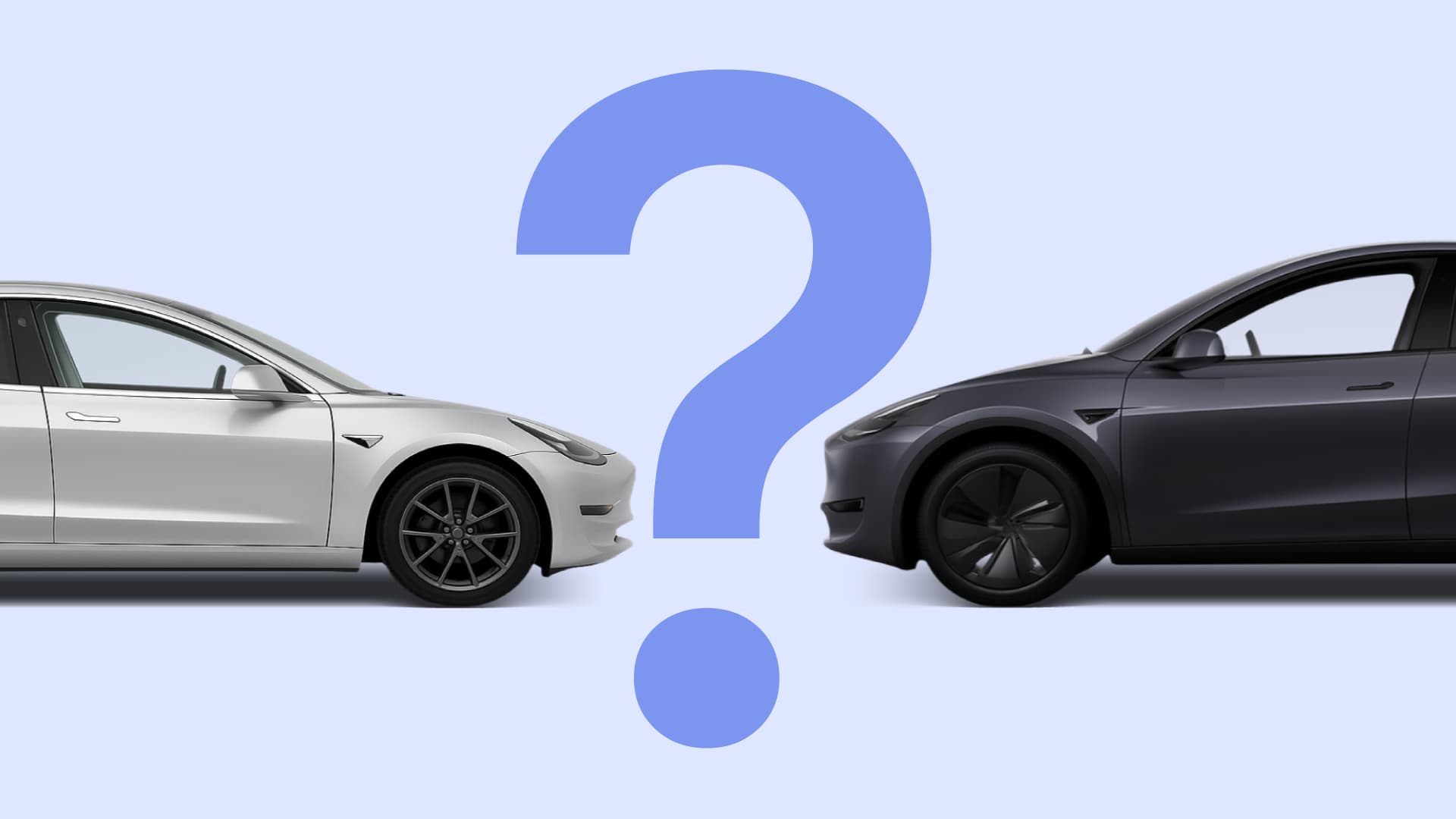
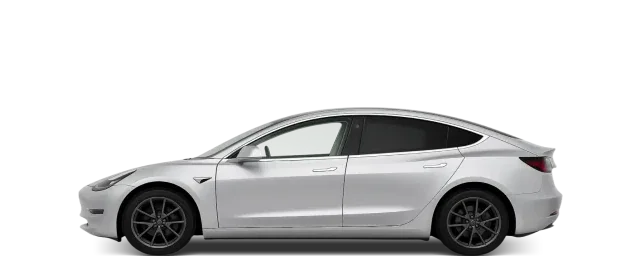
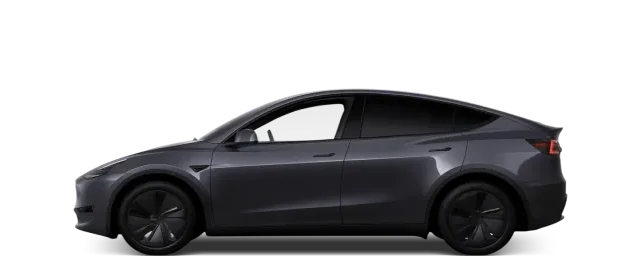
If you’re torn between the Tesla Model 3 (2017) and the Tesla Model Y (2020), the first thing to know is this: one’s a low, sleek sedan and the other’s a taller, roomier SUV. That alone changes how they fit your life — and your parking spaces.
The real deciding factors aren’t just horsepower or 0–60 times. It’s width, height, boot space, how stressful they are to park, and which body style actually works for the way you live.
On paper they’re close. In reality, the Y is bigger in the ways that matter, but not always where you expect. Here’s the clearest size comparison you’ll find anywhere, based entirely on real measurements.
See how they size up next to each other with our overlay tool.
1. Exterior width: the most important dimension for everyday life
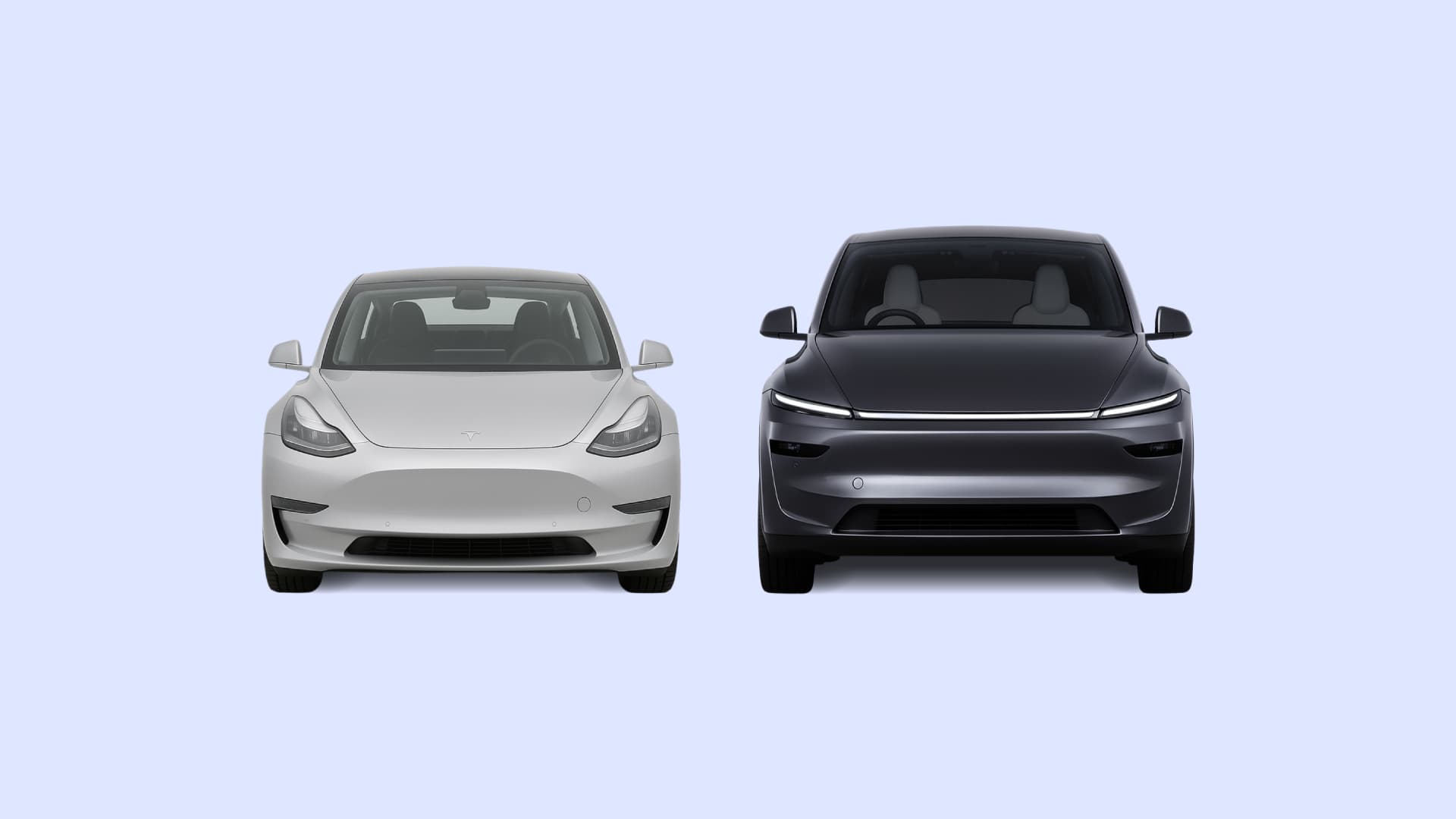
Width is the dimension that decides whether you glide into a space or clench your teeth in a multi-storey. Let’s compare both cars’ body width and width including mirrors.

Body width
- Model 3: 185 cm (72.8 in)
- Model Y: 192.1 cm (75.6 in)
Difference: Model Y is +7.1 cm (2.8 in) wider
Width including mirrors
Model 3: 208.8 cm (82.2 in)Model Y: 212.9 cm (83.8 in)
Difference: Model Y is +4.1 cm (1.6 in) wider
Takeaway:
The Model Y’s body width is 7.1 cm greater, and its width including mirrors is 4.1 cm greater. Both bodies fit within a typical UK-style 2.4 m (7.9 ft) parking bay, but that does not guarantee comfortable door-opening room.
- Using the Model 3’s body width: 55.0 cm (21.7 in) total spare bay width
- Using the Model Y’s body width: 47.9 cm (18.9 in) total spare bay width
- Using width including mirrors while manoeuvring: 31.2 cm (12.3 in) for Model 3 and 27.1 cm (10.7 in) for Model Y
Those totals are line clearance, not door-opening clearance. In either car, nearby vehicles or walls can still make getting out awkward; the Model 3 leaves slightly more room.
2. Height & cabin feel: the biggest difference you’ll notice
Height changes how a car feels the moment you get in. It affects the step-in, the sense of space, the visibility and how relaxed the cabin feels. Here’s how much taller the Model Y really is — and why it matters.
Height
- Model 3: 144.5 cm (56.9 in)
- Model Y: 162.4 cm (63.9 in)
Difference: The Model Y is +17.9 cm (7.0 in) higher
That extra height transforms daily life, giving you:
- Easier entry/exit
- An airier, more upright seating
- Better visibility in traffic and car parks
- A more family-friendly vehicle overall
The Model 3 feels lower and sleeker, sitting closer to the road in a way that feels more precise and controlled.
3. Boot space: a decisive win for the Model Y
Boot (trunk) volume determines how many of your belongings actually fit in your car. This is where the biggest gap between the two cars appears, and it has real consequences for families, hobbies and everyday practicality.
Boot capacity (seats up)
- Model 3: 561 L
- Model Y: 854 L
Difference: Model Y adds 293 L
Additional cargo figures
- Model 3: 88 L frunk
- Model Y: 2041 L seats down plus a 117 L frunk
This is the single biggest functional difference between the two. The Model Y’s cargo capacity is much larger — which makes it far more practical for mixed use. The Model 3 has decent space for a sedan, but it’s nowhere near as accommodating as the Model Y’s SUV-sized boot.
The extra volume in the Model Y means you can take bigger or bulkier items without planning ahead. You also get significantly more hidden storage under the boot floor thanks to the larger overall cargo volume — ideal for charging cables, muddy boots or valuables you don’t want on show.
It’s the difference between “it might fit if we shuffle things around” (Model 3) and “of course it fits, just throw it in” (Model Y).
4. Length, wheelbase & driveway fit
Length decides whether a car fits your driveway, parking space or home charger spot without sticking out.
Wheelbase affects stability and how “big” a car feels on the road. Let’s see how close the Model 3 and Model Y really are.
Length
- Model 3: 469.5 cm (184.8 in)
- Model Y: 475.1 cm (187.0 in)
Difference: +5.6 cm (2.2 in) for Model Y
Wheelbase
- Model 3: 287.5 cm (113.2 in)
- Model Y: 289 cm (113.8 in)
Difference: +1.5 cm (0.6 in) for Model Y
These two are extremely close. If a Model 3 fits your drive, allocated parking space or charging spot lengthways, the Model Y almost certainly will too.
5. Ground clearance
Ground clearance is your protection against scrapes, steep ramps and raised kerbs. The more, the better.
Ground clearance
- Model 3: 14 cm (5.5 in)
- Model Y: 17.2 cm (6.8 in)
Difference: +3.2 cm (1.3 in) for Model Y
Even the few extra centimetres for the Model Y make a big difference when dealing with speed bumps, multi-storey ramps, supermarket entrances and uneven driveways — the places where lower cars tend to catch.
6. Parking difficulty
Parking ease is a blend of size, visibility and how confident the car makes you feel at a low speed. These two Teslas park differently — not just because of width, but because of where you sit and what you can see.
The Model 3 is easier in tight spaces. It’s narrower with a tighter turning circle (11.6 m vs 12.1 m) which means it’ll be easier to turn and fit into smaller-spaced car parks.
The Model Y is easier in a different way. It has a higher driving position with much better visibility, it also feels calmer at low speeds, is more forgiving on kerbs and ramps, and despite being wider, often feels less stressful to park.
7. Garage fit
A garage fit check is the ultimate real-world test — and many garages are much tighter than the parking bays outside. Here’s how each Tesla fits (or doesn’t) in a typical UK-style single garage, which is one of the narrower benchmarks globally.
Typical single garage: 240–260 cm (94.5–102.4 in) wide, 480–520 cm (189–204.7 in) long.
Model 3
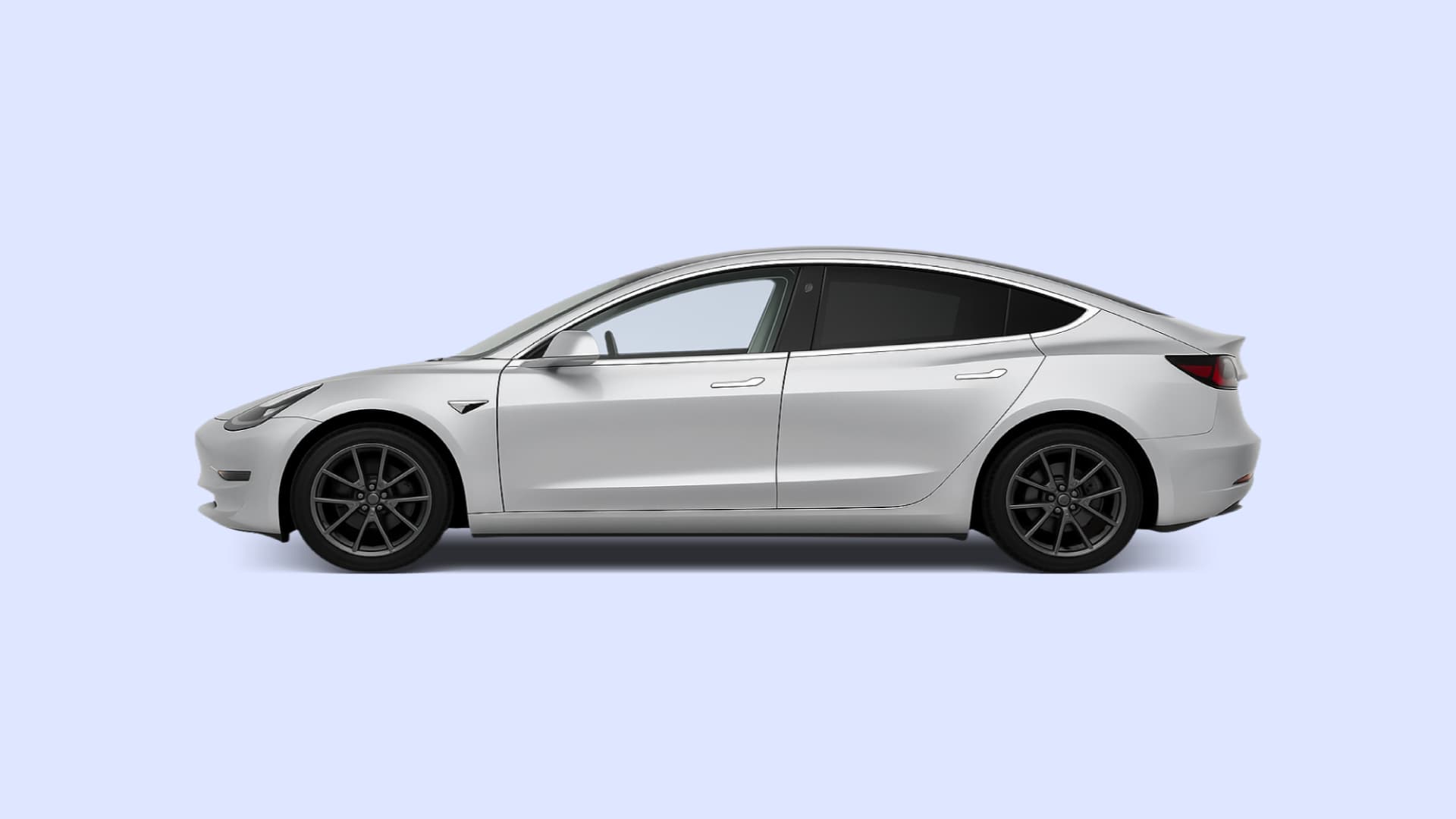
- Body width: 185 cm (72.8 in); width including mirrors: 208.8 cm (82.2 in)
- Length: 469.5 cm (184.8 in)
Conclusion: Fits — tight, but manageable.
Model Y
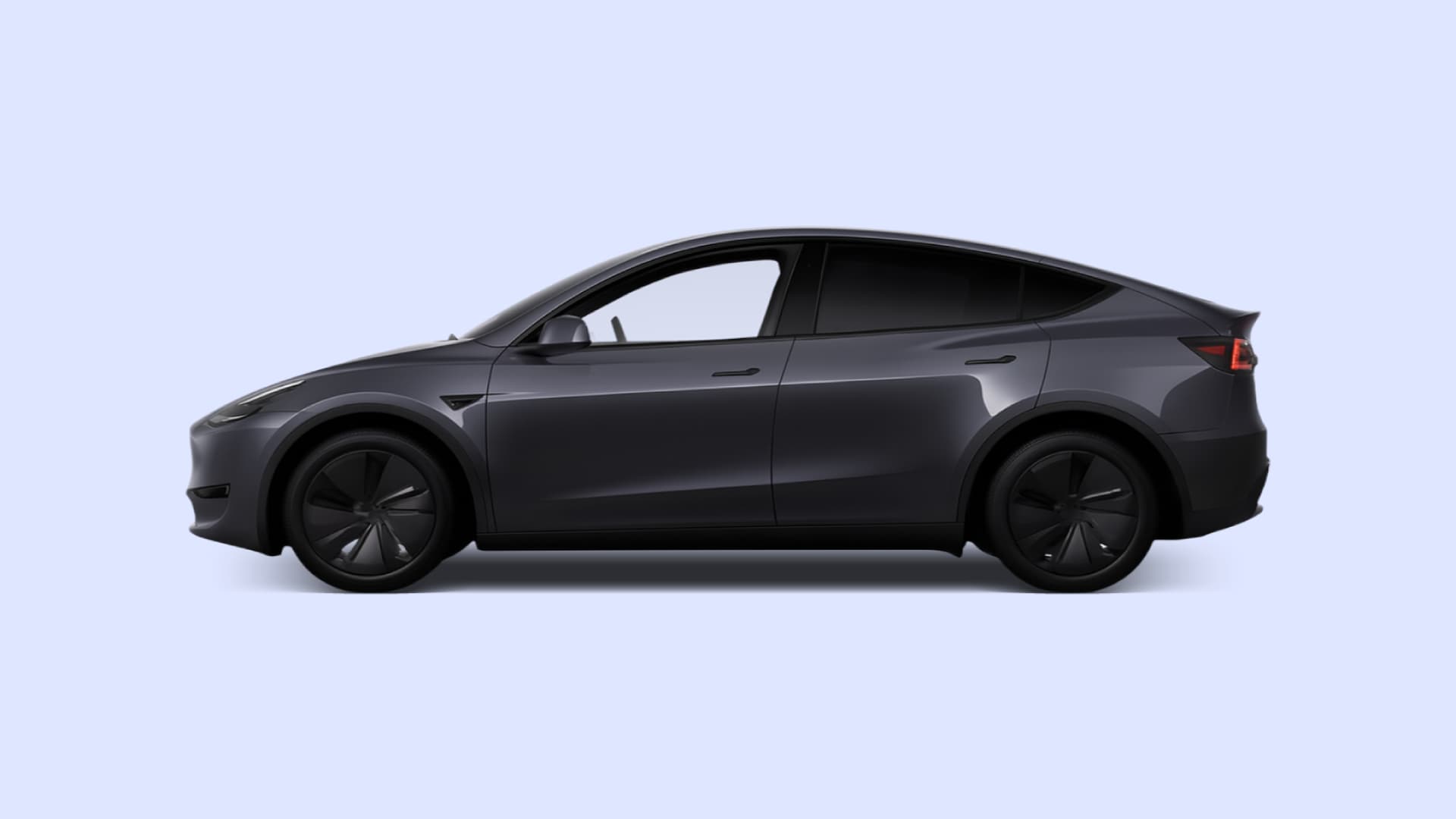
- Body width: 192.1 cm (75.6 in); width including mirrors: 212.9 cm (83.8 in)
- Length: 475.1 cm (187.0 in)
Conclusion: Usually fits, but the length margin is extremely tight for garages on the shorter 480 cm scale. Door-opening space is the real limiter here, so measuring your specific garage is essential.
8. Which one genuinely suits your life?
The Model 3 and Model Y aren’t just two sizes of the same car — they suit different lifestyles. The dimensions give you the numbers, but the real decision is how those numbers fit your routine, passengers, pets and plans.
This is where the sedan vs SUV difference becomes real.
Choose the Model 3 if you want a car that feels like… a car. It’s the sleeker, neater, more compact choice.
The Model 3 suits you if:
- you mainly drive solo or as a couple
- you want the one that’s easiest to fit into parking spaces
- you prefer a lower, sportier seating position
- you rarely carry bulky items
- you like a more connected, “driver’s car” feel
Choose the Model Y if you want the EV that just makes life easier. It’s the ultra-practical, family-ready SUV.
The Model Y suits you if:
- you carry people, pets, hobby gear or pushchairs
- You have the driveway or garage space to fit it
- you want a higher seating position and better visibility
- you want easy entry/exit
- you want your car to handle everything you throw at it
- you want SUV usefulness without SUV bulk
The real-life decision in one line
- Model 3 → The sleeker, neater, more car-like EV.
- Model Y → The EV that fits your life, stuff, family and future.
FAQs
Frequently asked questions
About the author
Automotive Dimensions Editor and Lead Writer
Laurence is the automotive dimensions editor and lead writer at DriveSize, which he has run with Ben since its launch in 2025. He covers vehicle dimensions, model comparisons, EVs and the practical differences between model years, body styles and powertrains. His writing focuses on explaining how measurements such as length, width, height, wheelbase and ground clearance work together. Laurence aims to help our readers understand what the figures show, how apparently similar cars can differ and which differences are likely to matter in everyday use.