
Hyundai models


About Hyundai
Hyundai Dimensions: Inside-Out Engineering
Hyundai’s current design philosophy is driven by an "inside-out" methodology. This approach prioritises interior volume and passenger comfort first, effectively expanding the cabin space before finalising the exterior silhouette. At DriveSize, we analyse how this shift (particularly in the transition to electric models like the Kona Electric) impacts the physical footprint and real-world utility of the Hyundai range.
The EV Advantage: Kona vs. Kona Electric
The Hyundai Kona is a prime example of how powertrain choice dictates internal geometry. While both the petrol and electric Hyundai versions share similar exterior styling, their internal metrics tell a different story.
Flat Floor Architecture: In the Kona Electric, the absence of a traditional transmission tunnel results in a completely flat rear floor. By looking at the wheelbase, we can see how Hyundai has pushed the wheels to the corners to maximise rear legroom, even when the length remains compact for city driving.
Dual Cargo Zones: Unlike the standard ICE version, the Kona utilises its front bay for a "frunk." When combined with the Minimum VDA cargo capacity, this provides a modular storage advantage for families who need to separate charging cables from groceries.
Scaling Up: Santa Fe vs. Palisade
For larger families, the distinction between Hyundai’s mid-size and full-size SUVs comes down to the relationship between the width and seating configuration.
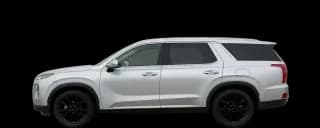
Maximum Volume: The Hyundai Palisade represents the brand's largest footprint, offering a significantly longer wheelbase than the Santa Fe. This extra length is dedicated to a genuine third row and a larger cargo capacity when all seats are in place.
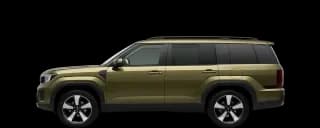
Vertical Presence: We list the height and ground clearance to help you visualise the "step-in" height. The rugged, boxy redesign of the latest Santa Fe prioritises a high roofline, maximising the vertical loading space for bulky adventure gear.
Maneuverability: Despite their size, both models are engineered with an optimized minimum turning circle. This data is vital for drivers moving from a hatchback to a large SUV, ensuring the vehicle remains manageable in suburban environments.
Whether you are comparing the agile footprint of the Kona or the expansive dimensions of the Palisade, our database provides the exact measurements.