
Tesla models
DriveSize currently covers 9 Tesla vehicle versions across 6 model families, with model years ranging from 2008 to 2024.
About Tesla
Tesla: from Roadster start-up to a broader electric range
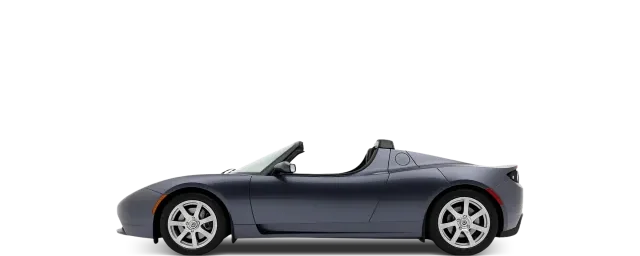
Tesla was incorporated in 2003 with a focus on battery-electric vehicles and the systems needed to support them. Its first production car, the Roadster, reached customers in 2008. Choosing a sports car as the starting point gave the young company a distinctive introduction: electric propulsion was presented as the basis for a desirable road car, not simply an experimental alternative.
From Roadster to Model S
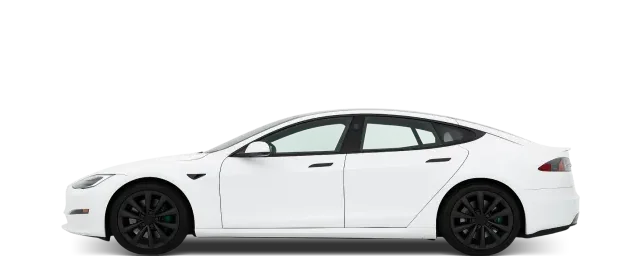
The business changed quickly around that first model. Tesla opened its first store in 2008, acquired its Fremont, California, factory in 2010 and ended original Roadster production in 2012. The Model S then moved Tesla into the executive-car market and established the clean-sheet saloon that would anchor the brand’s next phase.
Building an electric range
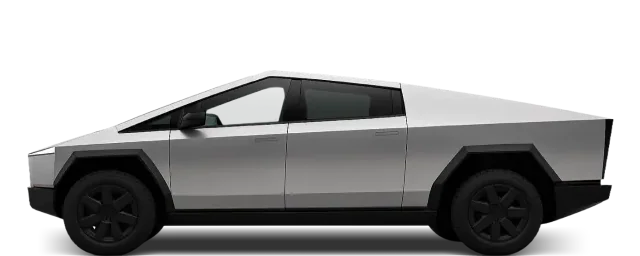
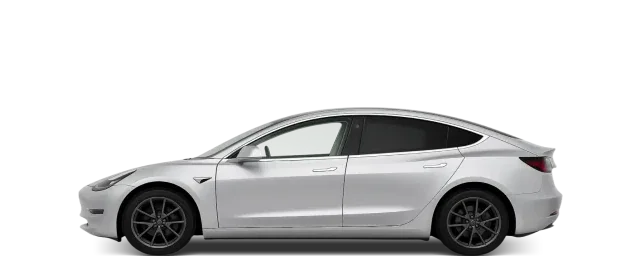
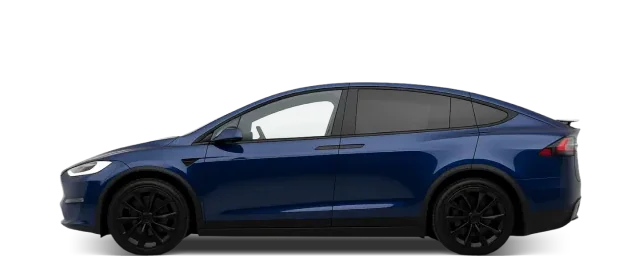
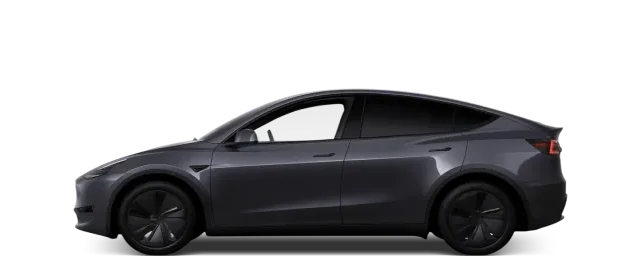
The range broadened in a deliberate sequence. Model X applied the same all-electric approach to a large SUV; Model 3 pursued a more accessible saloon; and Model Y carried that formula into the crossover market. Cybertruck later took Tesla into pickups with a design language far removed from its earlier cars. This progression also connected vehicle development with charging, battery storage and energy generation.
That integration is central to Tesla’s identity. The company has treated the car, its software, the charging network and the wider energy system as related parts of the customer proposition. It has also retained direct sales and a deliberately compact naming system, so the differences among its core models are expressed mainly through body style, role and generation rather than a large hierarchy of sub-brands.
Tesla on DriveSize
DriveSize follows that evolution through identified historical cars, beginning with the 2008 Roadster and continuing through the 2013 Model S, 2017 Model 3, 2020 Model Y and 2024 Cybertruck. The Tesla range guide brings those eras together without treating an older model-year record as a description of the current showroom car.