
Tesla Model Y Dimensions & Boot Space: Will It Fit a UK Driveway, Garage or Parking Bay?
See how the Tesla Model Y fits UK driveways, garages and parking bays. Full dimensions, width, and boot space explained in real-world terms by Drivesize.
Published • Updated • Written by Laurence
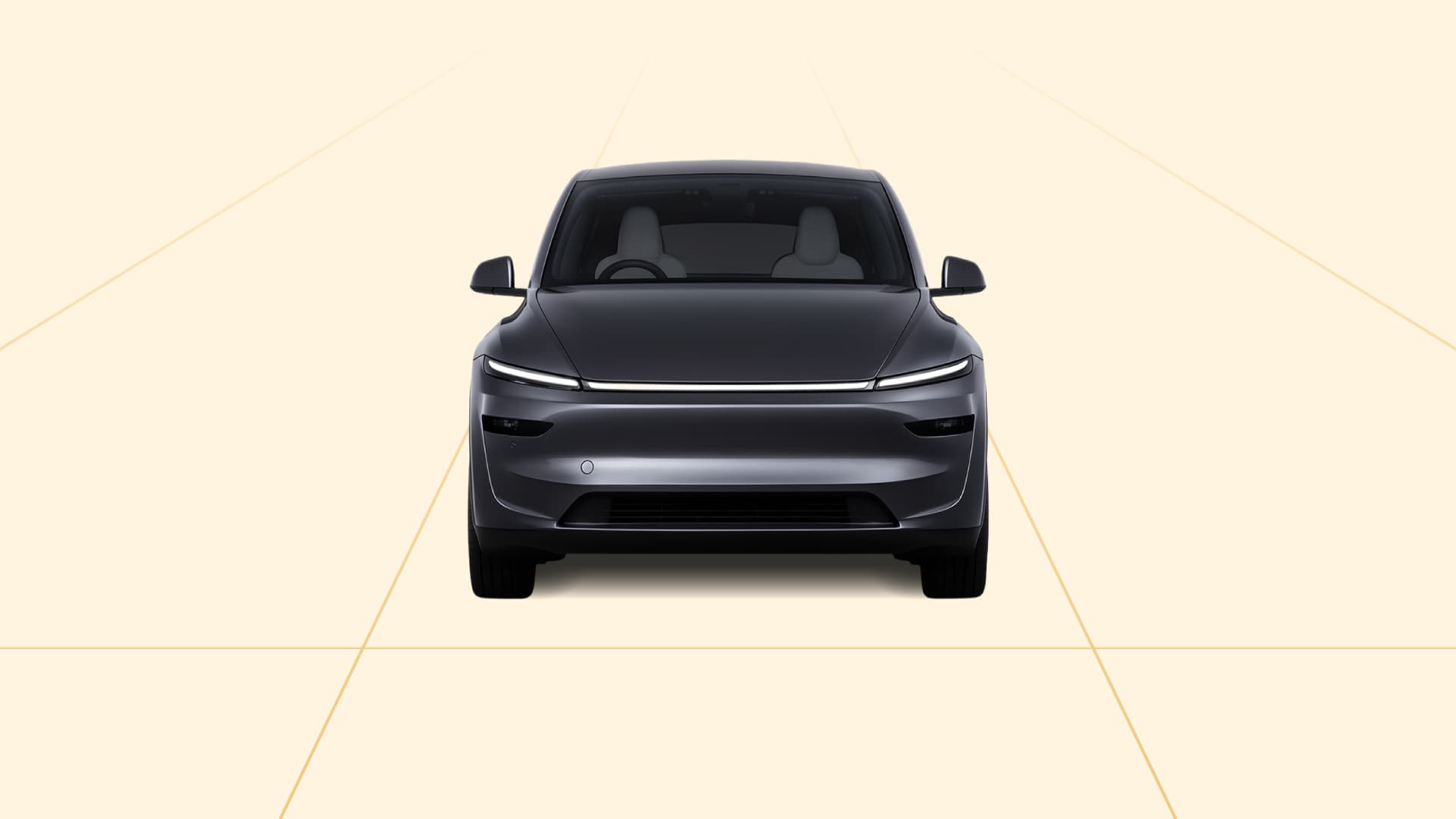
Big car, small island: the size story behind the UK’s favourite electric SUV
In 2024 the Tesla Model Y became the UK’s best-selling electric car for the third consecutive year, outselling other EVs by almost double.
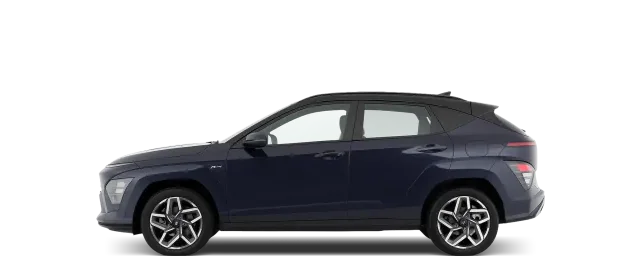
But while the Model Y looks sleek in photos, they don’t always show just how much space it takes up in real life. Park it between a Volkswagen Golf and a Hyundai Kona, and it suddenly looks huge, and if you’ve got a tight driveway or a garage built when cars were slimmer (check out our article on Autobesity), you might be wondering: will it actually fit?
Let’s look at the official figures, match them against real-world UK parking and garage sizes, and find out whether the Model Y’s footprint is a deal-breaker or just part of its confident stance.
Will it fit a UK driveway or garage?
A typical UK driveway is about 4.8–5.0 m long and 2.4 m wide.
A single garage is usually 5.0–5.2 m long, 2.3–2.4 m wide, and has a 2.0 m-wide door opening.
That means that length-wise, the Model Y has roughly 5–45 cm to spare, depending on the driveway or garage. Width-wise, it’s tight. Its body width is 1.921 m and its width including mirrors is 2.129 m. That makes a 2.0 m garage-door opening a measure-before-you-buy situation, and door-opening room inside matters too.
And remember, that’s just the car. Once you open the wide, frameless doors, you’ll need another 25–30 cm per side to step out without scuffing against a wall.
Will it fit in a UK parking space?
Standard UK parking bays measure 2.4 m wide × 4.8 m long — almost exactly the Model Y’s footprint.
- Length: fits neatly, with a few centimetres to spare at the bumper.
- Width including mirrors: 2.129 m leaves about 13.6 cm clearance either side while manoeuvring. Once parked, the 1.921 m body width leaves about 24 cm per side within the bay lines, before allowing for door opening.
That doesn’t leave much door-opening room if another car parks close, so you’ll appreciate Tesla’s flush handles and frameless windows.
With a 12.1 m turning circle, the Model Y doesn’t exactly pirouette, it’s about average for a mid-size SUV, but quick steering and excellent visibility make tight car parks less stressful than you’d expect.
Boot space & practicality
This is where the Model Y really earns its keep.
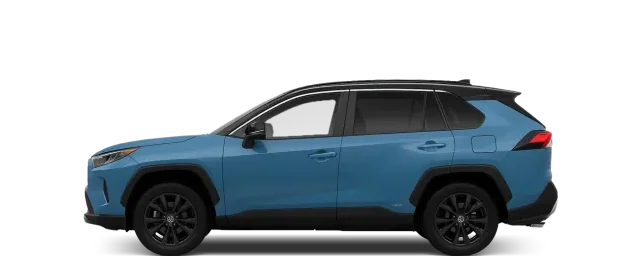
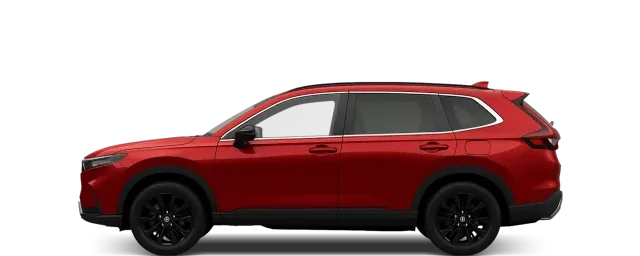
The Model Y publishes 854 L (seats up) under SAE/EPA. For reference, the Toyota RAV4 publishes 580 L VDA and the Honda CR-V Hybrid 587 L VDA, but those VDA figures use a different measurement method and are not a direct like-for-like comparison.
2,041 L (seats folded): estate-car territory.
Plus an extra 117 L front boot (frunk) that easily swallows charging cables, muddy boots or a couple of grocery bags.
Think of it as an electric family SUV with the luggage space of a Volvo estate.
Everyday usability: width, height & ground clearance
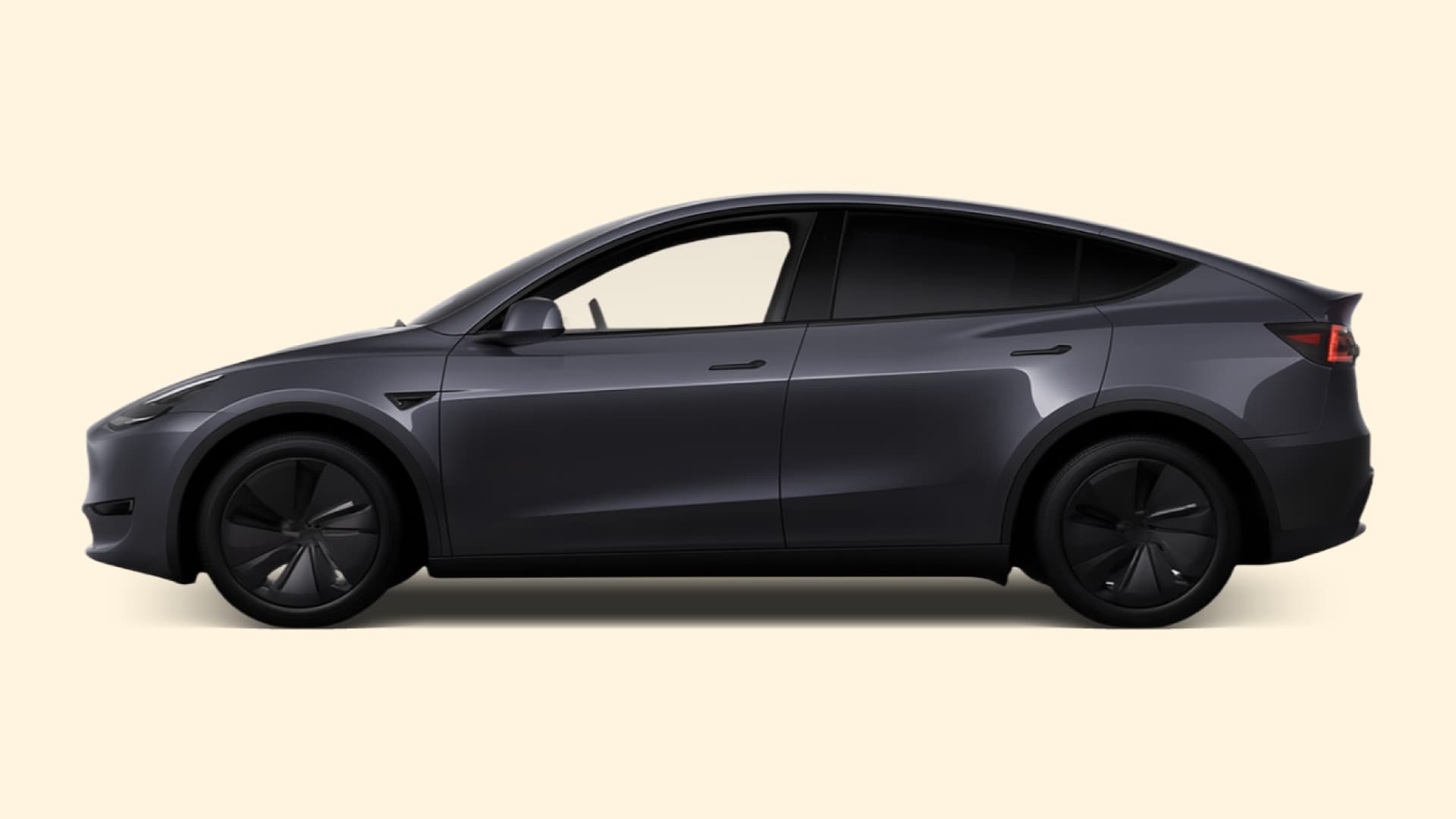
At 1.62 m tall, it’s lower than most SUVs, so you step into the car rather than climb up.
Its 17.2 cm ground clearance is more than enough for steep driveways or speed bumps, and that low centre of gravity keeps it stable on twisty roads.
It’s not built for off-roading, but it’ll handle kerbs, gravel drives and ferry ramps without fuss.
Verdict — will it fit your life?
The Tesla Model Y isn’t small, but it’s not unmanageable either. It’ll fit comfortably on most modern driveways, but a typical UK garage needs careful measuring around the entrance and door-opening space.
What you get in return is serious space inside: huge boot capacity, clever storage, and that signature glass-roof airiness that makes it feel even bigger on the inside.
If your parking setup is tight or your street’s full of kerbs and terraces, plan on taking things carefully. But if you’ve got a standard drive or off-street spot, it’ll fit your life — and carry a lot of it inside.
FAQs
Frequently asked questions
About the author
Automotive Dimensions Editor and Lead Writer
Laurence is the automotive dimensions editor and lead writer at DriveSize, which he has run with Ben since its launch in 2025. He covers vehicle dimensions, model comparisons, EVs and the practical differences between model years, body styles and powertrains. His writing focuses on explaining how measurements such as length, width, height, wheelbase and ground clearance work together. Laurence aims to help our readers understand what the figures show, how apparently similar cars can differ and which differences are likely to matter in everyday use.