
Car width explained: Body width, width with mirrors folded & width including mirrors (with real examples)
Car width made simple: body width, width with mirrors folded and width including mirrors, with real examples from the Model Y, CR-V, Puma, Cybertruck and more.
Published • Updated • Written by Laurence
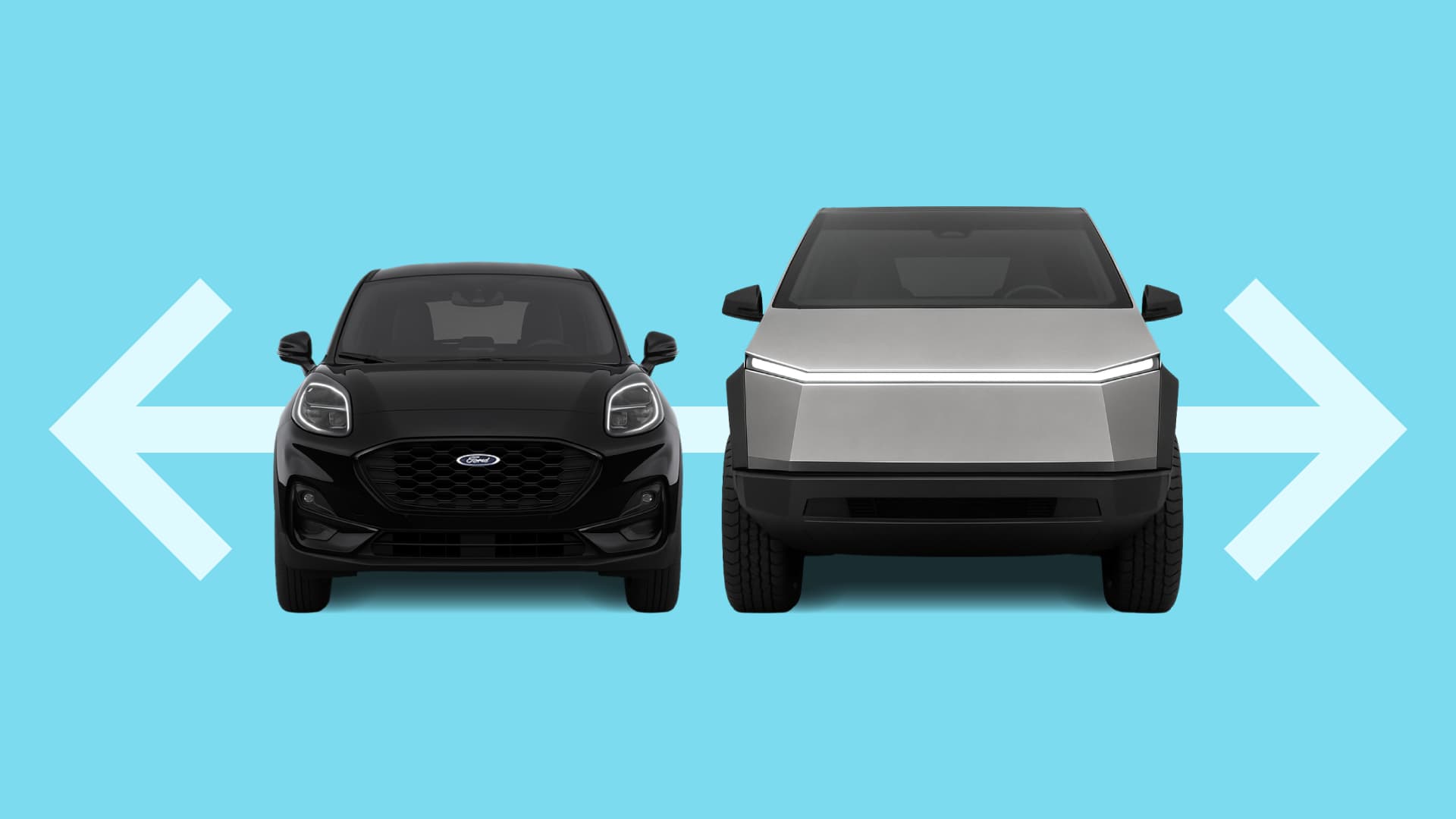
Car width sounds simple, and you might be wondering why we’ve written an entire guide on it, but it’s one of the most misunderstood (and most poorly explained) car dimensions. Manufacturers often list only body width, which looks tidy on a brochure, but is almost useless when parking, squeezing past traffic, or checking if a car will actually fit in your garage.
To get a real idea of the cars size, you need to consider three widths:
- Body width
- Width with mirrors folded
- Width including mirrors
Get them wrong, and you could scrape a mirror, fail to fit through a gate, or discover your new car doesn't actually clear your garage opening.
This guide breaks down all three widths in plain English, featuring the Tesla Model Y (2020), Cybertruck (2024), Honda CR-V (2023) and Ford Puma (2024) to show what each number actually means for that car, and so you know how to apply it to yours.
Let’s decode car width properly, starting with the version every manufacturer puts on the spec sheet.
1) Body width — the clean number you see on brochures
Body width measures the car’s body and excludes the mirrors. Manufacturers use it because it makes the car sound slimmer than it really is.
What body width is useful for
- Comparing the general size or shape of two cars
- Getting an idea of cabin room
- Understanding how “chunky” a car looks head-on
What body width won’t tell you
- Whether it fits in your garage
- Whether you’ll scrape the mirrors in narrow streets
- Whether you’ll have room to open the doors in a tight parking bay
Here’s some examples of varying-width cars:
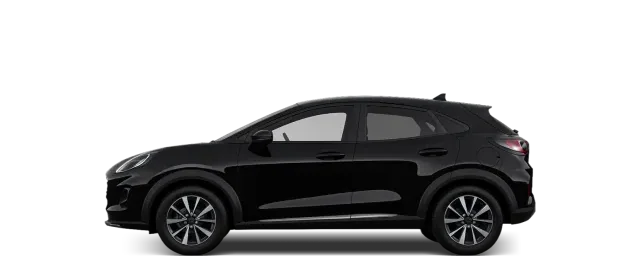
- Compact body width: Ford Puma: 180.5 cm (71.1 in)
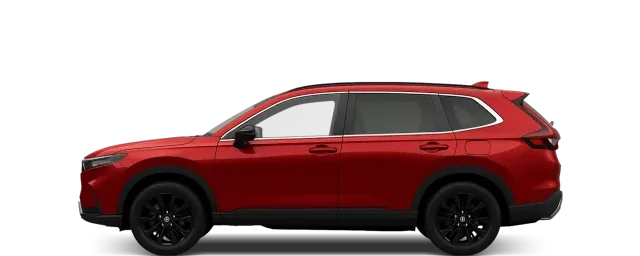
- Mid-sized family SUV: Honda CR-V: 186.7 cm (73.5 in)
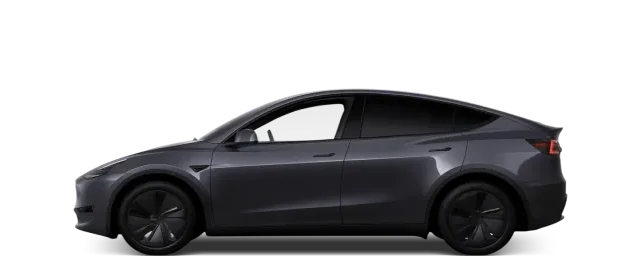
- Fairly wide: Tesla Model Y: 192.1 cm (75.6 in)
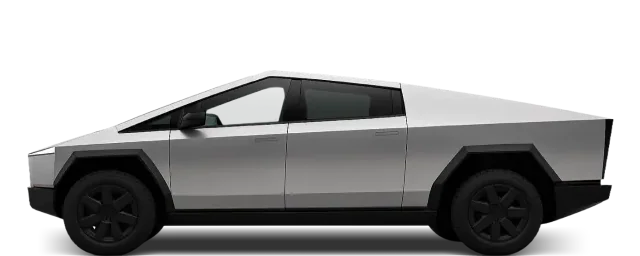
- Massive: Tesla Cybertruck: 203.2 cm (80.0 in)
These numbers don’t look dramatically different — only 20–25 cm (8–10 in) from smallest to largest. But if you look at the Puma head on with the Cybertruck (click ‘Front view’), you’ll see what a difference those cm’s make.
However, body width isn’t what determines how a car behaves in the real world. The real differences appear when you add the mirrors.
2) Width with mirrors folded — the number that saves your paintwork
Width with mirrors folded measures the car with its mirrors folded in. For many people, it’s the single most important width a car has. It’s the measurement you use in every tight moment, think tight apartment parking, supermarket spaces with two large SUVs beside you and older garages.
Here are two examples of how much width folded mirrors can add:
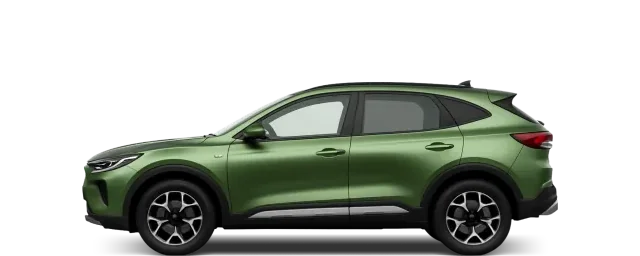
- Big difference: The Ford Escape / Kuga. 188.2 cm → 200 cm, adding 11.8 cm (4.6 in) to the width.
- Another example: the Honda CR-V PHEV has a body width of 186.6 cm (73.5 in), while its width with mirrors folded is 194.2 cm (76.5 in), an increase of 7.6 cm (3.0 in).
You’ll use width with mirrors folded when you’re parking or parked up, not driving.
3) Width including mirrors — the measurement you actually feel when driving
Width including mirrors is the car's true width on the road. This is the number that decides how confident you feel when you pass a cyclist, squeeze down a narrow lane, or try not to skim a wall.
Width including mirrors is the widest number your car has. The examples below show how much mirrors can add to a car’s body width.
Small car, small wingspan: Ford Puma
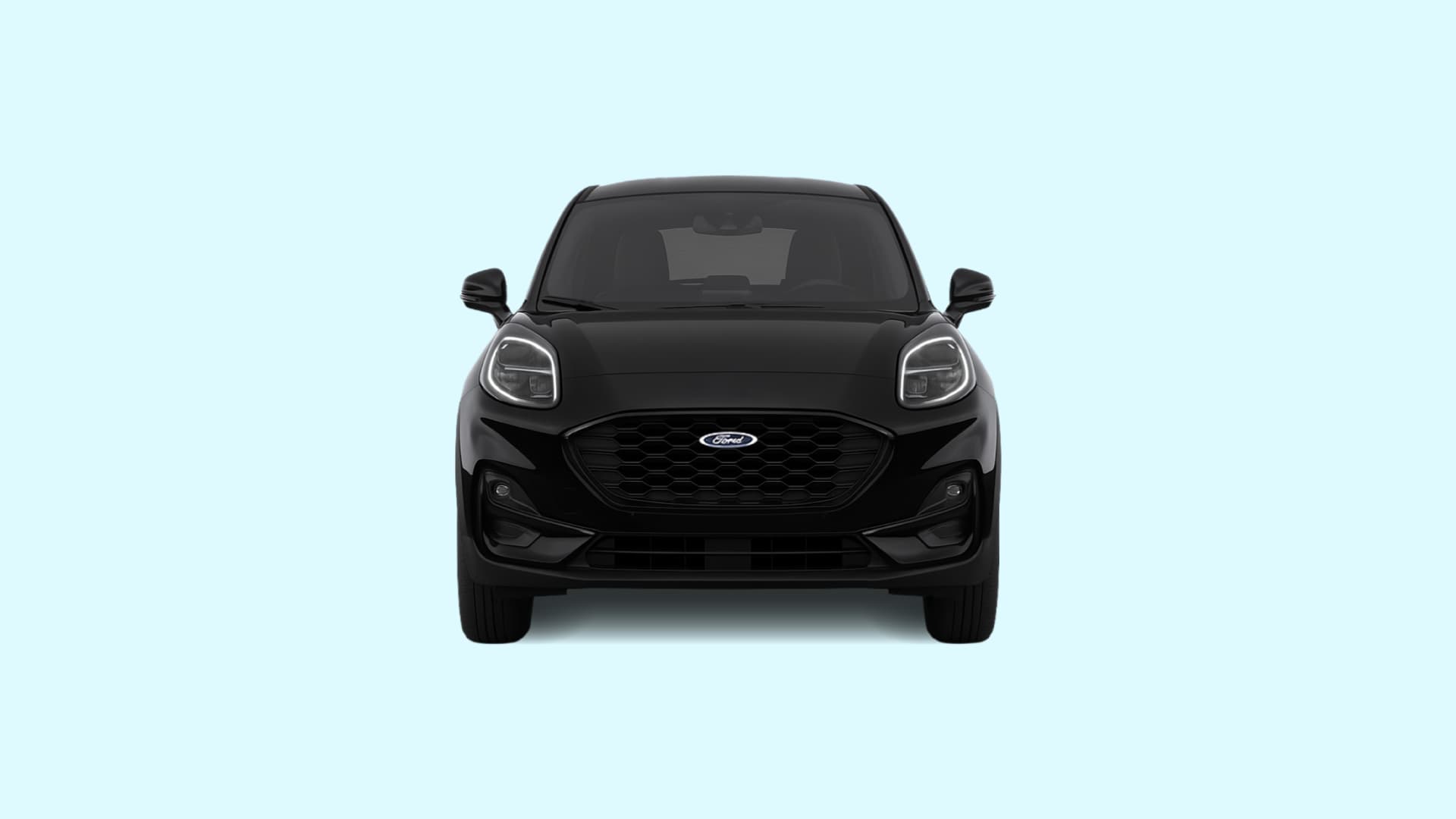
- Body width: 180.5 cm (71.1 in)
- Width including mirrors: 193 cm (75.9 in)
- Increase from body width to width including mirrors: +12.5 cm (5 in)
The Puma’s mirrors add 12.5 cm (5 in) to its body width, or about 2.5 inches on each side. Its width including mirrors remains manageable for narrow streets.
Medium SUV, big jump: Honda CR-V (PHEV)
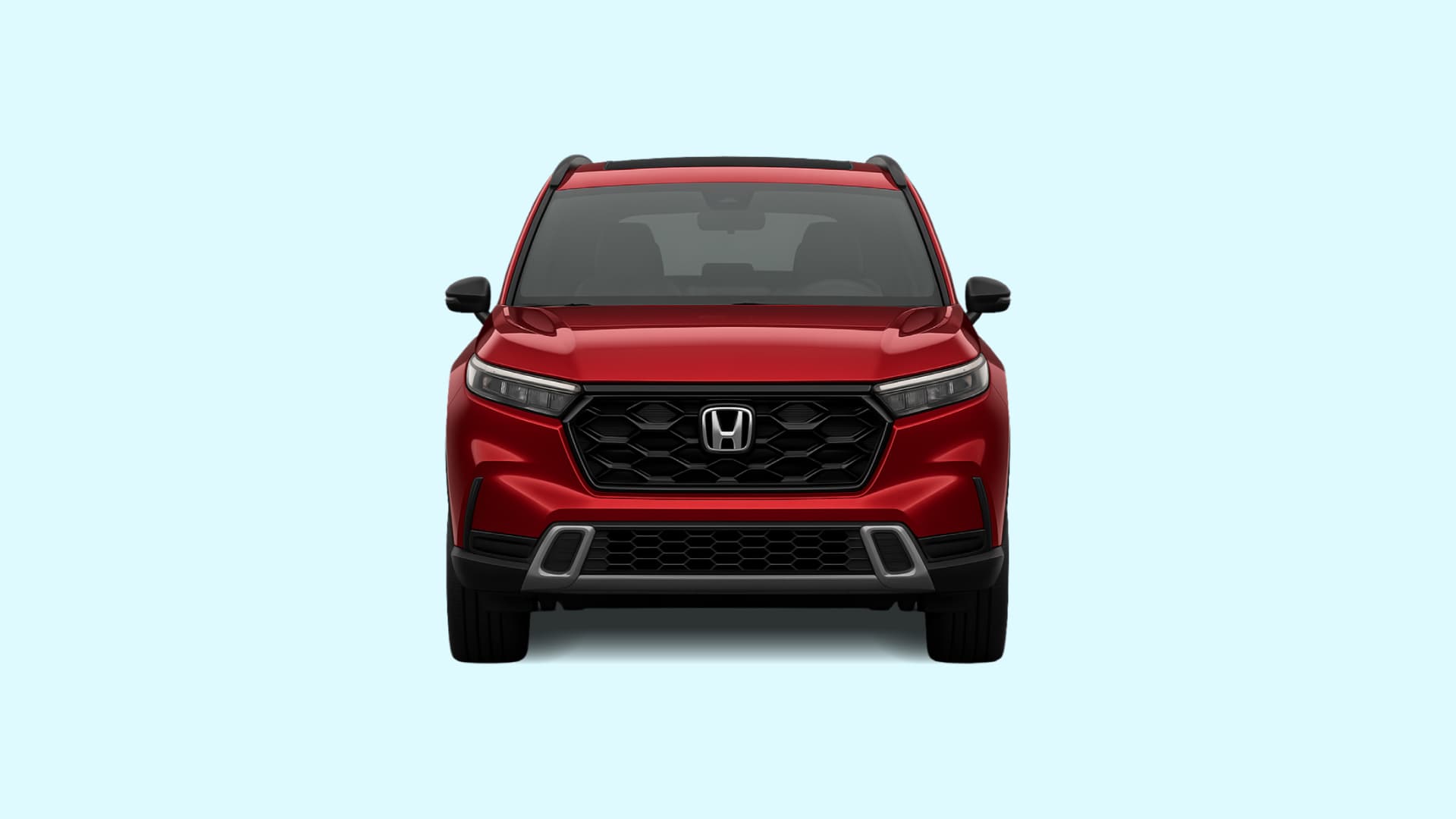
- Body width: 186.6 cm (73.5 in)
- Width with mirrors folded: 194.2 cm (76.5 in)
- Width including mirrors: 215.3 cm (84.8 in)
- Increase from body width to width including mirrors: +28.7 cm (11.3 in)
The CR-V is the perfect example of a car that looks reasonably slim on paper, but becomes much wider once you add the mirrors. That +28.7 cm jump means the car grows by more than 5.5 inches per side, which is why it can suddenly feel wide in European multi-storey car parks or older residential streets.
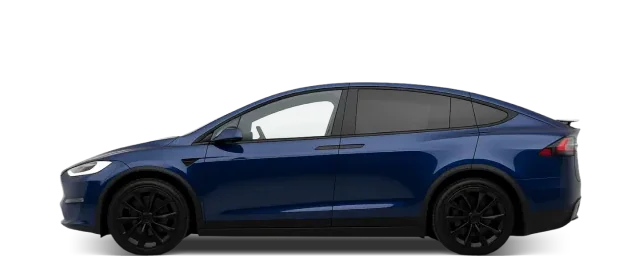
Big SUV doing big-SUV things: Tesla Model X
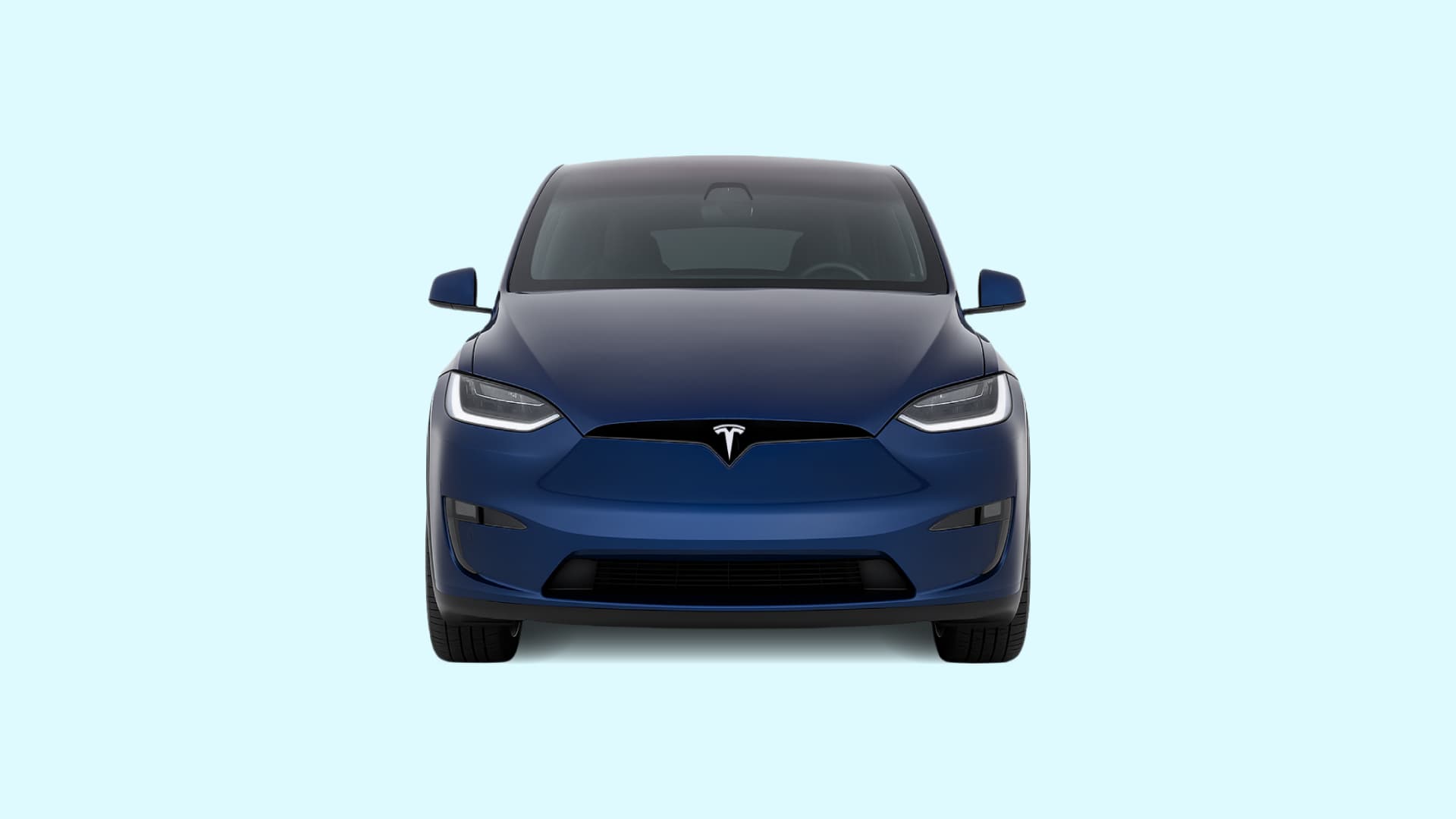
- Body width: 199.9 cm (78.7 in)
- Width including mirrors: 227.1 cm (89.4 in)
- Increase from body width to width including mirrors: +27.2 cm (10.7 in)
The Model X already starts wide, but the mirrors push it into “this actually feels huge” territory. Its width including mirrors is among the greatest for passenger vehicles on sale. You’ll be very aware of its width when driving the Model X, especially when you’re passing parked cars or cycling lanes.
The absurd example: Tesla Cybertruck
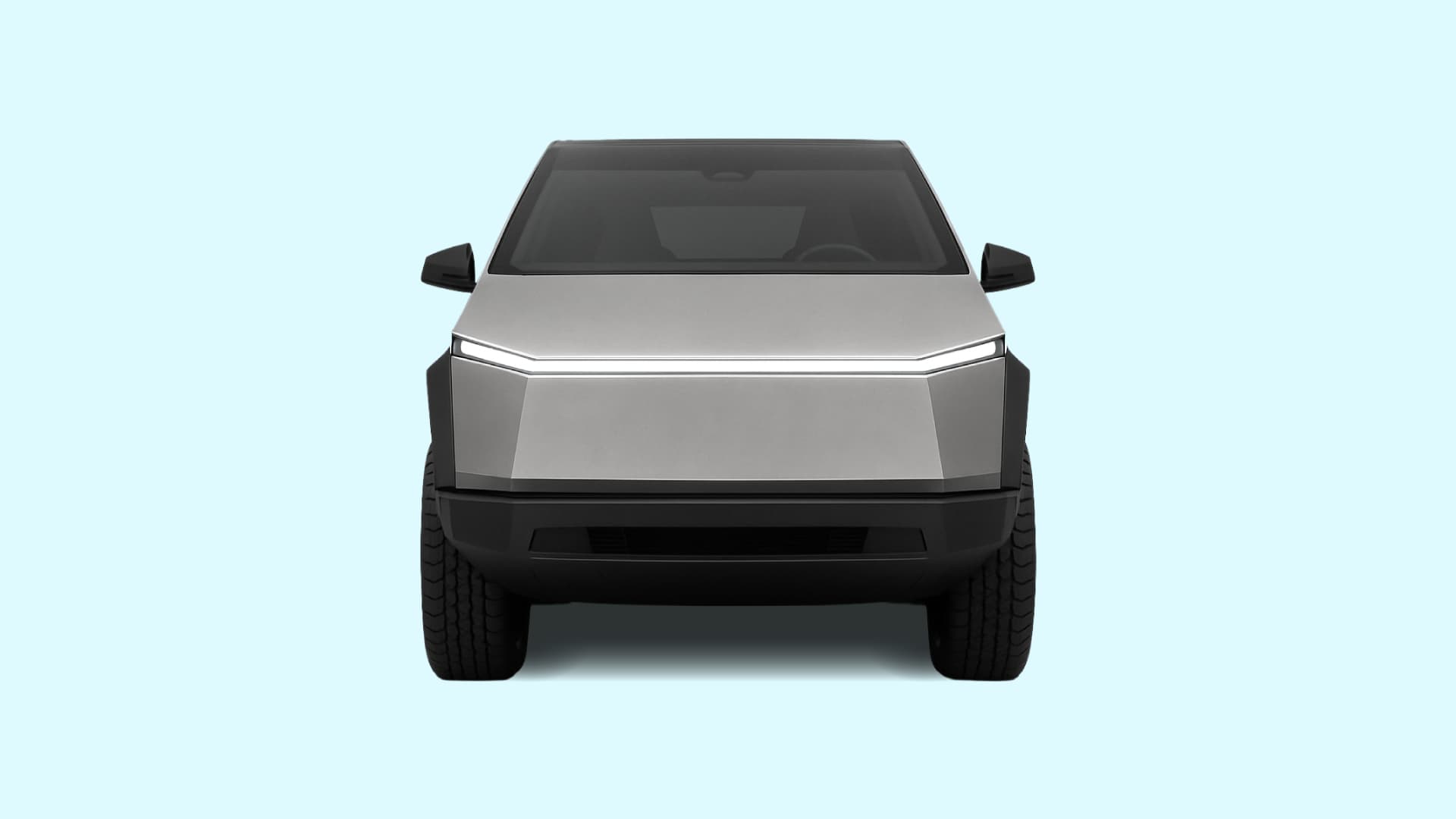
- Body width: 203.2 cm (80.0 in)
- Width including mirrors: 241.3 cm (95.0 in)
- Increase from body width to width including mirrors: +38.1 cm (15 in)
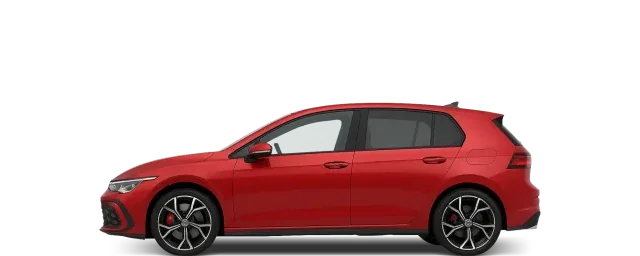
The mirrors add a full 7.5 inches per side, taking the truck to 241.3 cm (95.0 in) across and making it wider than many global parking bays. Compare its width including mirrors with the VW Golf in Front view.
The Cybertruck is the clearest example of why body width is misleading:
- On a spec sheet, 203.2 cm (80.0 in) seems big but plausible.
- On the road, 241 cm (95.0 in) feels like a different category of vehicle entirely.
Which Width Matters When? (Cheat Sheet)
Now that you’ve seen how different each width can be, here’s how to use them:
Body width
Use it for understanding the visual footprint of a car. Good for comparisons. Not good for knowing if it’ll fit into your garage.
Width with mirrors folded
This is the measurement you’ll use when parking or squeezing through tight spaces. It tells you whether your car will fit through a gated entrance, a driveway lined with walls or hedges, or your garage.
It’s the “I really don’t want to scrape anything” width.
Width including mirrors
This is your actual driving width — the one that affects confidence on narrow roads, passing cyclists safely and squeezing past parked cars.
Most test drives don’t show you this, as they’ll take you on big, open roads. Living with the car does, so remember to take it into consideration.
Final Takeaway — The Width Number That Really Matters
If you remember one thing from this guide, make it this:
- Body width tells you what the car looks like.
- Width with mirrors folded tells you where the car will fit when parking.
- Width including mirrors tells you how big the car will feel while driving.
Manufacturers rarely highlight those differences, which is why so many new-car buyers end up surprised, especially with modern SUVs and pickups that have grown wider with every generation.
But once you understand all three widths, choosing the right car to suit your routine becomes simple. Width is the one measurement that can make a car feel friendly or intimidating, stress-free or stressful.
FAQs
Frequently asked questions
About the author
Automotive Dimensions Editor and Lead Writer
Laurence is the automotive dimensions editor and lead writer at DriveSize, which he has run with Ben since its launch in 2025. He covers vehicle dimensions, model comparisons, EVs and the practical differences between model years, body styles and powertrains. His writing focuses on explaining how measurements such as length, width, height, wheelbase and ground clearance work together. Laurence aims to help our readers understand what the figures show, how apparently similar cars can differ and which differences are likely to matter in everyday use.