
2021 Tesla Model X dimensions and size guide
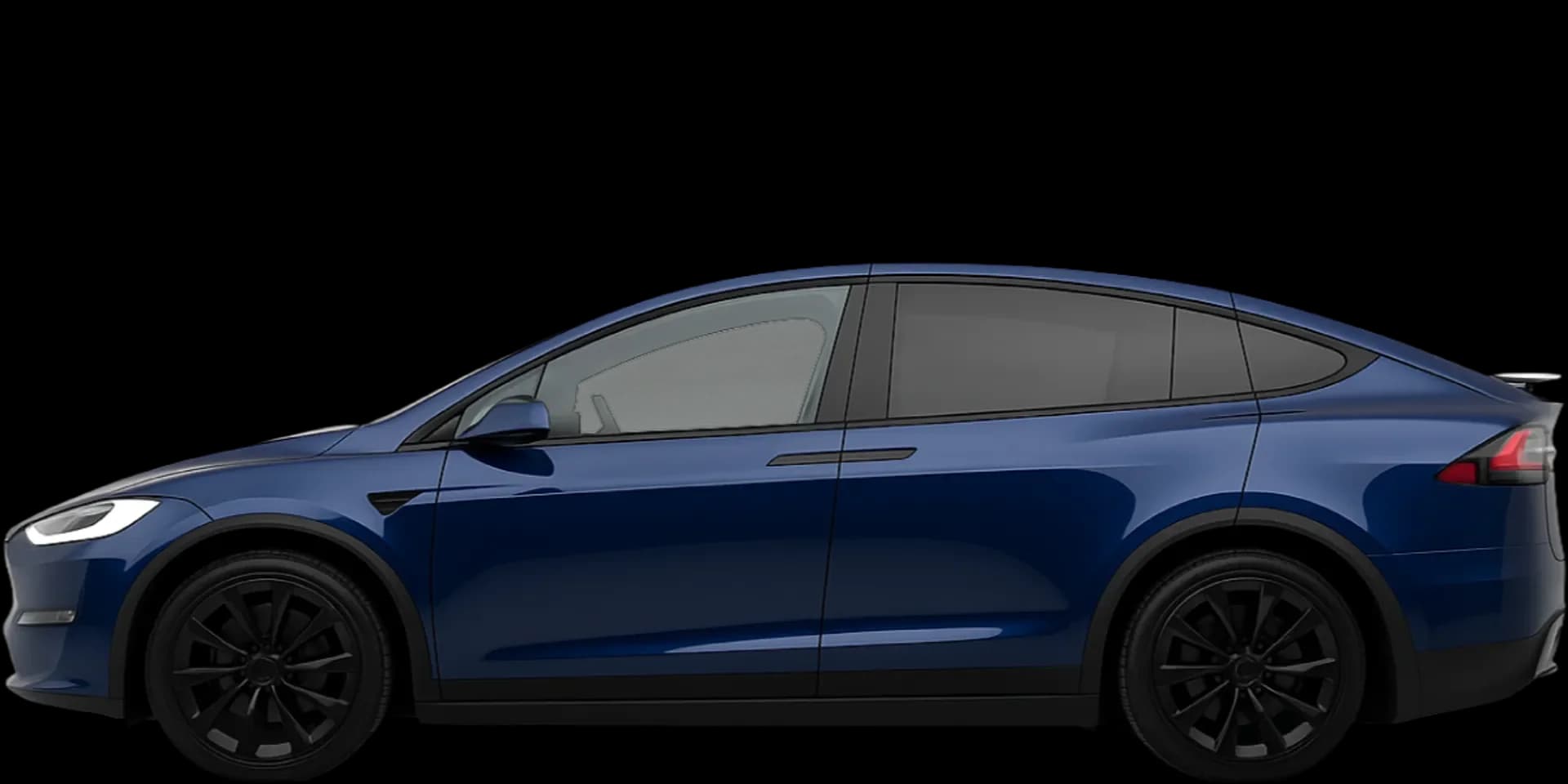
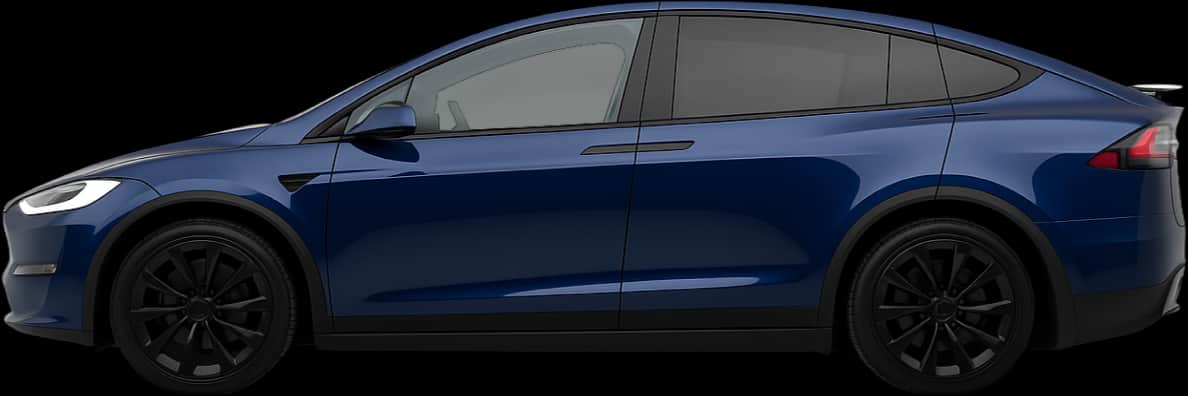
2021 Tesla Model X
 Add comparison
Exterior dimensions
2021 Tesla Model X exterior dimensions
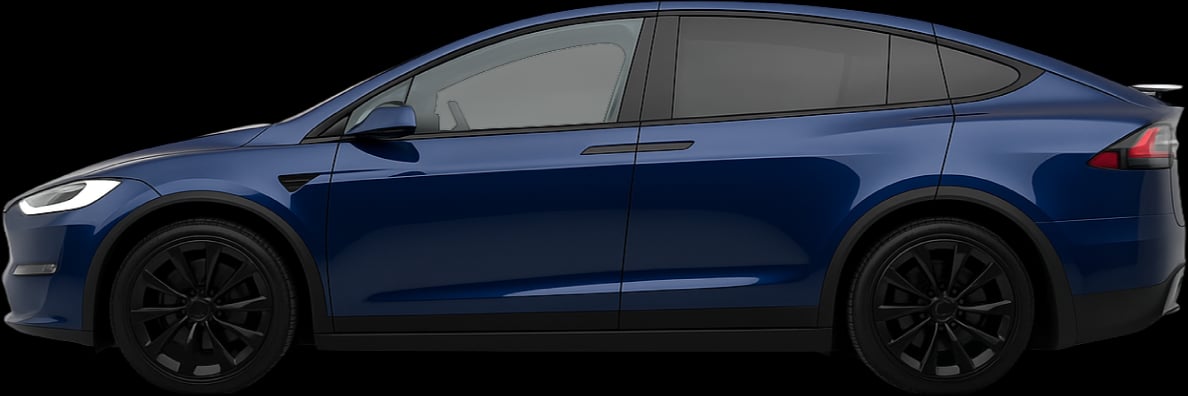
2021 Tesla Model X is large by crossover standards. Its biggest departure from the average crossover is its 505.7cm length, which is around 53cm, or 12%, greater than the class norm. The 199.9cm body width is 15cm, or 8%, wider, increasing to approximately 21cm, or 10%, in width including mirrors. Short or narrow parking spaces are therefore likely to expose its size quickly. Its 168cm height is around 5cm, or 3%, above average, while the 296.5cm wheelbase is approximately 24cm, or 9%, longer. Overall, its length and width create a footprint of about 10.1m², roughly 1.7m², or 20%, larger than that of the average crossover.
Measurements
Length
505.7 cm
Body width
199.9 cm
Width including mirrors
227.1 cm
Height
168 cm
Wheelbase
296.5 cm
Ground clearance
14.6 cm
Footprint
DriveSize footprint is overall length multiplied by body width.
10.1 m²
How the 2021 Tesla Model X's exterior dimensions compare with the average Crossover
Length
53.1 cm longer than the average Crossover
Body width
15 cm wider than the average Crossover
Width including mirrors
20.7 cm wider than the average Crossover
Height
5.2 cm taller than the average Crossover
Wheelbase
24.1 cm longer wheelbase than the average Crossover
Ground clearance
3.5 cm less ground clearance than the average Crossover
DriveSize footprint
DriveSize footprint compares this car's footprint with the average footprint for the same class.
A positive percentage means a larger footprint and a negative percentage means a smaller footprint. About average means the rounded difference is 0%.
+20%
Larger footprint than the average Crossover
Fast facts
Fast facts
Everyday SAE cargo space is 50% above average
With all five seats occupied, the Model X provides 1,111 litres of cargo capacity, around 372 litres more than the average crossover for shopping, luggage or other regular loads.
Its cargo efficiency is 20% above average
Combining the seats-up and maximum figures, the Model X provides about 157 litres per square metre of ground space, around 20% more than the crossover norm.
Only half of the regional spaces physically fit it
Four of the eight standard parking spaces tested by DriveSize can contain the Model X, while only USA/Canada provides comfortable surrounding room.
It is 43% heavier than average
The Model X weighs 2,337kg, approximately 705kg more than the typical crossover.
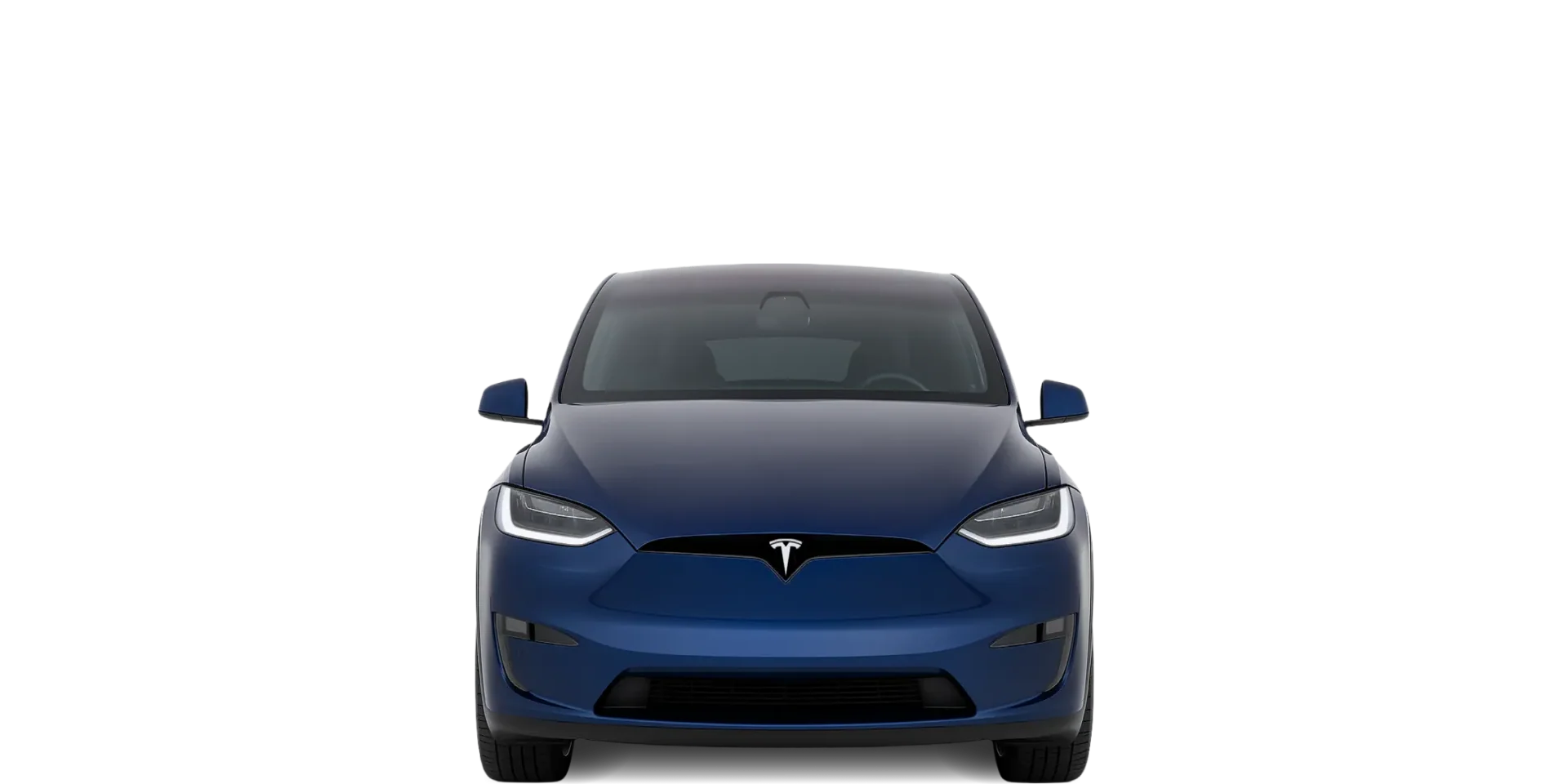
2021 Tesla Model X front view
Cargo space & efficiency
2021 Tesla Model X cargo capacity and space efficiency
When all five seats are in use, the Model X provides 1,111 litres of published SAE cargo capacity. That is around 372 litres, or 50%, above the crossover average, giving it substantial extra room for family luggage, shopping or other everyday loads without folding the back seats. Maximum SAE capacity reaches 2,471 litres, approximately 600 litres, or 32%, above average, while a separate 183-litre front boot (frunk) provides another storage area. This gives the Model X an advantage for both everyday use and larger loads. Combining its seats-up and maximum cargo figures, the Model X provides about 157 litres per square metre of ground space. That is roughly 20% above average for a crossover, so its larger exterior is paired with above-average cargo efficiency.
Measurements
Standard cargo capacity (SAE)
The standard cargo capacity using SAE, the method commonly used in the US.
This is the manufacturer's normal published figure; it does not imply a particular seat configuration.
1,111 L
Largest cargo capacity (SAE)
The largest cargo capacity using SAE, the method commonly used in the US.
If only one SAE figure is published, the standard and largest values are the same.
2,471 L
Frunk capacity
183 L
Cargo space vs length
This DriveSize metric divides blended cargo volume by overall vehicle length.
Blended cargo uses 65% of the standard figure and 35% of the largest figure, using VDA where available and SAE otherwise.
313.8 L per m
Cargo space vs footprint
This DriveSize metric divides blended cargo volume by footprint.
Blended cargo uses 65% of the standard figure and 35% of the largest figure, using VDA where available and SAE otherwise.
It helps show how efficiently a car turns exterior area into usable cargo space.
157 L per m²
How the 2021 Tesla Model X's cargo space and efficiency compare with the average Crossover
Standard cargo capacity (SAE)
The standard cargo capacity using SAE, the method commonly used in the US.
This is the manufacturer's normal published figure; it does not imply a particular seat configuration.
372 L more cargo volume than the average Crossover
Largest cargo capacity (SAE)
The largest cargo capacity using SAE, the method commonly used in the US.
If only one SAE figure is published, the standard and largest values are the same.
600 L more cargo volume than the average Crossover
DriveSize space efficiency (SAE)
DriveSize space efficiency compares blended cargo volume per square meter of footprint with the class average.
Blended cargo uses 65% of the standard figure and 35% of the largest figure within the selected cargo measurement method.
VDA values compare with VDA class averages, and SAE values compare with SAE class averages. Positive percentages indicate more space efficiency and negative percentages indicate less.
+20%
More space efficient than the average Crossover
Parking
Will the 2021 Tesla Model X fit in a standard parking space?
The Model X can physically fit within four of the eight standard regional parking spaces tested by DriveSize below. Although USA/Canada is the only bay that also leaves enough surrounding room for comfortable entry and exit. China, Australia and the Middle East can contain the car but remain restrictive. The Model X is too long for the United Kingdom, European Union, India and Japan spaces, making location an important consideration for regular parking.
DriveSize parking fit score
DriveSize compares the car's width and length with typical parking-space sizes by region.
Vehicle dimensions are rounded up and available side or length clearance is rounded down.
Side clearance is based on body width where available; real spaces can vary because of mirrors, walls, pillars, kerbs, bay markings, and nearby cars.
For an average USA / Canada space: body side clearance is 37.5 cm per side, and length clearance is 22 cm at each end.
Body side clearance
37.5 cm
Length clearance (at each end)
22 cm
Usability
2021 Tesla Model X usability & manoeuvrability
The 12.3m turning circle is around 1.1m, or 9%, wider than the crossover average. It consequently needs extra room for U-turns, tight corners and changing direction in confined car parks. Its 2,337kg kerb weight is approximately 705kg, or 43%, above average. Ground clearance is 14.6cm, around 3.5cm, or 19%, below the crossover norm, so drivers would need to take more care over tall speed humps, abrupt ramps and uneven roads.
Measurements
Doors
5
Max seats
5
Turning circle
12.3 m
Curb weight
2,337 kg
How the 2021 Tesla Model X's usability and manoeuvrability compare with the average Crossover
Turning circle
1.1 m larger turning circle than the average Crossover
Curb weight
705 kg heavier than the average Crossover
DriveSize manoeuvrability
DriveSize manoeuvrability combines turning circle and footprint, with turning circle weighted more heavily.
A positive percentage means more manoeuvrable than the class average and a negative percentage means less manoeuvrable.
-11%
Less manoeuvrable than the average Crossover
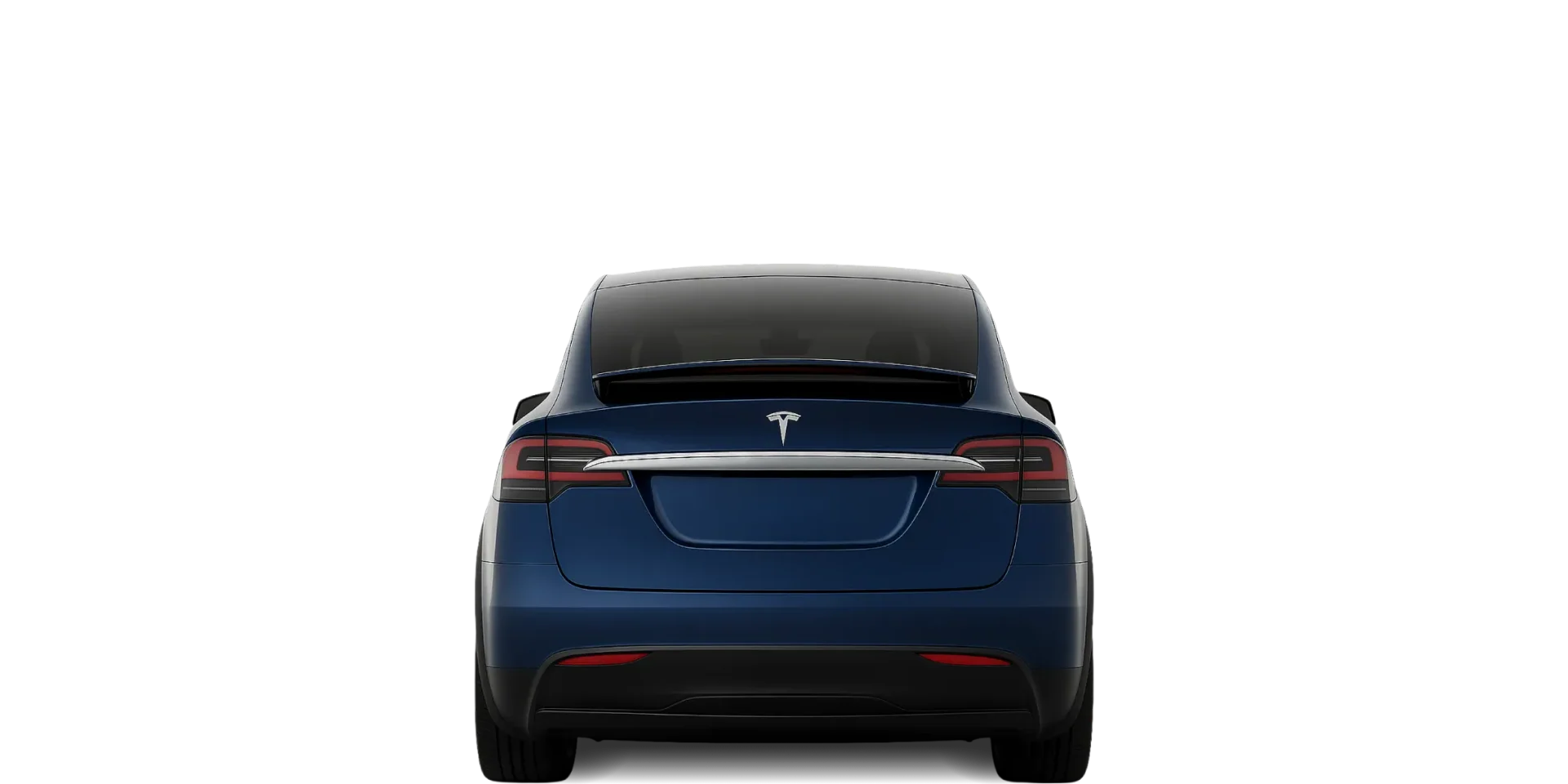
2021 Tesla Model X rear view
DriveSize overview: 2021 Tesla Model X
Looking at its dimensions and capacities, the 2021 Tesla Model X may suit drivers who want a five-seat crossover with unusually generous cargo space. Its everyday SAE capacity is 50% above average, maximum capacity is 32% higher and its combined cargo efficiency is around 20% above the class norm.
That carrying ability comes in a demanding exterior package. Its footprint is approximately 20% larger than average, only four of the eight tested regional parking spaces physically fit it and its turning circle is 9% wider. Its 19% lower ground clearance is another consideration on abrupt ramps or uneven surfaces.
The earlier seven-seat 2015 Tesla Model X has virtually identical exterior dimensions.
Articles featuring this car
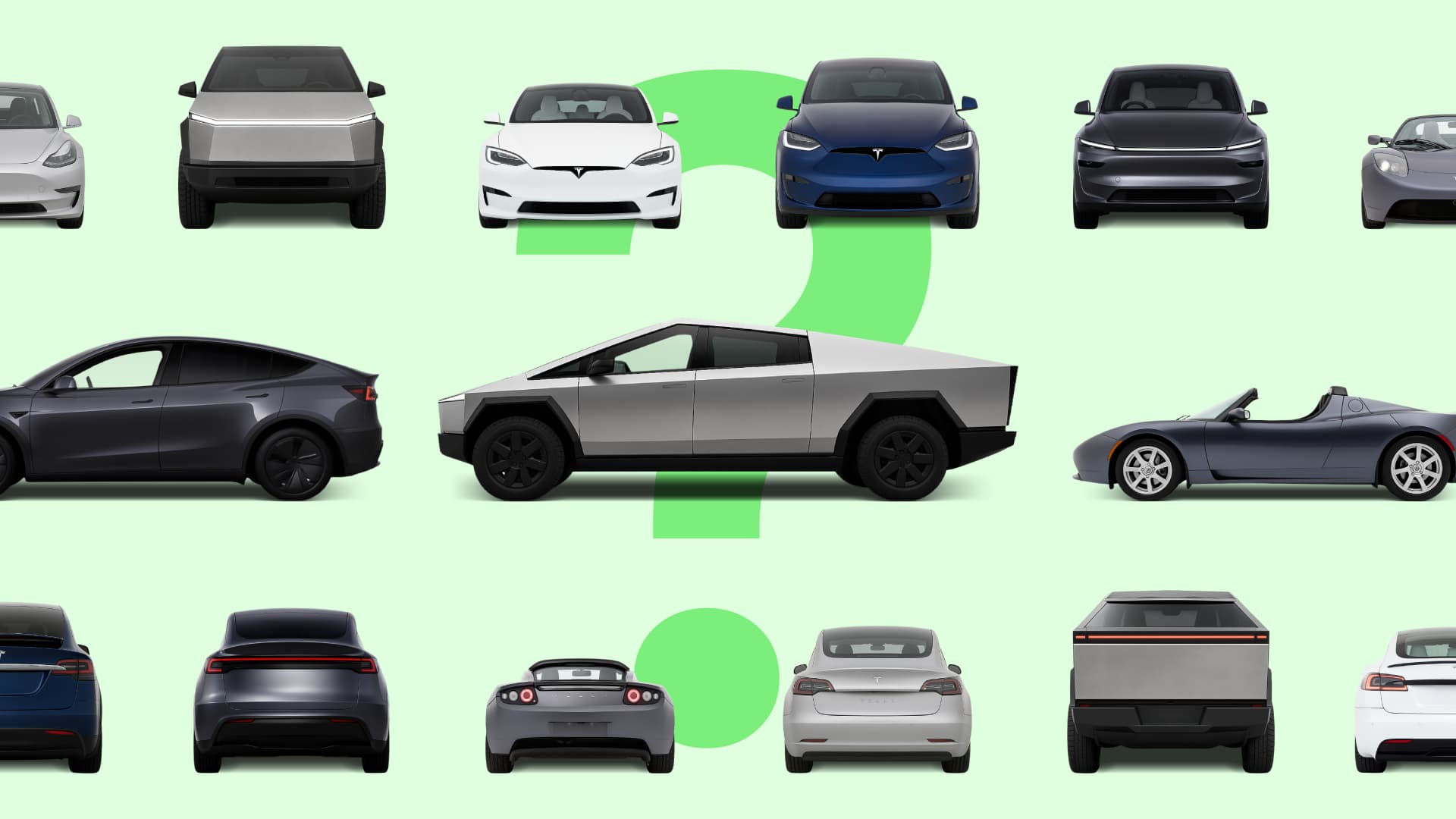
Tesla Size Guide 2026: Model 3 vs Model Y vs Model S vs Model X vs Cybertruck vs Roadster
Compare the size, width, height, cargo space and real-world fit of every Tesla: Model 3, Model Y, Model S, Model X, Cybertruck and Roadster.
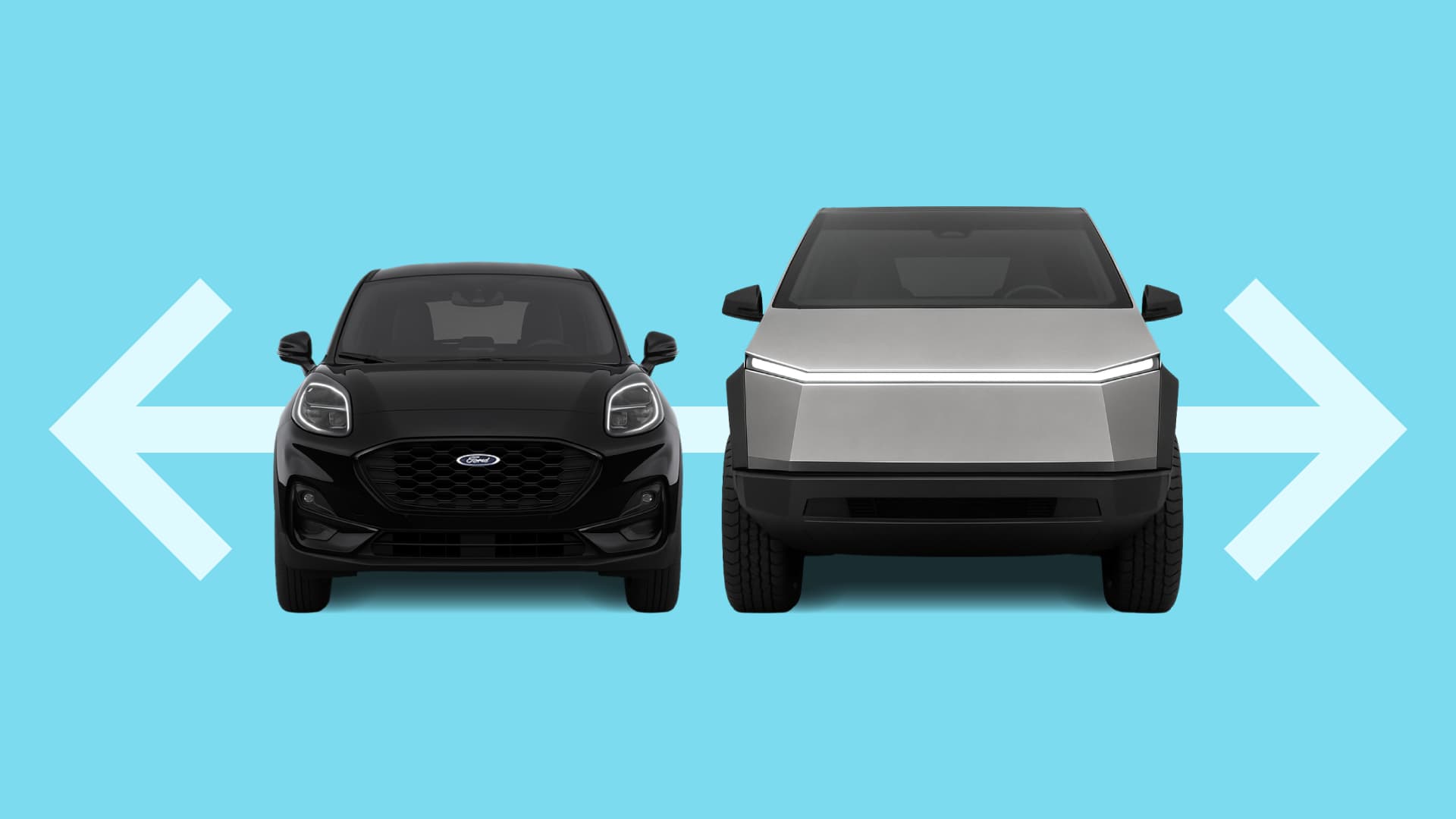
Car width explained: Body width, width with mirrors folded & width including mirrors (with real examples)
Car width made simple: body width, width with mirrors folded and width including mirrors, with real examples from the Model Y, CR-V, Puma, Cybertruck and more.
Are modern SUVs too big for UK parking bays? We measured popular models (and what still fits)
SUV sizes keep growing — we compared six popular models against a standard UK parking bay using each vehicle’s width including mirrors and overall length.
FAQs
Frequently asked questions
Vehicle specifications on this page are sourced from official Tesla documentation. Unless the page identifies a specific trim, body style, powertrain or market version, DriveSize uses manufacturer-published specifications for the base model as its default reference. DriveSize standardises the published measurements and calculates the comparisons and derived figures shown. Figures can vary by market, model year, trim, powertrain, wheels, tyres and measurement method. How DriveSize sources and calculates these figures.