
Are modern SUVs too big for UK parking bays? We measured popular models (and what still fits)
SUV sizes keep growing — we compared six popular models against a standard UK parking bay using each vehicle’s width including mirrors and overall length.
Published • Updated • Written by Ben
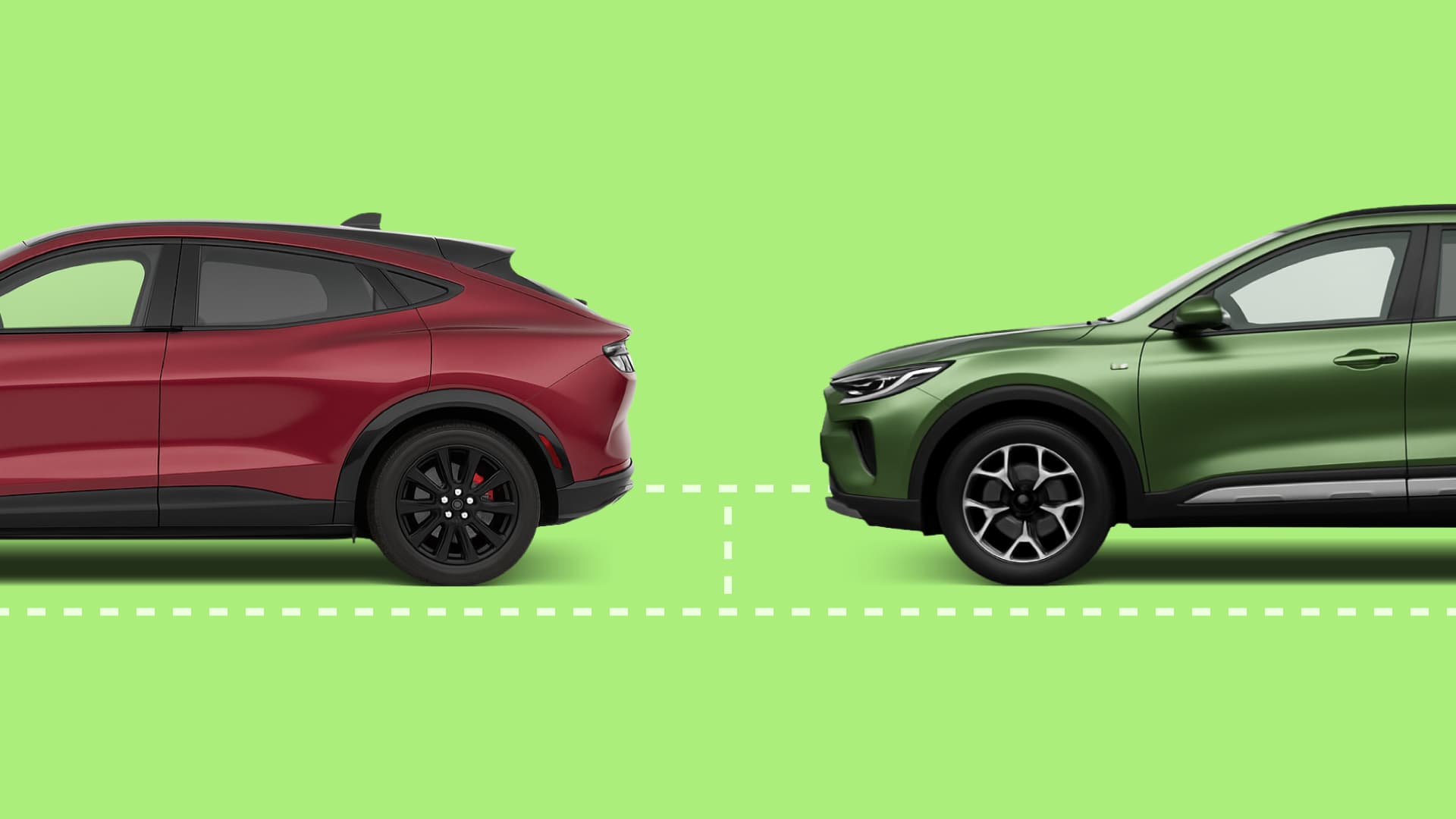
“How on earth is that space supposed to fit this car?” It’s the thought most UK drivers have had while circling a multi-storey car park. Modern SUVs keep getting wider, taller and more imposing — yet most UK parking bays are still built to standards set decades ago.
At Drivesize, we wanted to find out whether today’s SUVs really are too big for UK parking spaces, so we grabbed six SUVs — Honda CR-V, Ford Kuga, Chevrolet Equinox EV, Ford Mustang Mach-E, Tesla Model X and Tesla Model Y — and compared each vehicle’s length and width including mirrors against a standard 2.4-metre-wide UK parking bay. For the CR-V PHEV and Kuga Hybrid, we also looked at width with mirrors folded.
Here’s what the tape measure says.
Fit test: SUV vs parking space
According to the British Parking Association, the recommended UK bay size is 2.4 m wide x 4.8 m long. It’s width that determines whether you park confidently or clench your teeth, so we’ve compared six popular SUV’s using their:
- Body width
- Width with mirrors folded in for the CR-V PHEV and Kuga Hybrid
- Width including mirrors (real car-park width)
directly to a standard 240 cm bay. And, crucially, we worked out how much clear space you’d have on each side.
If you want to know why cars got so wide in the first place? Read our “Autobesity” article.
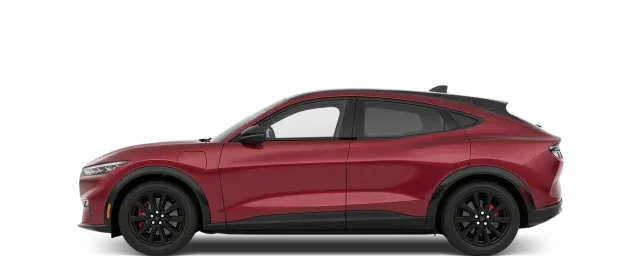
Ford Mustang Mach-E 2021 — the easiest fit of the group
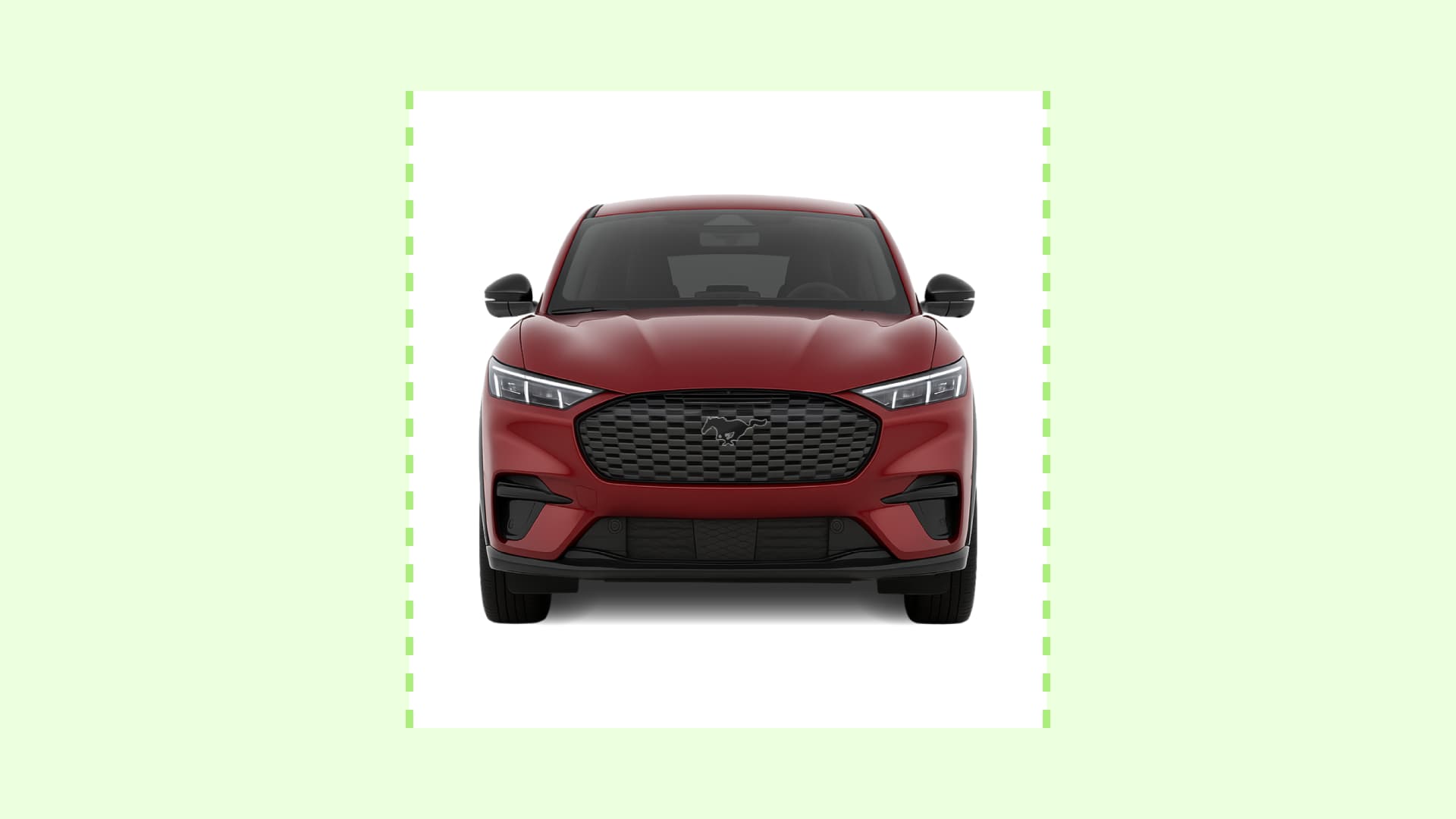
- Length: 471.3 cm — 8.7 cm shorter than the bay
- Body width: 188.1 cm
- Width including mirrors: 209.7 cm
Its width including mirrors leaves around 15.2 cm each side in a 2.4 m bay — noticeably more space than the others. It also fits lengthways with 8.7 cm to spare.
Verdict
The Mach-E is the SUV hero here. It has the smallest width including mirrors of these six. In most UK car parks it should be the least difficult of the group to position, although door-opening room still depends on how neighbouring cars are parked.
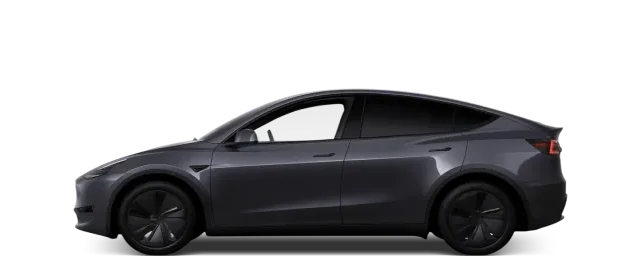
Tesla Model Y 2020 — bigger than it looks, easier than you expect
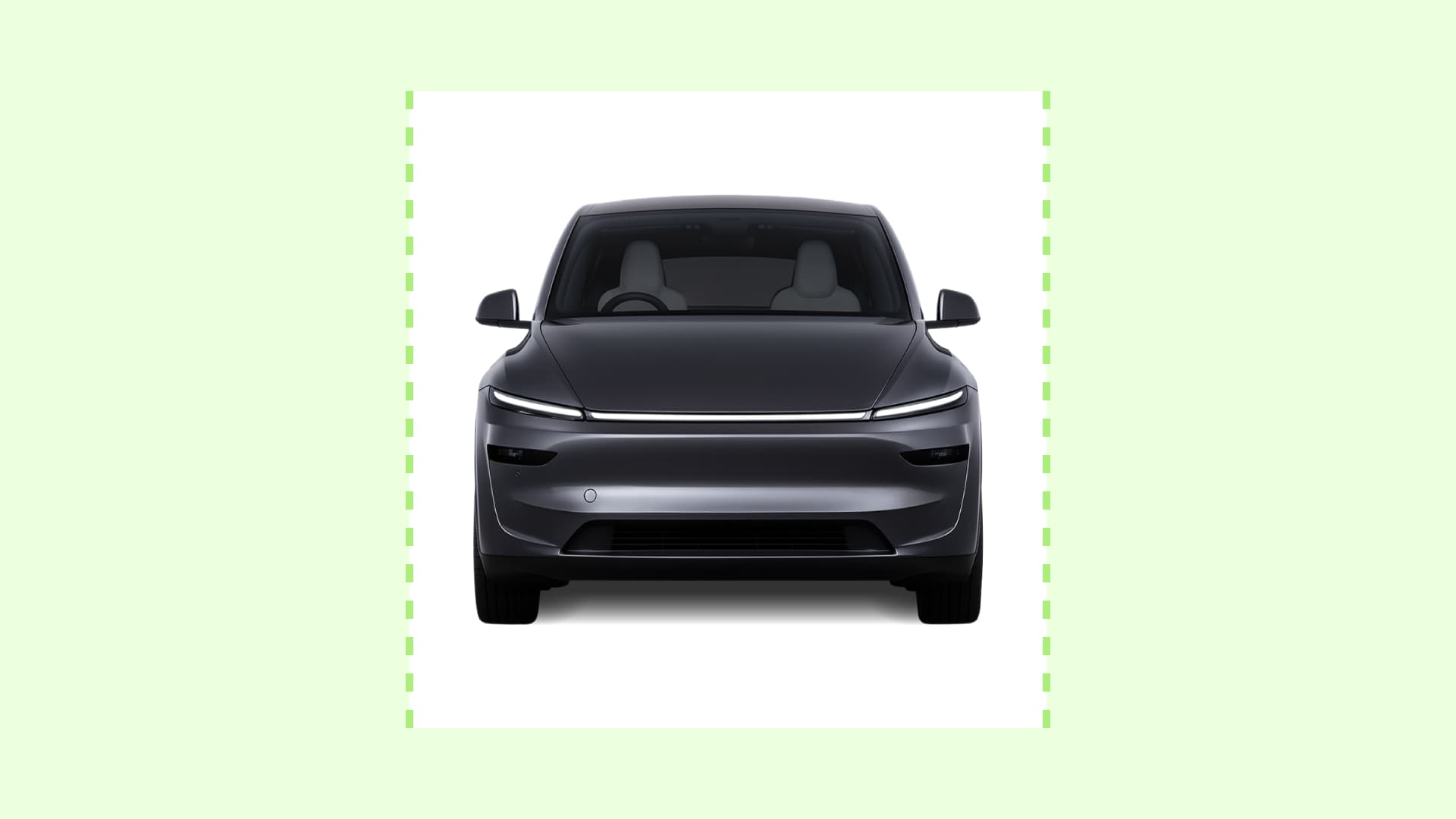
- Length: 475.1 cm — 4.9 cm shorter than the bay
- Body width: 192.1 cm
- Width including mirrors: 212.9 cm
Its width including mirrors leaves around 13.6 cm each side in a 2.4 m bay. Once parked, its 192.1 cm body width leaves about 24 cm per side within the lines. Length is even tighter, with just 4.9 cm left across the whole bay.
Verdict
The Model Y has a greater width including mirrors than the Mach-E but still leaves about 13.6 cm on each side. Its body fits within the bay, and its length leaves just 4.9 cm to spare.
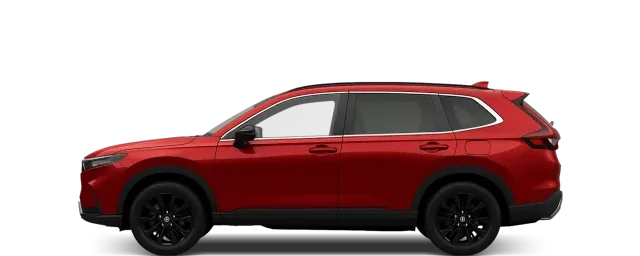
Honda CR-V 2023 (PHEV) — small body width, greater width including mirrors than you’d expect
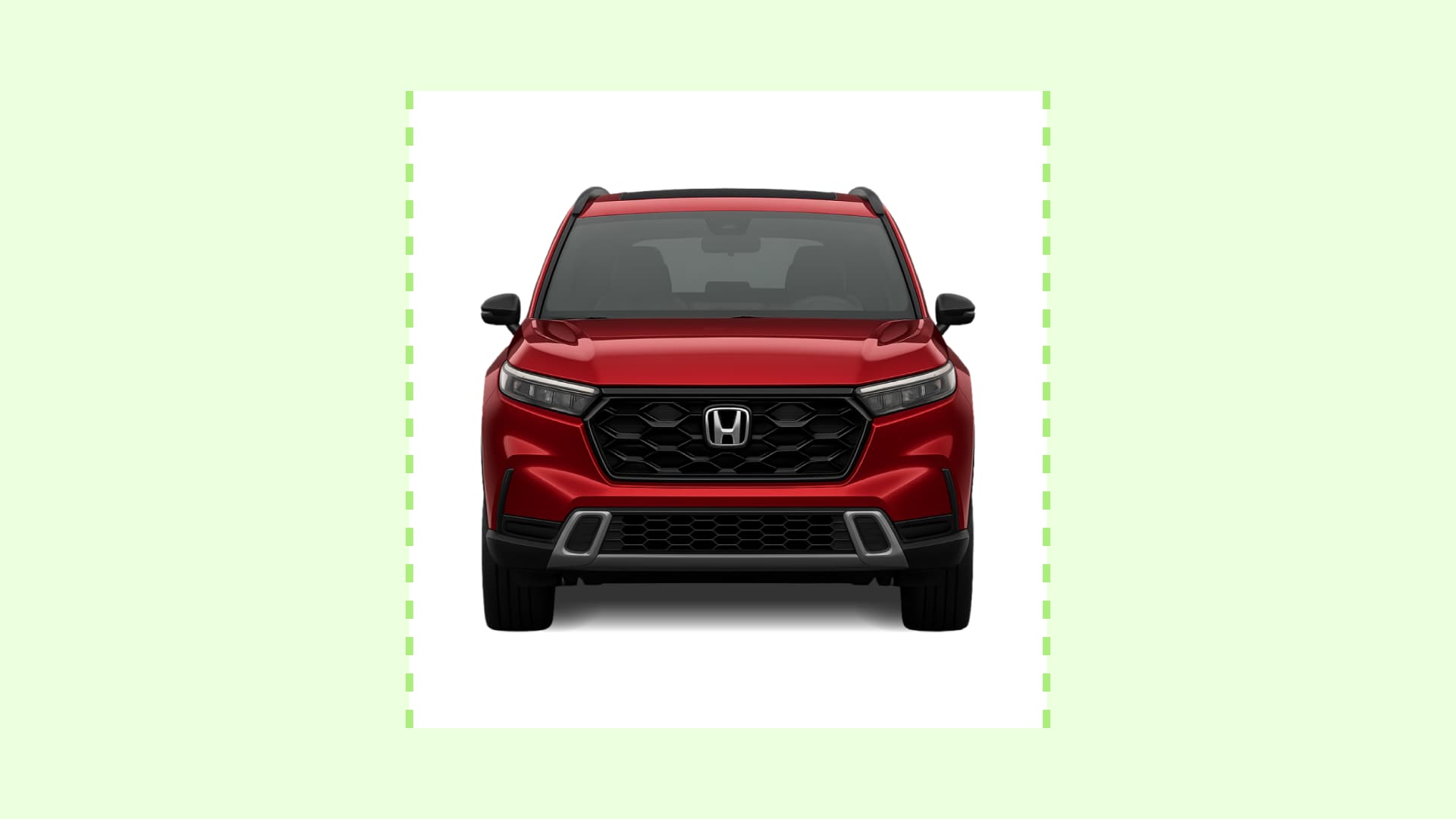
- Length: 470.6 cm — 9.4 cm shorter than the bay
- Body width: 186.6 cm
- Width with mirrors folded: 194.2 cm
- Width including mirrors: 215.3 cm
Its width including mirrors leaves about 12.3 cm of space on each side when centred in a 2.4 m bay. With mirrors folded, it leaves around 22.9 cm each side.
Verdict
The CR-V’s small body width helps, but its width including mirrors pushes it closer to the edges than you might expect. It leaves just over 12 cm each side, but with the mirrors folded that grows to about 23 cm.
It fits. It works. But in a multi-storey built in 1974, you’ll want the mirrors in every time.
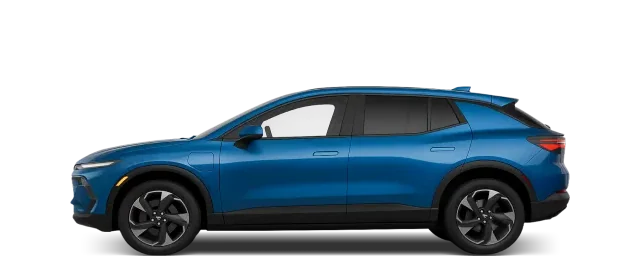
Chevrolet Equinox EV 2024 — substantial width including mirrors, workable bay clearance
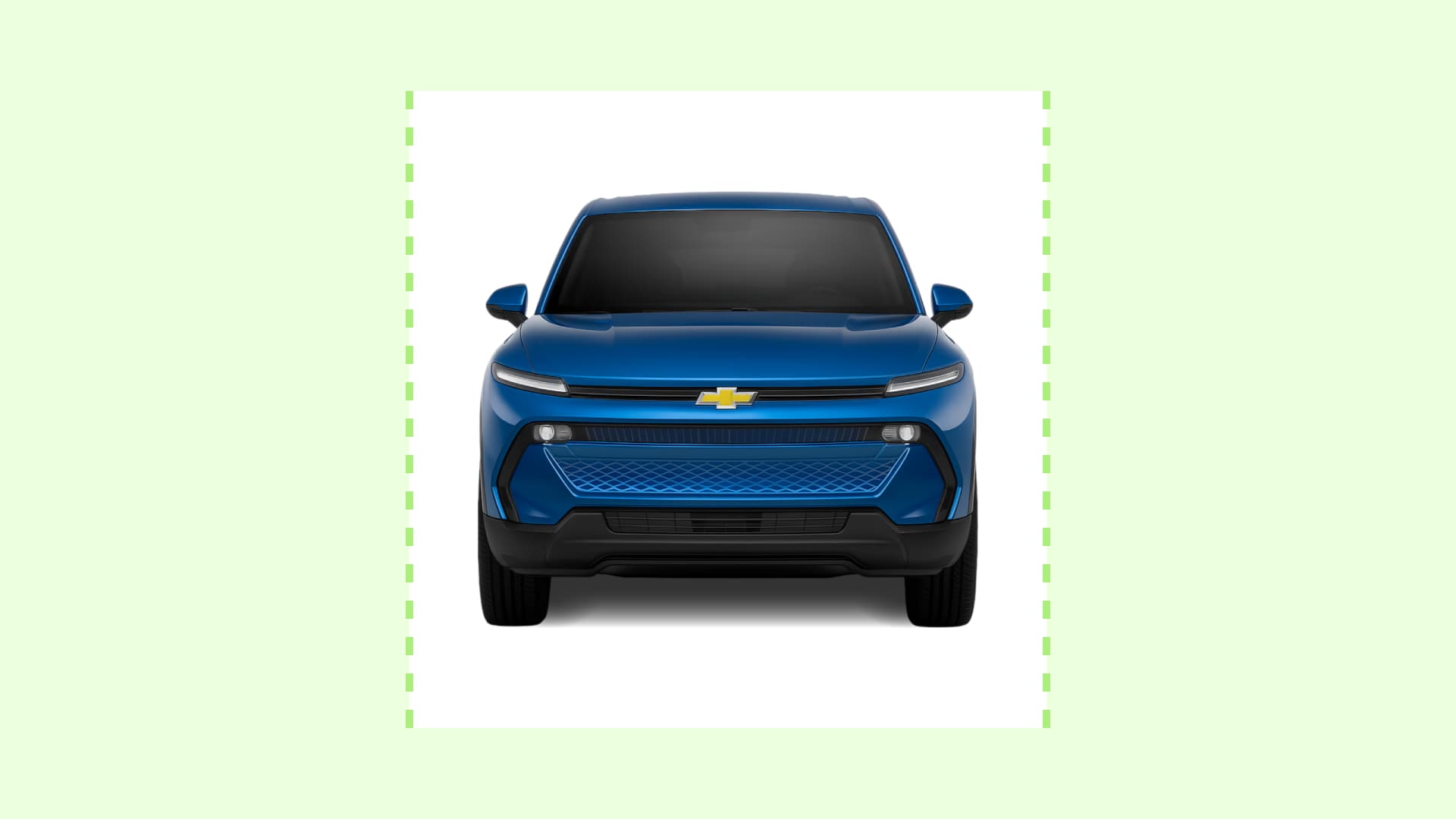
- Length: 484 cm — 4 cm longer than the bay
- Width including mirrors: 215.5 cm
The Equinox EV’s width including mirrors leaves about 12.3 cm each side while manoeuvring in a 2.4 m bay — similar to the CR-V. But it is 4 cm longer than the 4.8 m bay, so it does not fit fully within the standard outline.
Verdict
The Equinox EV has a greater width including mirrors than the CR-V and Model Y, and its length is the decisive problem: it projects 4 cm beyond a standard 4.8 m bay.
Ford Kuga 2024 — compact body width, but a greater width including mirrors makes it feel bigger
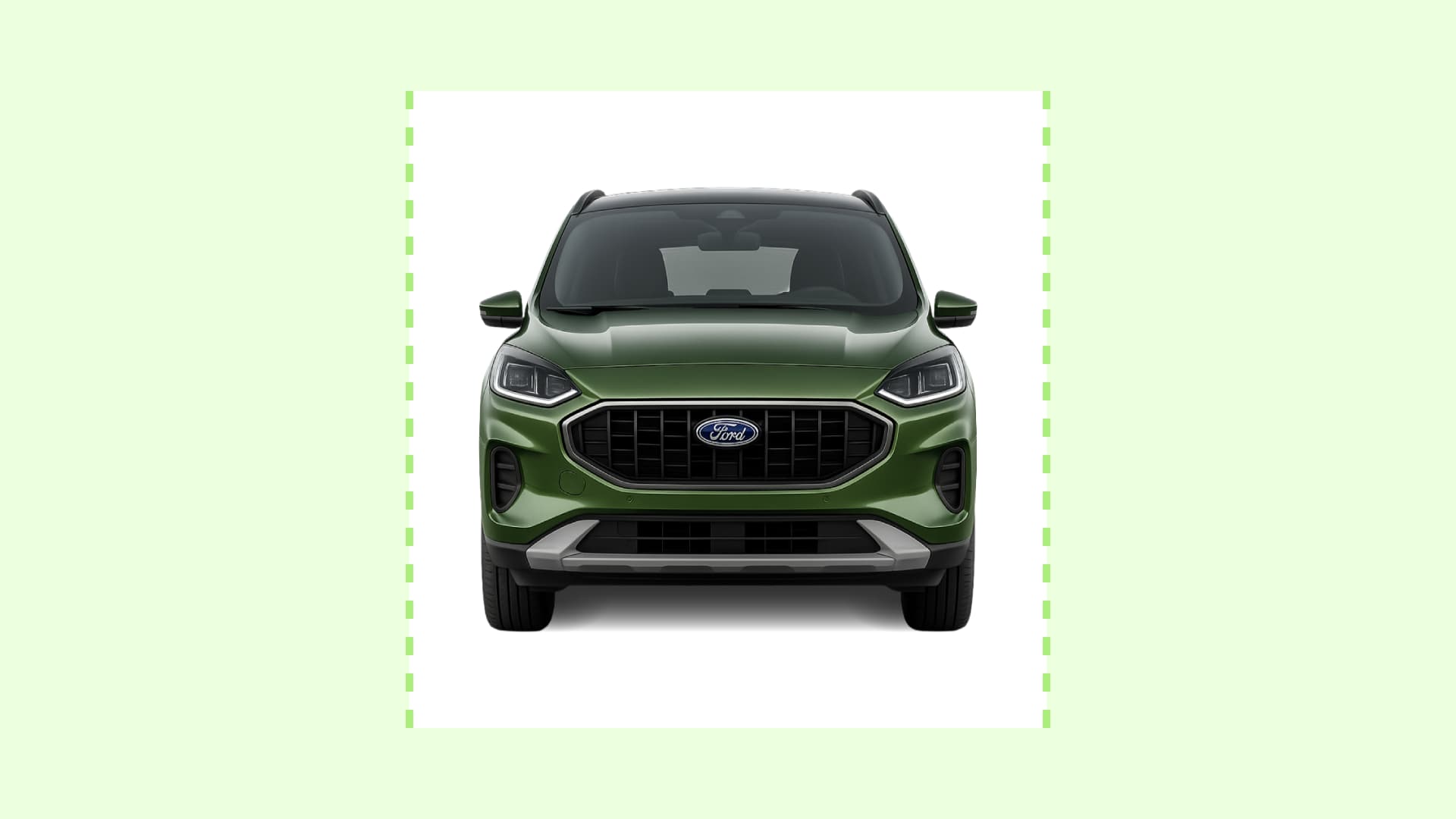
- Length: 460.4 cm — 19.6 cm shorter than the bay
- Body width: 188.2 cm
- Width with mirrors folded: 200 cm
- Width including mirrors: 217.7 cm
Its width including mirrors leaves about 11.2 cm each side in a 2.4 m bay. With mirrors folded, it leaves 20 cm each side, and its 460.4 cm length leaves 19.6 cm within the bay.
Verdict
The Kuga’s body width is only 0.1 cm greater than the Mach-E’s, but it has the second-greatest width including mirrors in the group. Fold the mirrors, and the Hybrid leaves 20 cm per side.
Final word: surprisingly OK to park, but you’ll be using those mirror-fold buttons more often than you think.
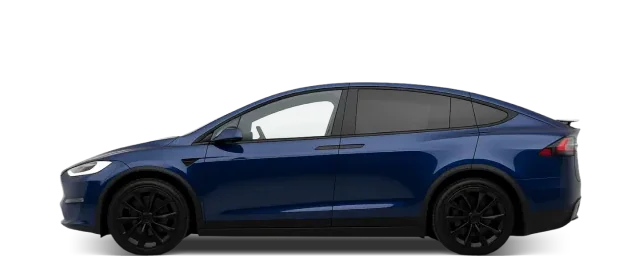
Tesla Model X 2021 — the SUV that really pushes UK bay limits
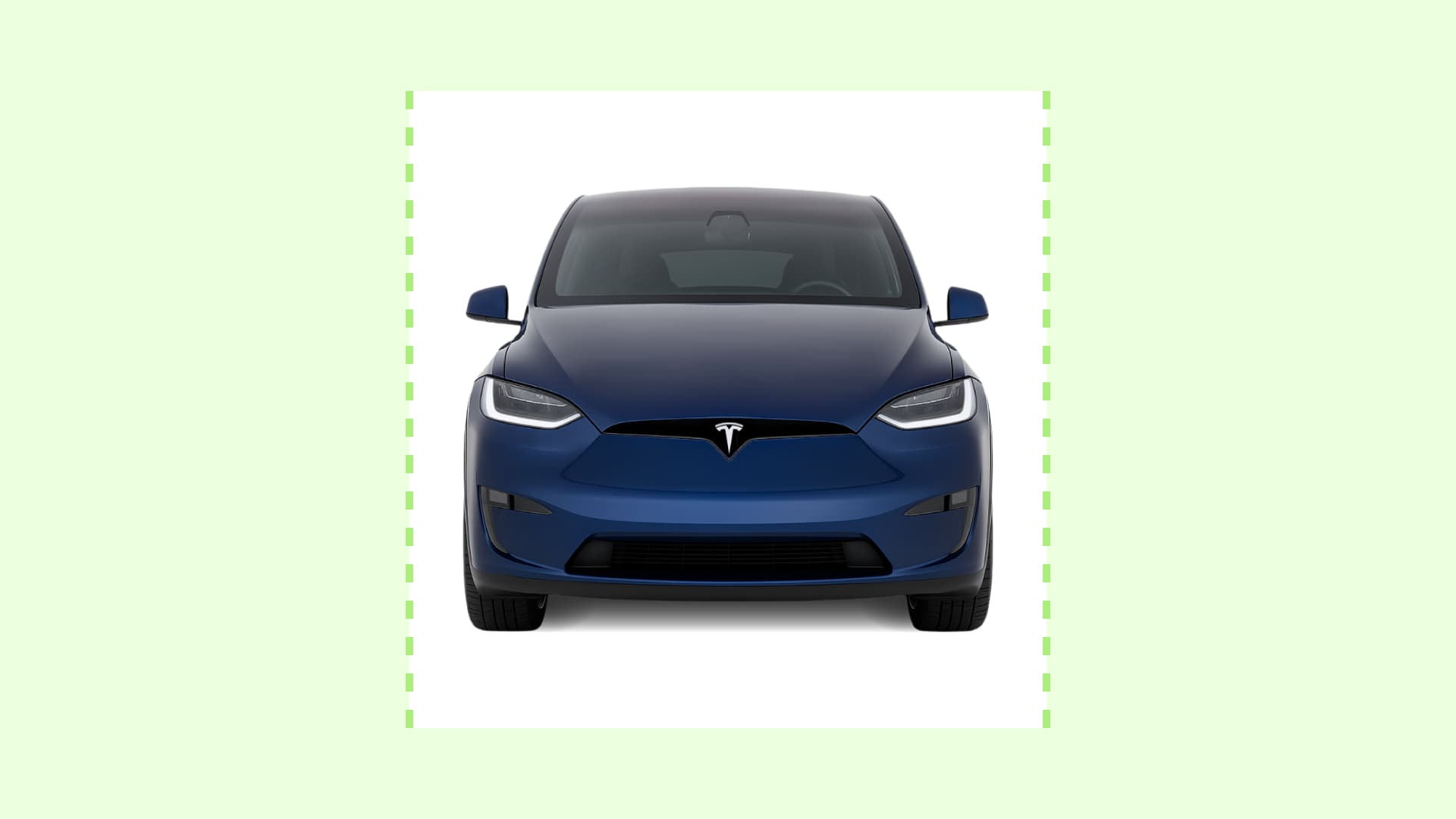
- Length: 505.7 cm — 25.7 cm longer than the bay
- Body width: 199.9 cm
- Width including mirrors: 227.1 cm
The Model X’s width including mirrors leaves only about 6.5 cm each side. Its 199.9 cm body width leaves about 20.1 cm per side within the bay lines once parked, but at 505.7 cm long it extends 25.7 cm beyond a standard 4.8 m bay.
Verdict
The Model X’s width including mirrors leaves just 6.5 cm on each side while manoeuvring. Its body is within the side lines once parked, but the car is too long for the bay and opening the driver’s door may still be difficult if neighbouring cars are close.
So… are modern SUVs too big for UK parking bays?
Not all SUVs — but some absolutely are.
Here’s the real-world ranking from our list (from easiest to hardest to live with in UK bays):
- Ford Mustang Mach-E — genuinely bay-friendly
- Tesla Model Y — bigger in reputation than in reality
- Honda CR-V — okay with mirrors folded
- Chevrolet Equinox EV — tight based on width including mirrors and 4 cm too long
- Ford Kuga — small body width, but its width including mirrors pushes it down the list
- Tesla Model X — 25.7 cm too long and the hardest fit here
The real takeaway: Modern SUVs aren’t “too big” — UK parking bays are too old.
FAQs
Frequently asked questions
About the author
Automotive Size Guide Writer and Designer
Ben is a writer and designer at DriveSize, which he has run with Laurence since its launch in 2025. He covers practical vehicle size comparisons, boot and cargo space, parking fit, ground clearance, and the changing dimensions of SUVs, EVs and pickups. His writing focuses on how a car's exterior size relates to its usable space and what those measurements mean for everyday driving. Ben aims to help our readers understand the trade-offs between passenger room, cargo capacity and ease of manoeuvring without treating the largest vehicle or biggest figure as the automatic winner.