
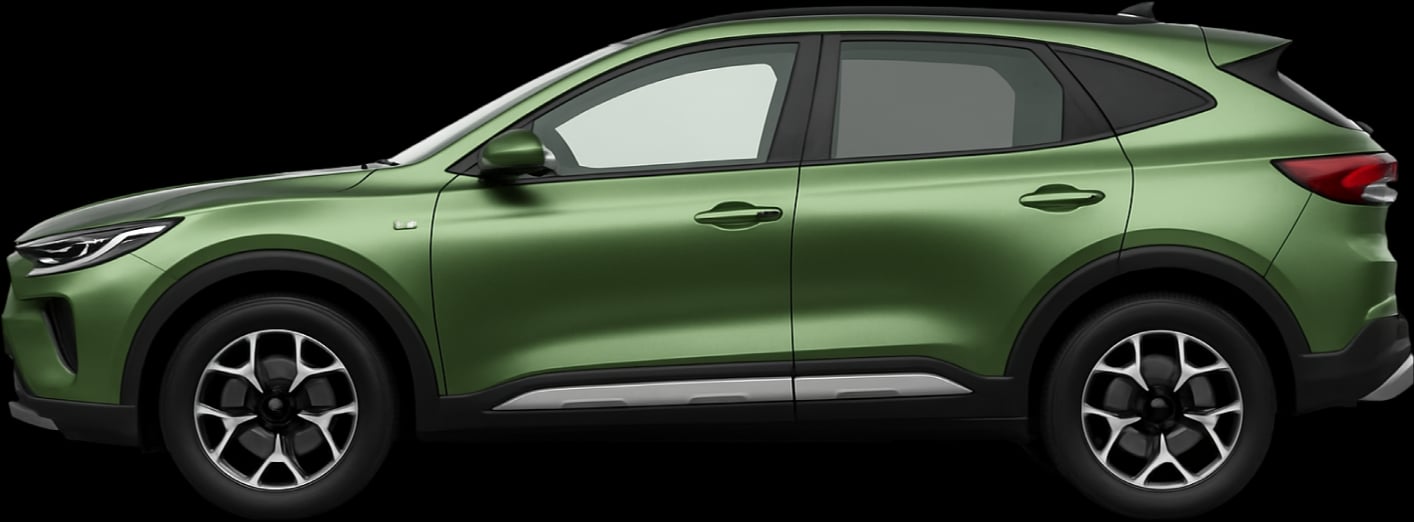
2024 Ford Kuga dimensions and size guide
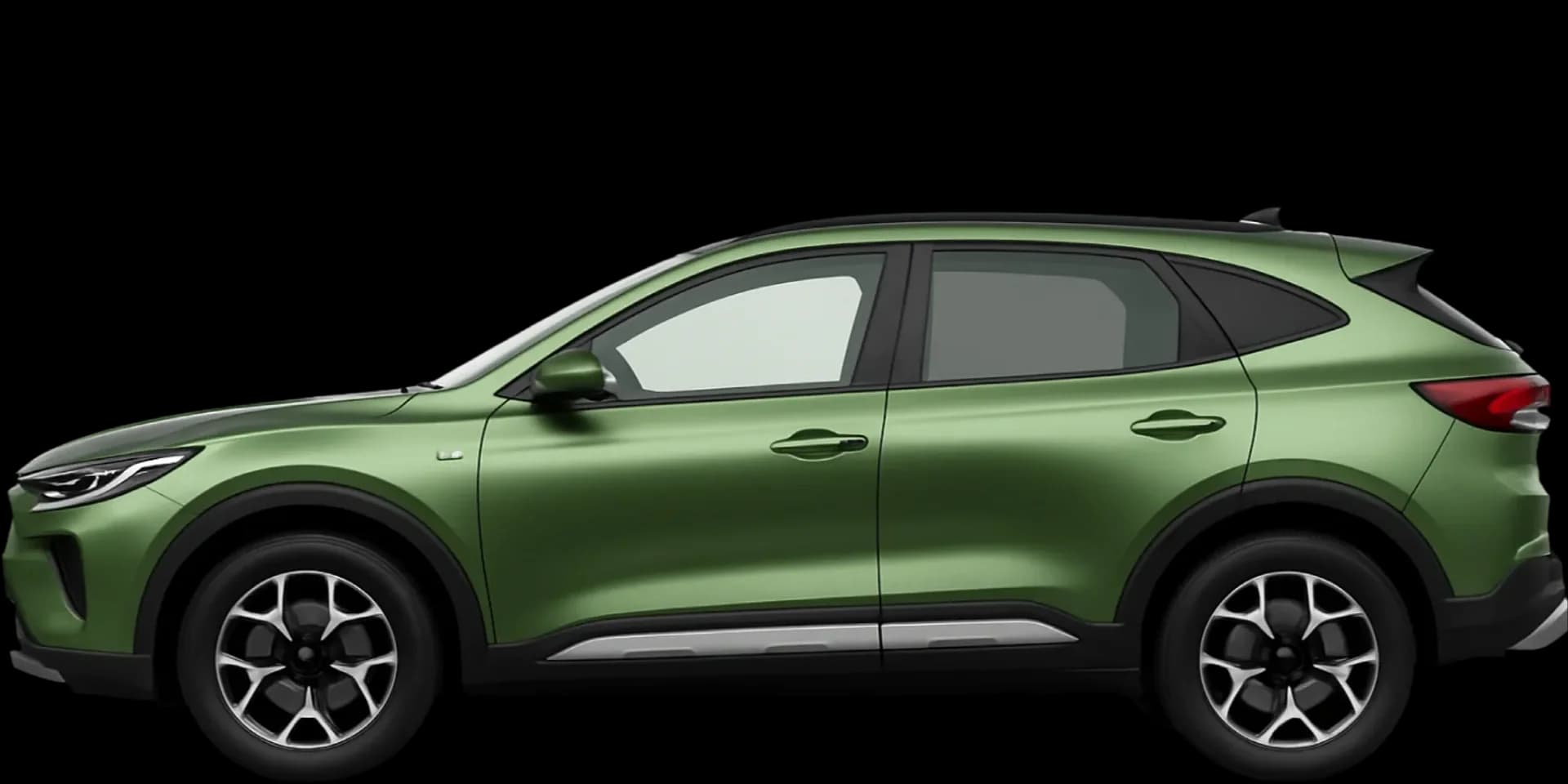
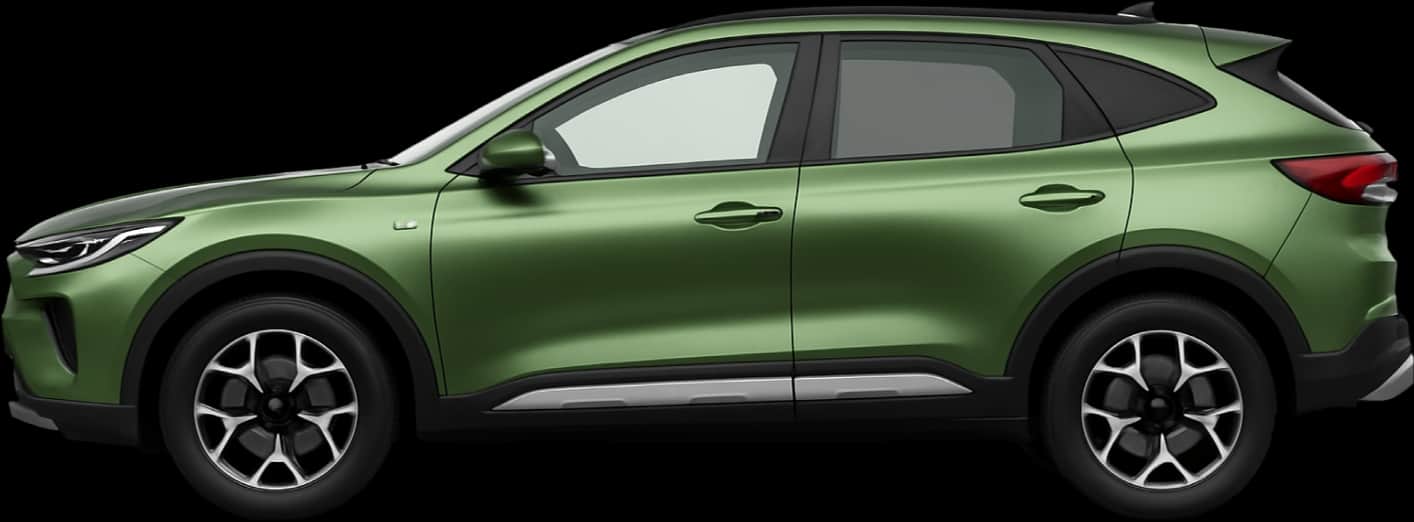
2024 Ford Kuga
 Add comparison
Exterior dimensions
2024 Ford Kuga exterior dimensions
The Ford Kuga is only slightly larger than the average crossover in most directions. At 460.4cm long, its around 8cm, or 2% longer, while its 188.2cm body is roughly 3cm wider. This means finding enough space in front, behind and between the lines should feel broadly familiar to drivers of standard sized crossovers. Its width including mirrors reaches 217.7cm, which is about 11cm more than average. The Kuga is 167.9cm tall, roughly 5cm higher than the average sized crossover, while its 271.1cm wheelbase is almost exactly typical for the class. Overall, its 8.7m² footprint is only around 3% larger than the crossover norm.
Measurements
Length
460.4 cm
Body width
188.2 cm
Width including mirrors
217.7 cm
Height
167.9 cm
Wheelbase
271.1 cm
Ground clearance
16.6 cm
Footprint
DriveSize footprint is overall length multiplied by body width.
8.7 m²
How the 2024 Ford Kuga's exterior dimensions compare with the average Crossover
Length
7.8 cm longer than the average Crossover
Body width
3.3 cm wider than the average Crossover
Width including mirrors
11.3 cm wider than the average Crossover
Height
5.1 cm taller than the average Crossover
Wheelbase
1.3 cm shorter wheelbase than the average Crossover
Ground clearance
1.5 cm less ground clearance than the average Crossover
DriveSize footprint
DriveSize footprint compares this car's footprint with the average footprint for the same class.
A positive percentage means a larger footprint and a negative percentage means a smaller footprint. About average means the rounded difference is 0%.
+3%
Larger footprint than the average Crossover
Fast facts
Fast facts
It fits in most parking spaces
The 2024 Kuga can physically fit within every standard regional parking-space size tested by DriveSize. Five of the eight spaces also provide enough surrounding room for a comfortable passenger entry and exit.
Seats-up boot space is 7% below average
With all five seats available, the Kuga provides 412 litres of VDA cargo space. That is around 33 litres less than the average crossover, leaving slightly less room for everyday shopping or luggage.
Maximum capacity edges above average
Fold the back seats and published VDA capacity increases to 1,534 litres. This is around 26 litres, or 2%, more than the crossover average, bringing its expanded cargo space just ahead of the class norm.
Turning room is almost average
The Kuga's 11.38m turning circle is only around 14cm wider than the average crossover. Tight turns and changes of direction should therefore require a typical amount of space for the class.
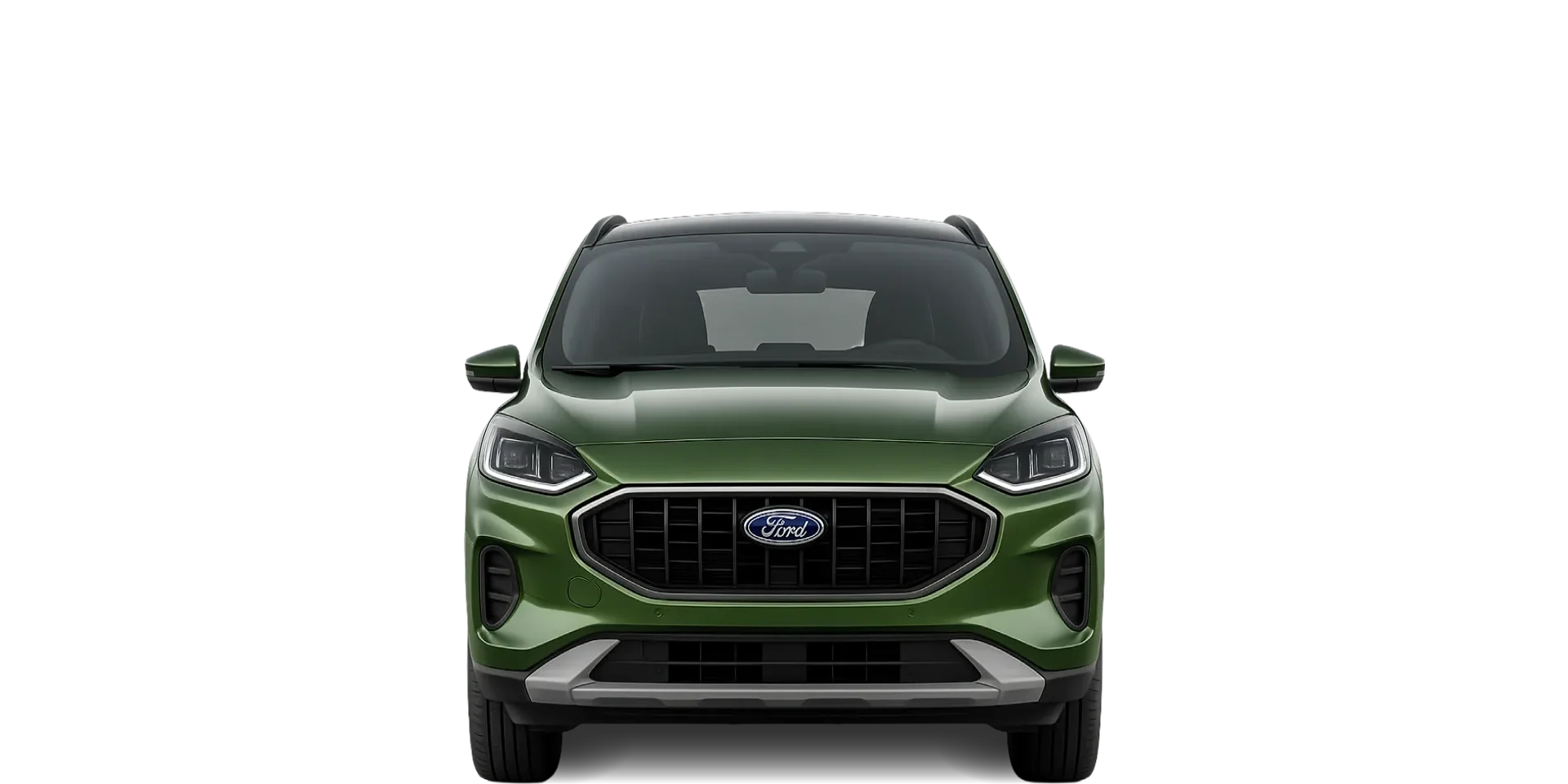
2024 Ford Kuga front view
Cargo space & efficiency
2024 Ford Kuga cargo capacity and space efficiency
With five seats in use, the Kuga has 412 litres of published VDA cargo capacity. This is around 33 litres, or 7%, below the crossover average, so its everyday boot is a little less generous than usual for the class. However, maximum published capacity rises to 1,534 litres when the car is configured to carry as much as possible. That is around 26 litres, or 2%, above average, making the expanded setup the stronger of its two cargo comparisons. Taking both its seats-up and maximum cargo capacity into account, the Kuga provides about 93 litres per square metre of ground space. That is roughly 6% below the crossover average, meaning each square metre provides slightly less cargo capacity than the class norm.
Measurements
Standard cargo capacity (VDA)
The standard cargo capacity using VDA, the method commonly used globally.
This is the manufacturer's normal published figure; it does not imply a particular seat configuration.
412 L
Largest cargo capacity (VDA)
The largest cargo capacity using VDA, the method commonly used globally.
If only one VDA figure is published, the standard and largest values are the same.
1,534 L
Cargo space vs length
This DriveSize metric divides blended cargo volume by overall vehicle length.
Blended cargo uses 65% of the standard figure and 35% of the largest figure, using VDA where available and SAE otherwise.
174.8 L per m
Cargo space vs footprint
This DriveSize metric divides blended cargo volume by footprint.
Blended cargo uses 65% of the standard figure and 35% of the largest figure, using VDA where available and SAE otherwise.
It helps show how efficiently a car turns exterior area into usable cargo space.
92.9 L per m²
How the 2024 Ford Kuga's cargo space and efficiency compare with the average Crossover
Standard cargo capacity (VDA)
The standard cargo capacity using VDA, the method commonly used globally.
This is the manufacturer's normal published figure; it does not imply a particular seat configuration.
33 L less cargo volume than the average Crossover
Largest cargo capacity (VDA)
The largest cargo capacity using VDA, the method commonly used globally.
If only one VDA figure is published, the standard and largest values are the same.
26 L more cargo volume than the average Crossover
DriveSize space efficiency (VDA)
DriveSize space efficiency compares blended cargo volume per square meter of footprint with the class average.
Blended cargo uses 65% of the standard figure and 35% of the largest figure within the selected cargo measurement method.
VDA values compare with VDA class averages, and SAE values compare with SAE class averages. Positive percentages indicate more space efficiency and negative percentages indicate less.
-6%
Less space efficient than the average Crossover
Parking
Will the 2024 Ford Kuga fit in a standard parking space?
The Kuga fits physically within all eight standard regional parking spaces tested by DriveSize, and five leave a comfortable amount of room around it. Its dimensions should therefore suit a broad range of marked bays rather than limiting it to especially large spaces. The United Kingdom, European Union and Australia provide the tighter results, where opening the doors and getting in or out may need more care. China, India, Japan, USA/Canada and the Middle East all achieve a comfortable fit.
DriveSize parking fit score
DriveSize compares the car's width and length with typical parking-space sizes by region.
Vehicle dimensions are rounded up and available side or length clearance is rounded down.
Side clearance is based on body width where available; real spaces can vary because of mirrors, walls, pillars, kerbs, bay markings, and nearby cars.
For an average USA / Canada space: body side clearance is 43 cm per side, and length clearance is 44.5 cm at each end.
Body side clearance
43 cm
Length clearance (at each end)
44.5 cm
Usability
2024 Ford Kuga usability & manoeuvrability
At 11.38m, the Kuga's turning circle is almost identical to the average crossover figure, differing by only around 14cm. Its 271.1cm wheelbase is also close to average, so the space it needs for tight turns should feel typical for the class. At 1,526kg, the Kuga is around 106kg, or 7%, lighter than average. Ground clearance is 16.6cm, around 1.5cm, or 8%, below the crossover norm, leaving a little less space beneath the car over steep entrances and uneven ground.
Measurements
Doors
5
Max seats
5
Turning circle
11.4 m
Curb weight
1,526 kg
How the 2024 Ford Kuga's usability and manoeuvrability compare with the average Crossover
Turning circle
0.1 m larger turning circle than the average Crossover
Curb weight
106 kg lighter than the average Crossover
DriveSize manoeuvrability
DriveSize manoeuvrability combines turning circle and footprint, with turning circle weighted more heavily.
A positive percentage means more manoeuvrable than the class average and a negative percentage means less manoeuvrable.
-2%
Less manoeuvrable than the average Crossover
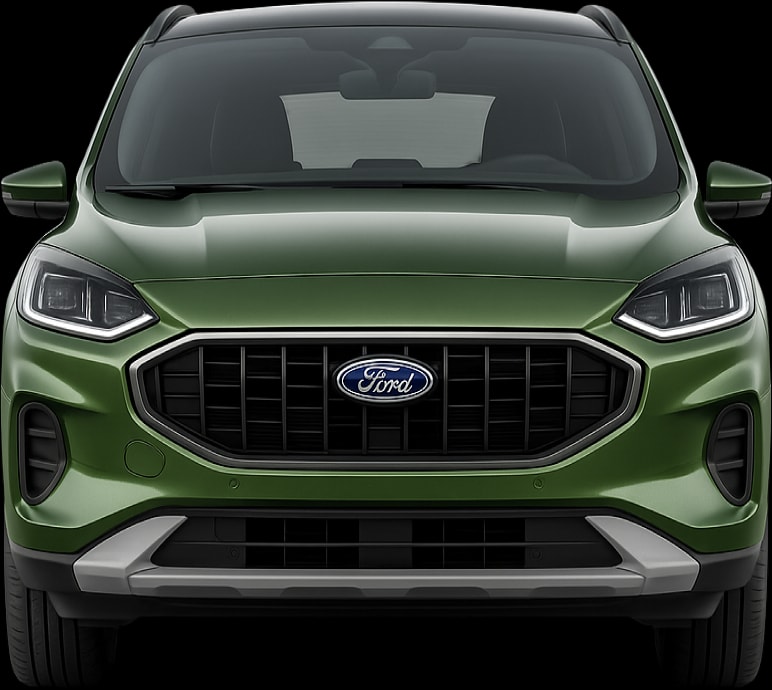
2024 Ford Kuga rear view
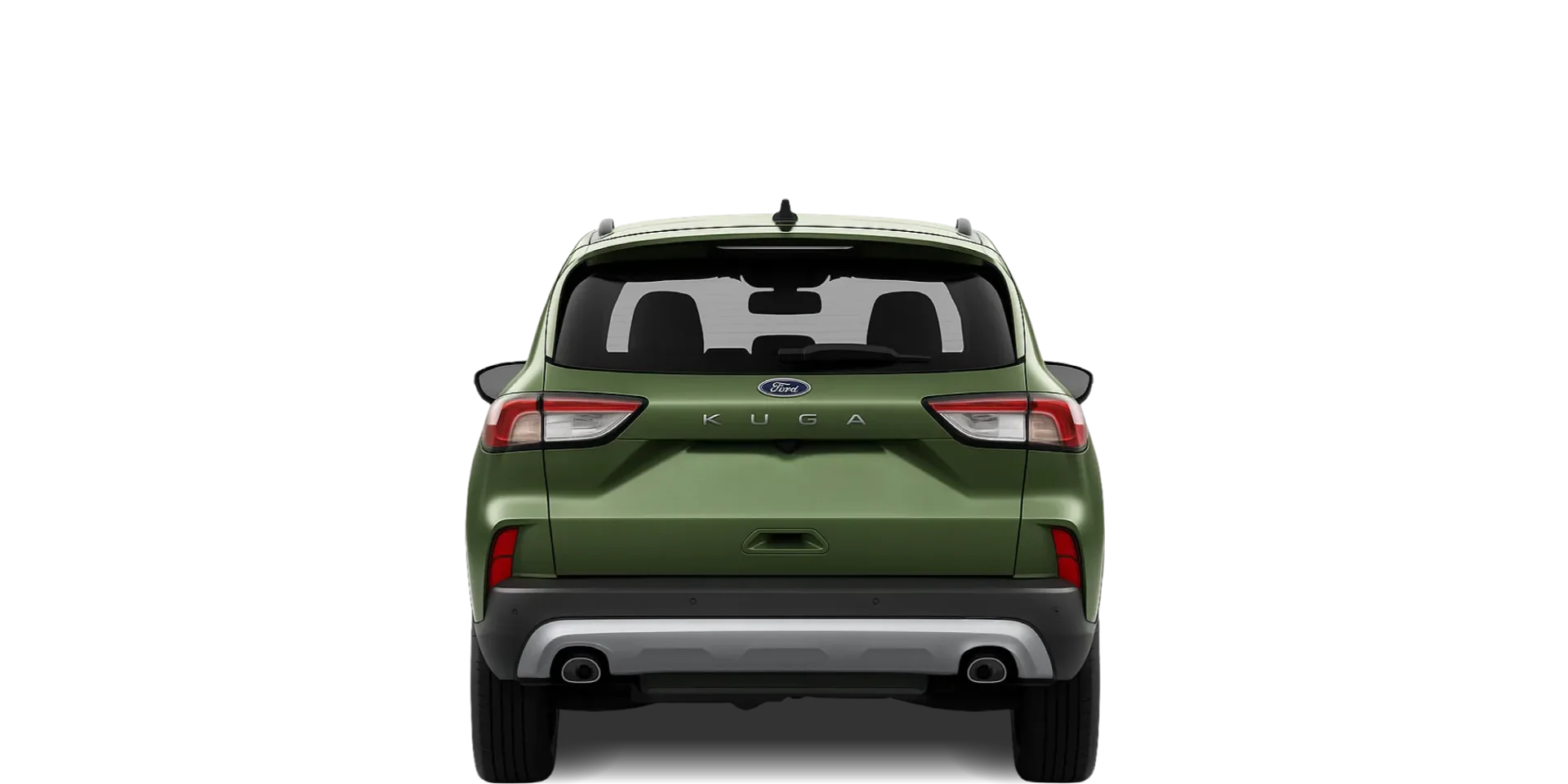
DriveSize overview: 2024 Ford Kuga
Its dimensions and capacities suggest that the Ford Kuga may suit drivers who want a crossover that remains close to the class norm in overall size and manoeuvrability. It fits all eight regional parking spaces, has an almost-average turning circle and offers slightly above-average maximum cargo capacity.
The main compromise is its boot when all five-seats are available or in use, which is around 7% smaller than average. Cargo efficiency is also 6% below the crossover norm, although folding the back seats brings total published capacity just above average.
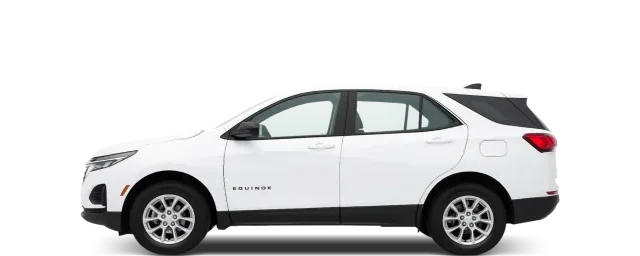
With almost the same footprint, the 2023 Honda CR-V is a good comparison.
Articles featuring this car
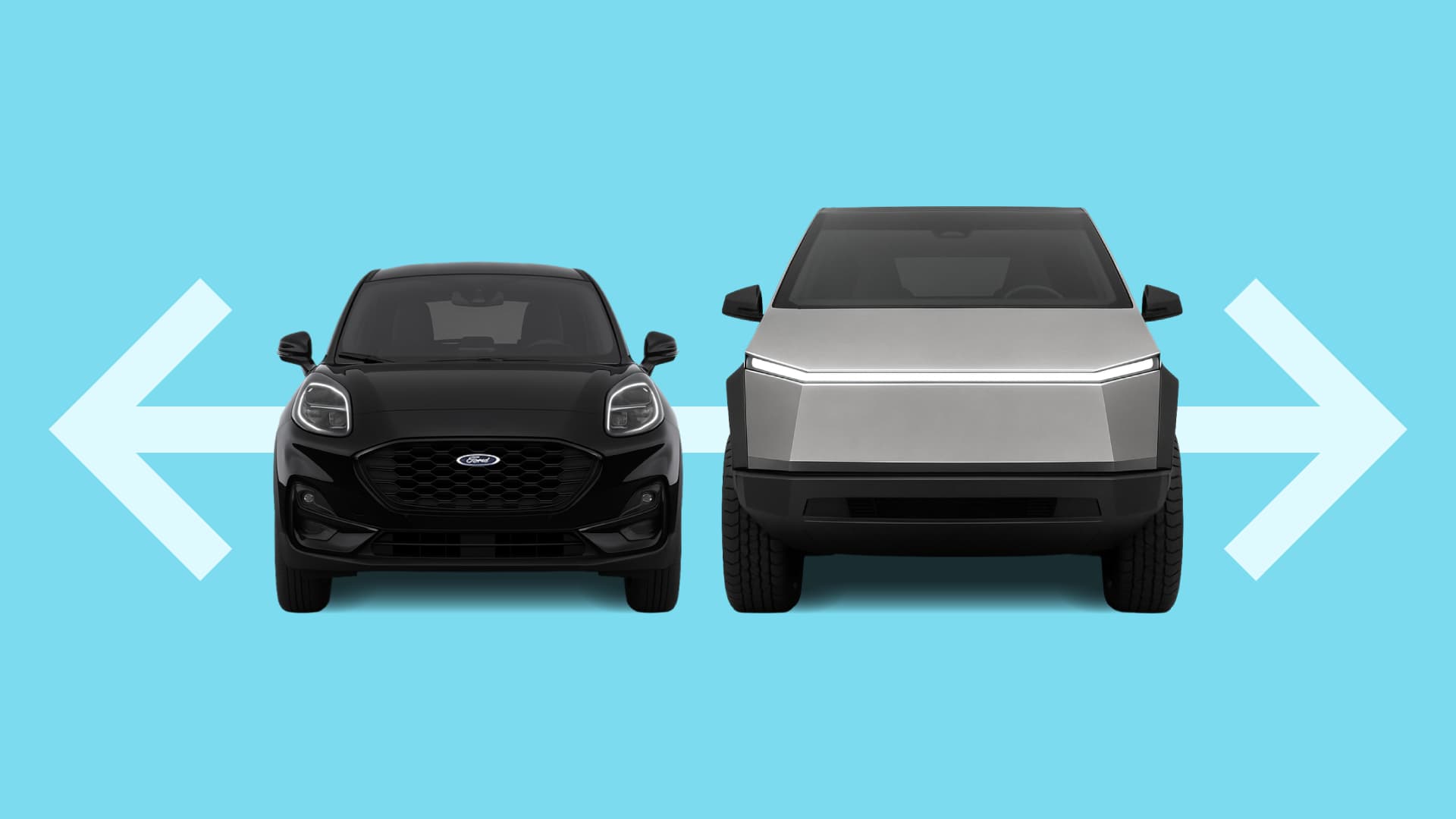
Car width explained: Body width, width with mirrors folded & width including mirrors (with real examples)
Car width made simple: body width, width with mirrors folded and width including mirrors, with real examples from the Model Y, CR-V, Puma, Cybertruck and more.
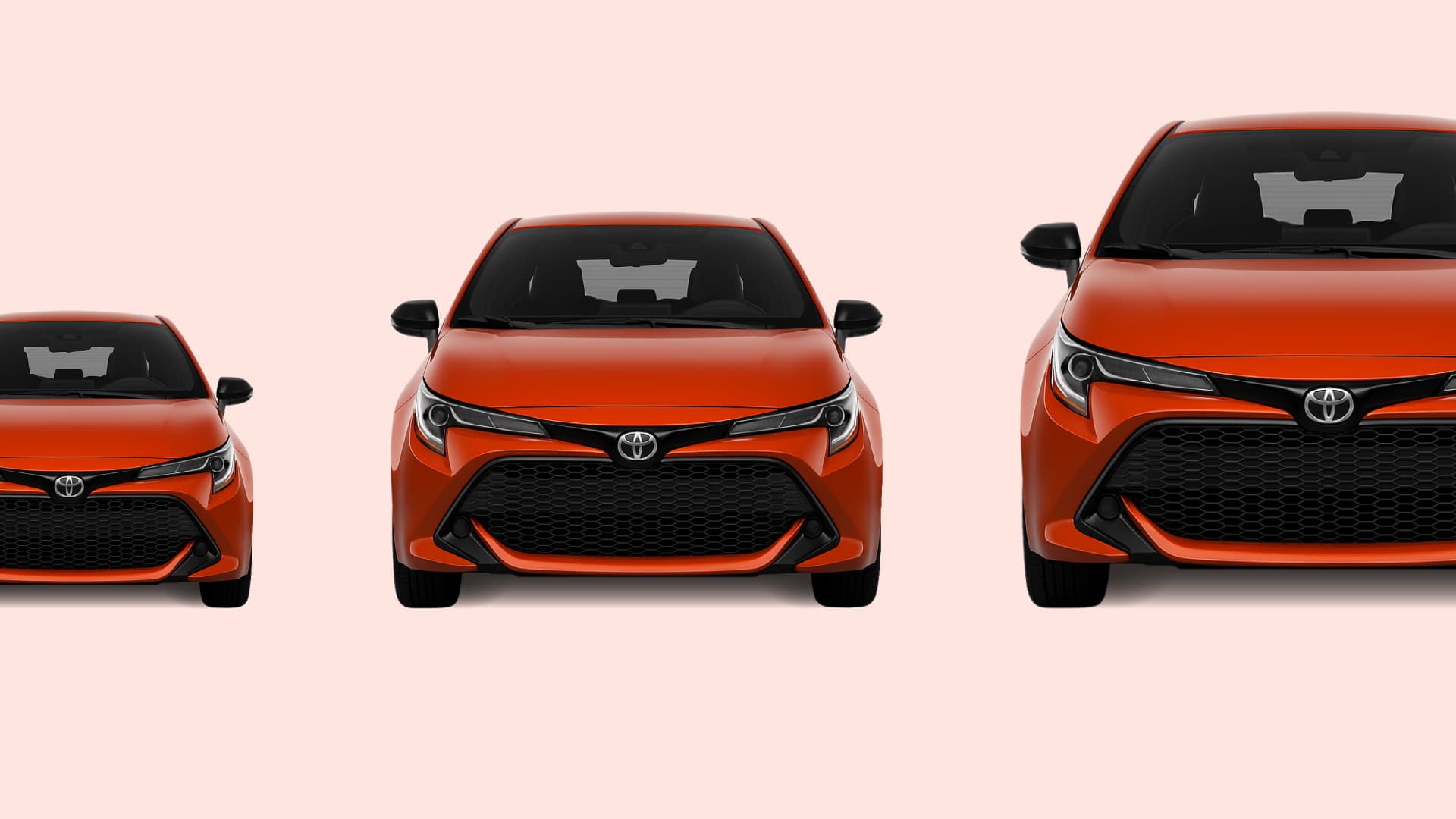
Autobesity: Why Cars Keep Getting Bigger
Why are cars getting wider and heavier every year? Explore the rising trend of ‘autobesity,’ how it affects safety, parking, fuel use—and whether it’s here to stay.
Are modern SUVs too big for UK parking bays? We measured popular models (and what still fits)
SUV sizes keep growing — we compared six popular models against a standard UK parking bay using each vehicle’s width including mirrors and overall length.
FAQs
Frequently asked questions
Vehicle specifications on this page are sourced from official Ford documentation. Unless the page identifies a specific trim, body style, powertrain or market version, DriveSize uses manufacturer-published specifications for the base model as its default reference. DriveSize standardises the published measurements and calculates the comparisons and derived figures shown. Figures can vary by market, model year, trim, powertrain, wheels, tyres and measurement method. How DriveSize sources and calculates these figures.