
Cybertruck vs Silverado EV vs F-150 Lightning: Dimensions, Bed Size & Parking Reality
Compare the Tesla Cybertruck, Chevrolet Silverado EV and Ford F-150 Lightning side-by-side. Dimensions, width, bed size, turning circle and parking practicality explained with real Drivesize data.
Published • Updated • Written by Ben
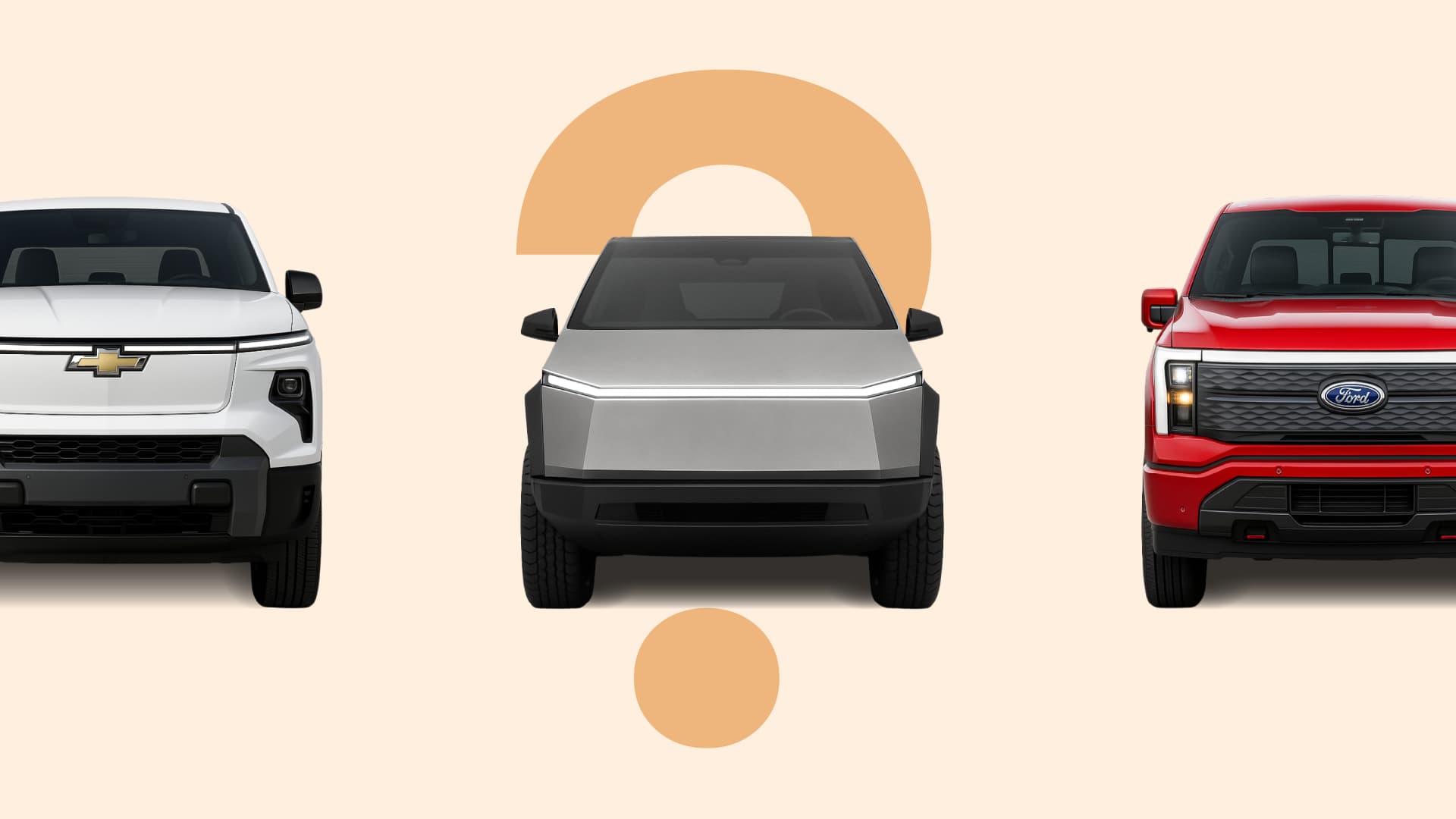
Welcome to the electric pickup main event. The Tesla Cybertruck brings futuristic stainless-steel, the Chevrolet Silverado EV is GM’s new-age workhorse, and the Ford F-150 Lightning keeps America’s best-selling truck shape but swaps petrol for power cords. They all promise range, muscle, and modernity — at Drivesize we’ve lined them up and measured them out, to figure out which one deserves your driveway.
Paper Specs vs Pavement Presence
Line these three up and it’s obvious: none of them are shy.
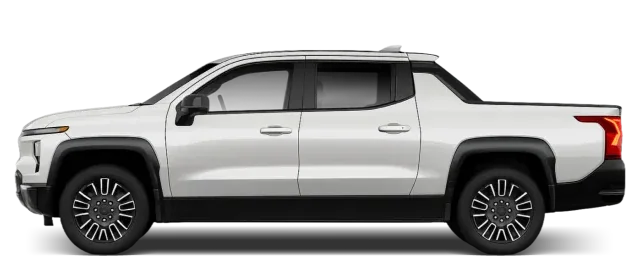
The Silverado EV wins the “longest truck” trophy at 19.42 ft, and its towering roofline makes it the most imposing on the street.
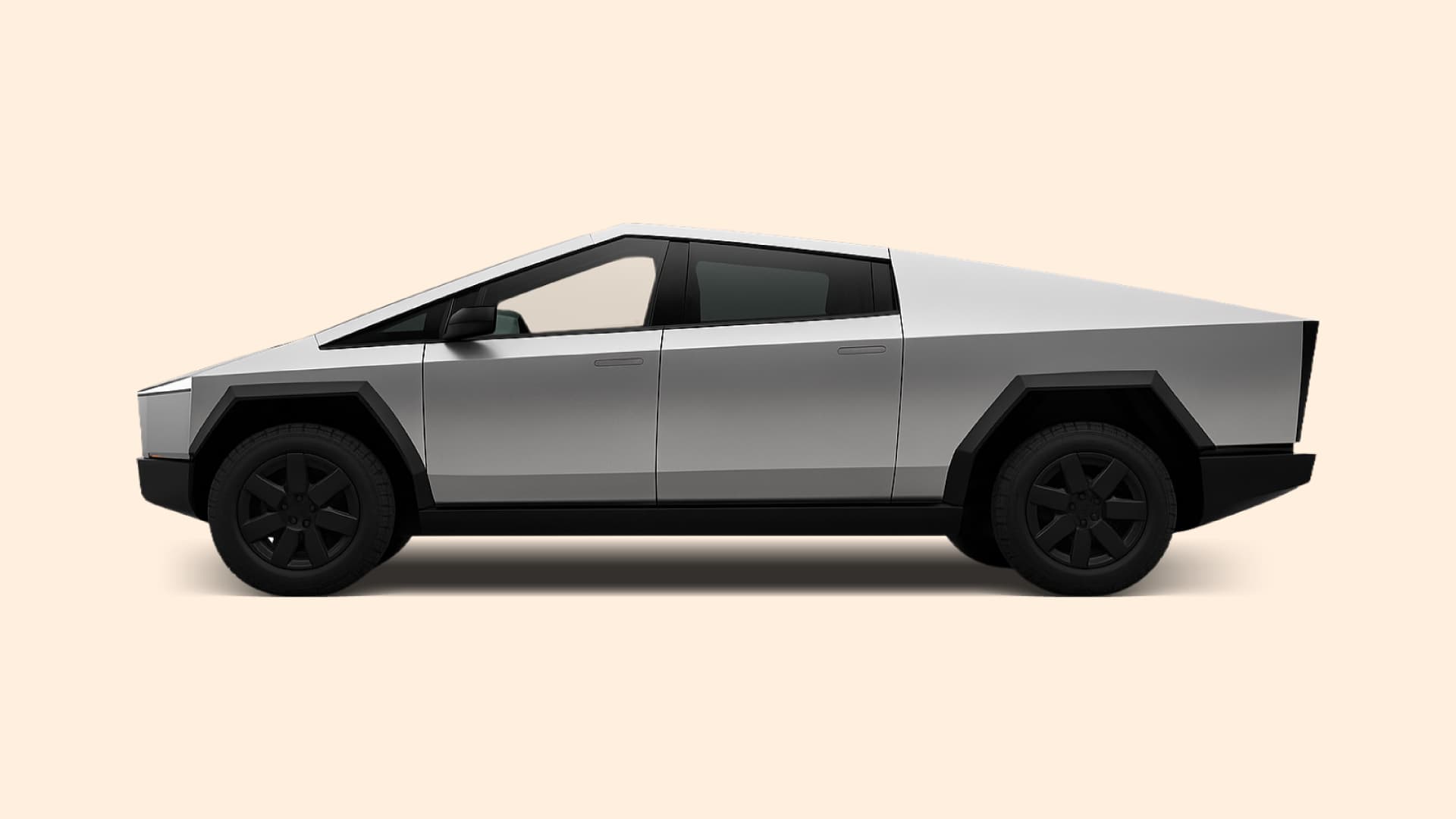
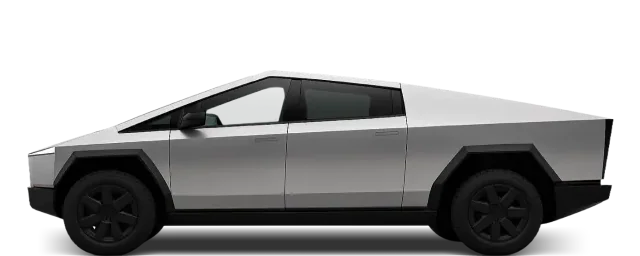
The Cybertruck is the shortest and lowest of the three, but visually the broadest slab of metal here — all sharp angles and stainless reflection.
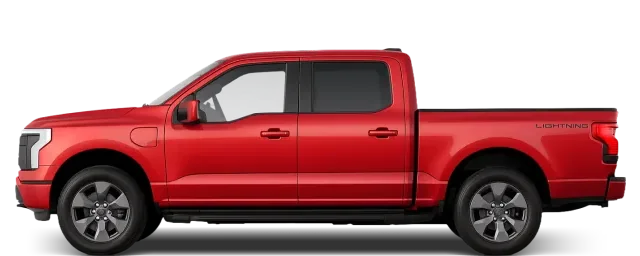
The F-150 Lightning is the tallest of the three and joint narrowest, but still a lane-filler.
Park any of them next to a family SUV and they’ll make it look like a toy car.
Beds, Vaults & Mid-Gates: How They Really Haul
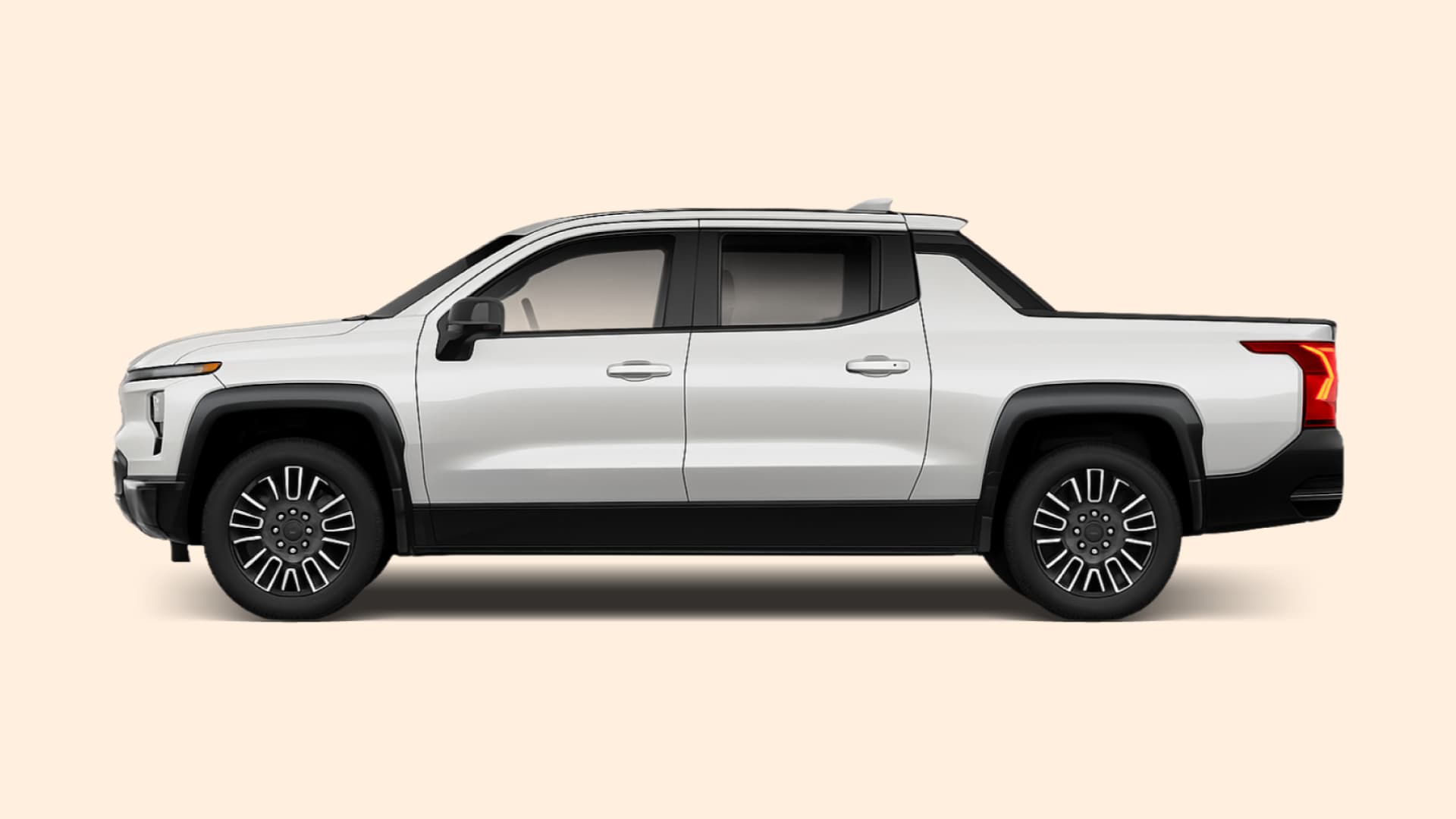
All three claim to swallow a 6 ft sheet of plywood, but their approaches differ.
Cybertruck: one-piece 6 ft “vault” bed under a powered cover — weather-proof, lockable, and shaped for gear more than gravel.
Silverado EV: same 6 ft bed, plus the party trick — a fold-down mid-gate that opens the cabin to stretch load length to 9 ft.
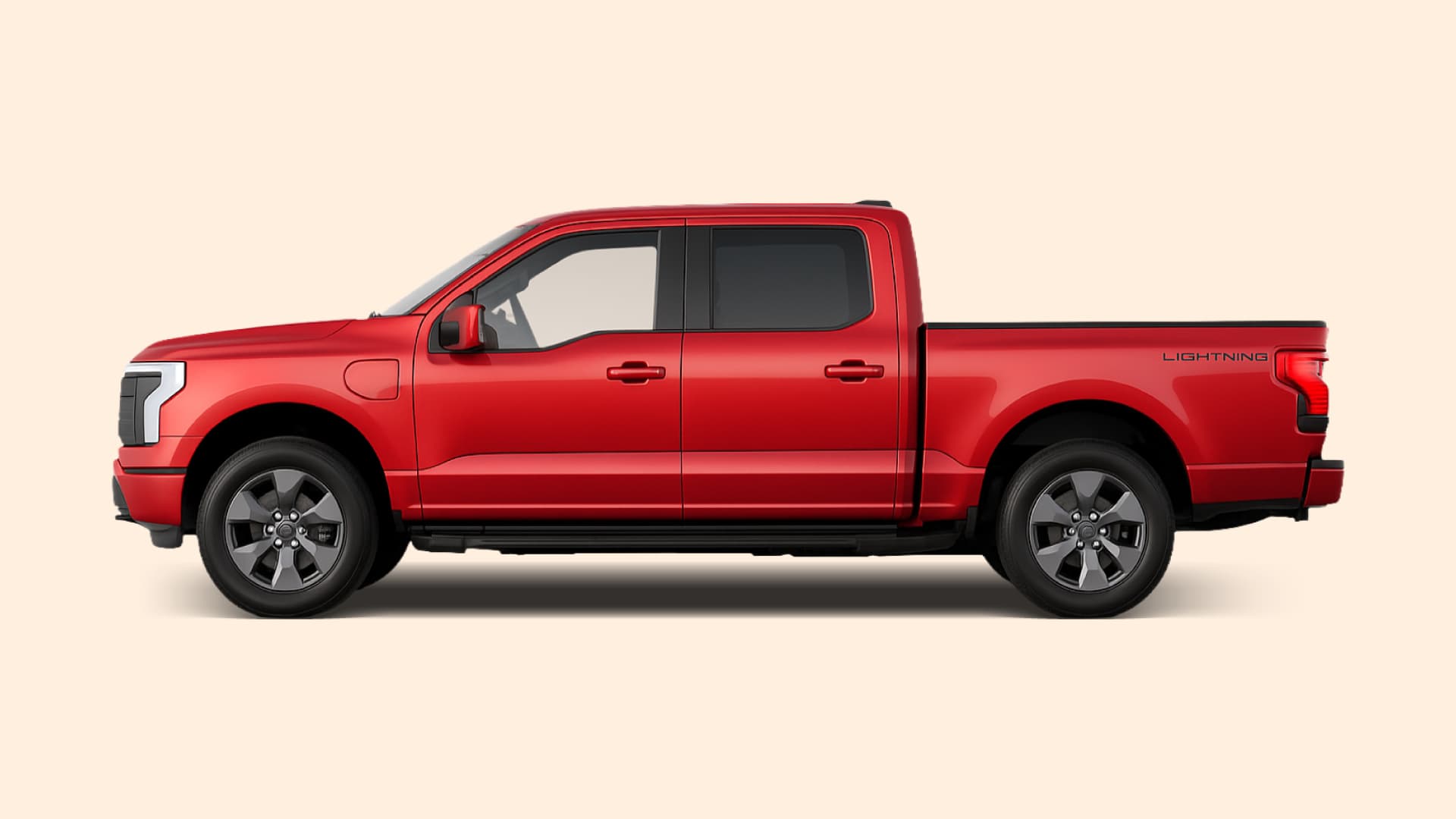
F-150 Lightning: 5.5 ft bed, traditional tailgate, but unmatched for everyday usefulness thanks to its additional 14 cu ft “Mega Power Frunk” (front trunk).
If your week involves timber and ladders, the Silverado’s flexibility wins. If you care about security, the Cybertruck vault rules. For mixed family-and-DIY duty, the Lightning still feels most balanced.
Width including mirrors: Can You Actually Park Them?
A U.S. home garage averages 8.9–9.8 ft wide.
Cybertruck: its body width is 6.7 ft and its width including mirrors is 7.9 ft. The angular body exaggerates its width; sensors and cameras are your friends when trying to park.
Silverado EV: its body width is 6.8 ft, but it has the smallest width including mirrors at 7.82 ft.
F-150 Lightning: Its body width is tied for the smallest, but its 8.0 ft width including mirrors is the greatest, though its classic shape makes the corners easier to judge.
Step In or Step Up: How Tall Are They?
At 5.71 ft, the Cybertruck is unexpectedly low with its “sports pickup” stance.
The Silverado EV and F-150 Lightning hover around 1.98 m, towering over most SUVs.
Published ground-clearance figures:
Cybertruck: 7.9 in in the compared configuration — lower than the F-150 Lightning’s listed figure.
F-150 Lightning: 8.4 in.
At 5.71 ft tall, the Cybertruck’s roofline makes it easier to step into; the Silverado EV and F-150 Lightning sit higher, so shorter drivers will need that grab handle.
Three-Four-Five Point Turns
None of these are city-car agile. The Cybertruck turns in 43.5 ft and the F-150 Lightning in 47.9 ft, making the Tesla tighter of the two.
Cybertruck: 43.5 ft — the tighter turning circle, helped by its shorter wheelbase.
F-150 Lightning: 47.9 ft.
Verdict: Which Electric Pickup Actually Fits Your Life (and Your Driveway)?
All three are enormous, all three are impressive, but they serve different missions.
Cybertruck
The design statement. Shortest and lowest, wide stance, highest listed clearance — feels like an SUV from the future.
Silverado EV
The utility hero. Longest, greatest body width and most configurable bed — the best EV pickup if you want versatility.
F-150 Lightning
The everyday realist. Smallest body width, easiest to live with, and the only one that looks at home outside a DIY store.
If you’ve got a U.S.-sized driveway, any will fit. If you live where streets are older than electricity, the Lightning’s the one you’ll curse least.
FAQs
Frequently asked questions
About the author
Automotive Size Guide Writer and Designer
Ben is a writer and designer at DriveSize, which he has run with Laurence since its launch in 2025. He covers practical vehicle size comparisons, boot and cargo space, parking fit, ground clearance, and the changing dimensions of SUVs, EVs and pickups. His writing focuses on how a car's exterior size relates to its usable space and what those measurements mean for everyday driving. Ben aims to help our readers understand the trade-offs between passenger room, cargo capacity and ease of manoeuvring without treating the largest vehicle or biggest figure as the automatic winner.