
Tesla models





About Tesla
Tesla Dimensions: The Efficiency of Electric Architecture
Tesla’s design philosophy departs from traditional packaging by using a “skateboard” layout where the battery pack is the structural floor. This decouples exterior footprint from interior volume, letting Teslas deliver class-leading utility without the bulk often seen in premium rivals.
“Frunk + Trunk”
The biggest spatial advantage is storage redistribution. With no front engine, every model offers dual-cargo zones that redefine VDA/SAE capacity.
Dual-Trunk Utility: Models like the Model 3 and Model Y add a front trunk (frunk) that’s ideal for keeping charging cables or muddy gear separate from the cabin.
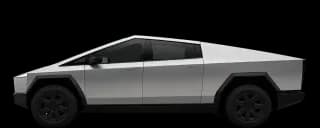
The “Vault” and Underfloor Storage: The Cybertruck pairs its 6-foot “Vault” bed with a hidden under-bed locker. The Model S and Model X use large rear sub-trunks where fuel tanks or exhausts would normally sit, boosting maximum cargo volume.
Minimalist Design & Cabin Volumetrics
Tesla’s minimalist interior is a spatial strategy: central touchscreens and a slim dash reclaim inches typically lost to hardware.
The Flat Floor Advantage: With no transmission tunnel, the wheelbase translates to a fully flat rear floor across the lineup, making middle seats usable and wide enough for three child seats in a Model X or Model Y.
Vertical Space & H-Point: While the Model 3 and Model S stay low for aero, the Model Y and Model X offer a raised seating position (H-point). Combined with the panoramic glass roof, this increases perceived headroom while keeping the centre of gravity low.
Real-World Proportions
Tesla pushes wheels to the corners to maximise wheelbase versus length, reducing overhangs and tightening turning circles. Even the Roadster uses this stance to pair high-performance aero with an efficient footprint.
Whether you’re checking if a Model X fits your garage with mirrors extended or calculating the load-in height of a Model Y, our database provides the measurements you need to visualise life with a Tesla.