
EV vs Combustion Car Sizes: Are Electric Cars Really Bigger? We Compared the Data
Are electric cars actually bigger than petrol cars? We compare EV vs Combustion pairs (Kona & Equinox) to explain size, weight and packaging in clear, real-world terms.
• Written by Laurence
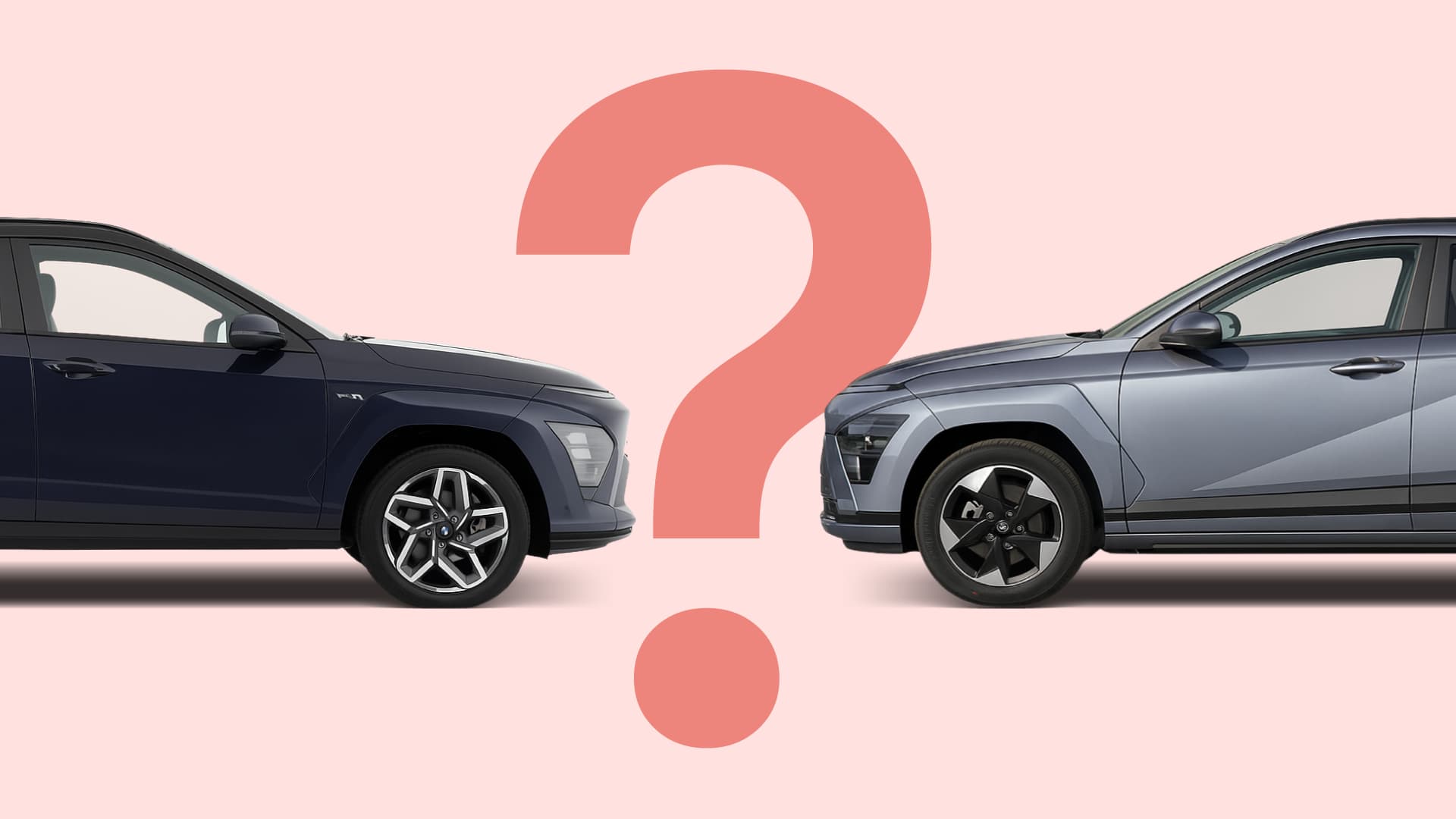
Are electric cars actually bigger than petrol cars, or do they just look bigger?You’ve probably noticed it already: EVs often seem wider, heavier, and longer… but sometimes they’re exactly the same size.
Here’s the truth: EVs aren’t automatically bigger.
But the way EVs are engineered, where the battery goes, whether they share a platform with a combustion model, and how designers package the cabin, can dramatically change their proportions.
To prove both points, we’re using two comparison pairs:
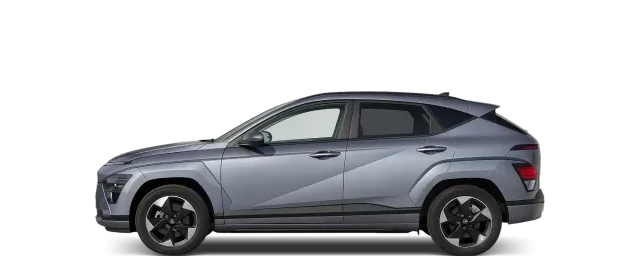
1. When EVs Are Almost the Same Size: Hyundai Kona vs Kona Electric
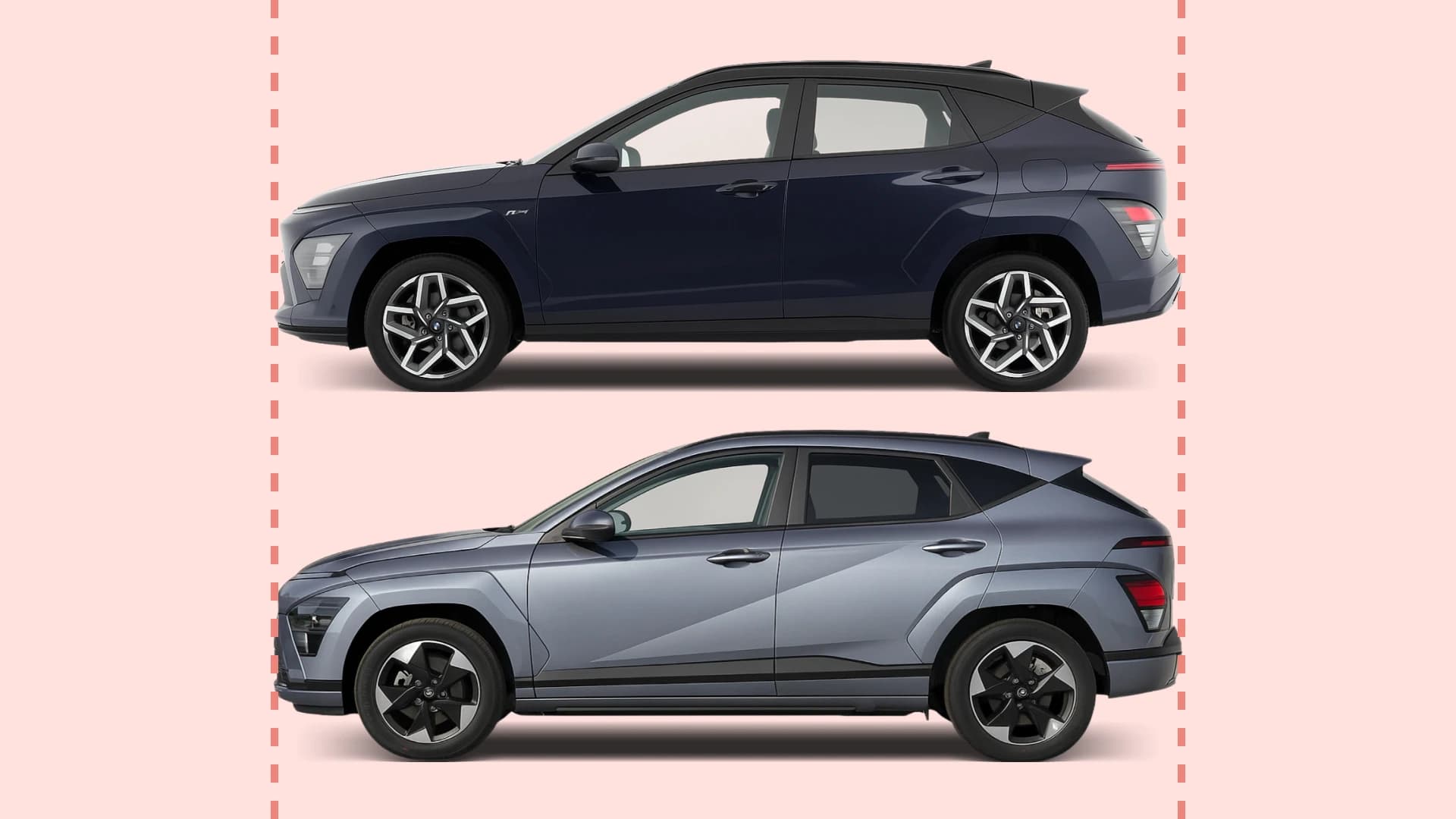
These two cars share the same platform and have a near-identical footprint, although the measurements are not exactly the same. You can see the small differences using our overlay tool:
- Length: Kona 435 cm (171.3 in); Kona Electric 435.6 cm (171.5 in)
- Body width: Kona 182.5 cm (71.9 in); Kona Electric 182.6 cm (71.9 in)
- Height: Kona 158.5 cm (62.4 in); Kona Electric 157.5 cm (62.0 in)
- Wheelbase: Kona 266 cm (104.7 in); Kona Electric 265.9 cm (104.7 in)
- Boot space: both 466 L VDA (16.5 cu ft) with the seats up
- Ground clearance: Kona 17 cm (6.7 in); Kona Electric 15 cm (5.9 in)
- Frunk: Kona Electric 27 L (1.0 cu ft)
The largest difference is weight:
Kona Combustion → 1,295 kg (2,855 lb) vs Kona Electric → 1,620 kg (3,571 lb)
That’s a +325 kg (+717 lb) increase, while the exterior footprint changes by less than a centimetre in length and width.
What this shows
EVs aren’t automatically bigger than their petrol equivalents. When the EV shares its body architecture with the petrol model, its footprint can remain almost unchanged even though weight and a few individual measurements differ.
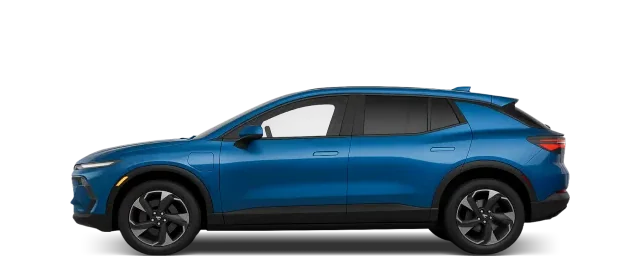
2. When EVs Are Bigger: Chevrolet Equinox vs Equinox EV
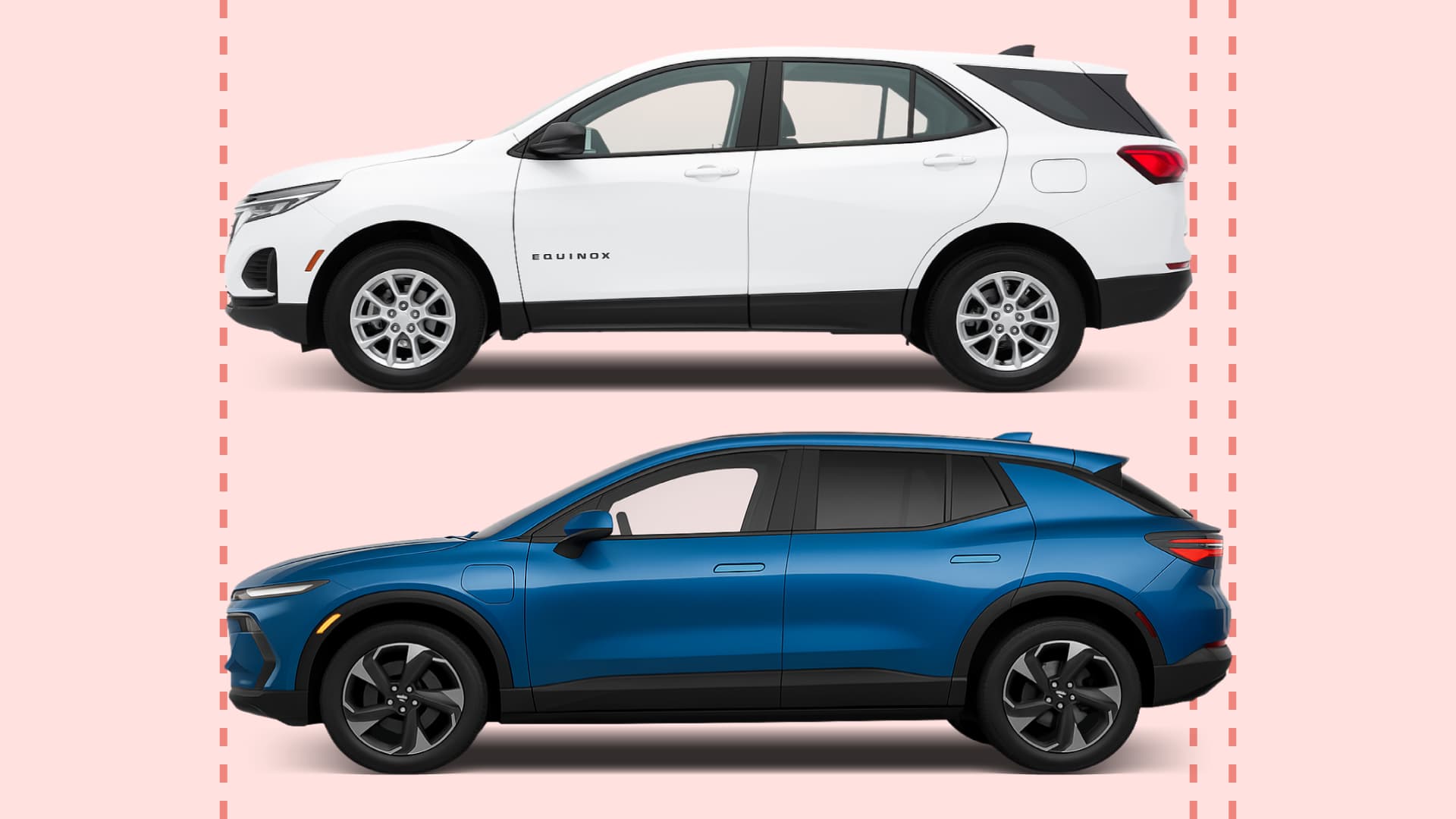
This pair is the opposite to the Kona’s. The Equinox EV doesn’t share a platform, shape or proportions with the latest petrol Equinox, despite the shared name. See for yourself.
Here’s what changes (spoiler… it’s everything):
Length:
- Combustion: 465.1 cm (183.1 in) vs EV: 484 cm (190.6 in)
- → EV is 18.9 cm (7.4 in) longer
Wheelbase:
- Combustion: 272.5 cm (107.3 in) vs EV: 295.4 cm (116.3 in)
- → EV gains 22.9 cm (9 in) between the axles.
Boot volume (seats up - SAE/EPA):
- Combustion: 846 L (29.9 cu ft) vs EV: 748 L (26.4 cu ft)
- → EV has less usable boot space.
Why this is
The Equinox EV isn’t based on the petrol Equinox at all. It uses GM’s dedicated Ultium EV platform, which lets designers stretch the wheelbase and reshape the cabin for battery placement and electric motors.
In other words, the EV grew because Chevy chose to design a new vehicle around the EV hardware, not because an electric car must be bigger.
So… Are EVs Really Bigger? Here’s the real answers.
EVs aren’t always larger
The Hyundai Kona Electric proves it: its length and width are less than one centimetre greater than the petrol version, while it is one centimetre lower.
EVs often get bigger when built on EV-only platforms
The Equinox EV is the best example: Manufacturers can stretch wheelbases and extend bodies to take advantage of dedicated EV architecture.
EVs are always heavier
Every EV version is heavier than its combustion equivalent, this is due to the additional weight of the EV battery.
Boot space doesn’t always benefit, here’s three different variations
Hyundai Kona and Kona EV → same VDA boot space, while the EV also gains a 27-litre frunk
Ford F-150 and F-150 Lightning → the Lightning gains a frunk
Equinox and Equinox EV → The EV loses boot space
Final Verdict
EVs can be bigger, but not because they’re electric... because manufacturers design them differently.
Electric cars only become substantially larger when a manufacturer chooses to redesign the EV on a different platform. When the EV and combustion version share closely related body architecture — like the Hyundai Kona and Kona Electric — their footprints can remain near-identical even though individual measurements and weight differ.
But when the EV sits on a dedicated platform — like the Equinox EV — it can be longer, roomier and shaped very differently from the petrol model.
FAQs
Frequently asked questions

About the author
Automotive Dimensions Editor and Lead Writer
Laurence is the automotive dimensions editor and lead writer at DriveSize, which he has run with Ben since its launch in 2025. He covers vehicle dimensions, model comparisons, EVs and the practical differences between model years, body styles and powertrains. His writing focuses on explaining how measurements such as length, width, height, wheelbase and ground clearance work together. Laurence aims to help our readers understand what the figures show, how apparently similar cars can differ and which differences are likely to matter in everyday use.