
2024 Hyundai Santa Fe vs 2023 Toyota Corolla Hatchback
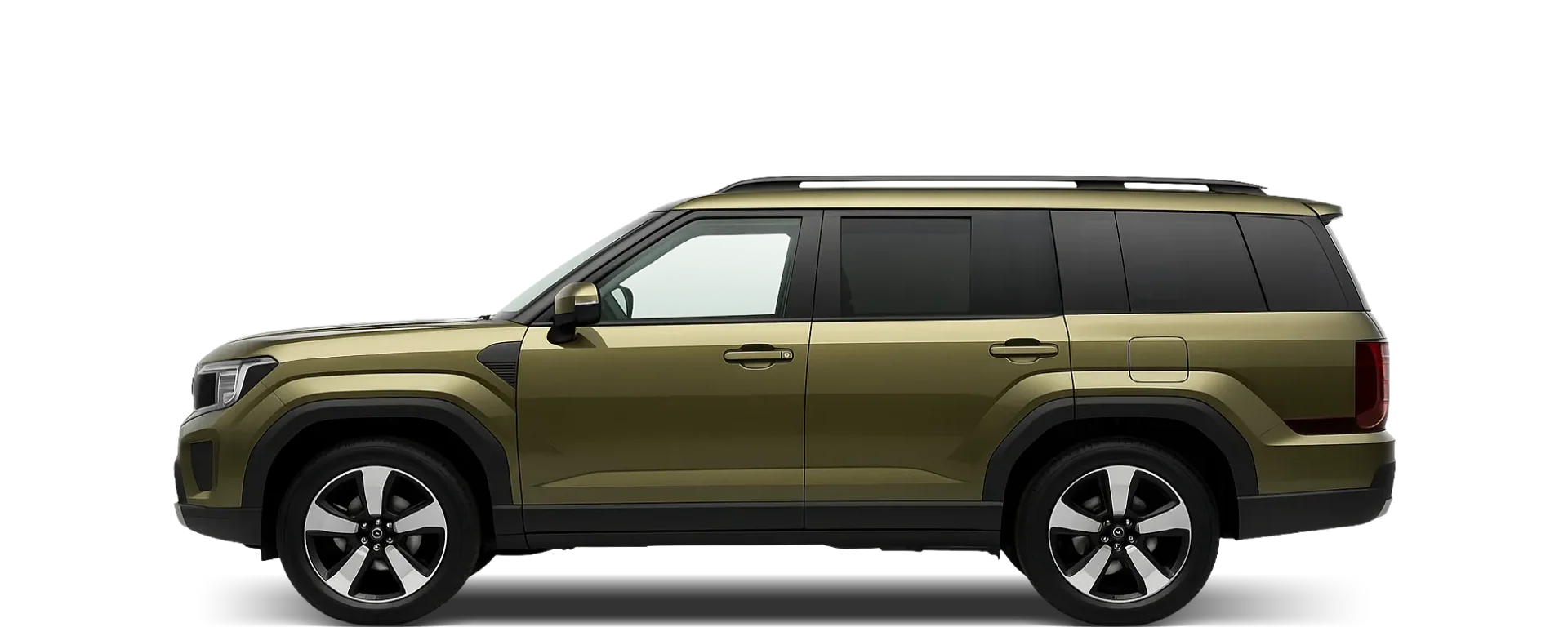
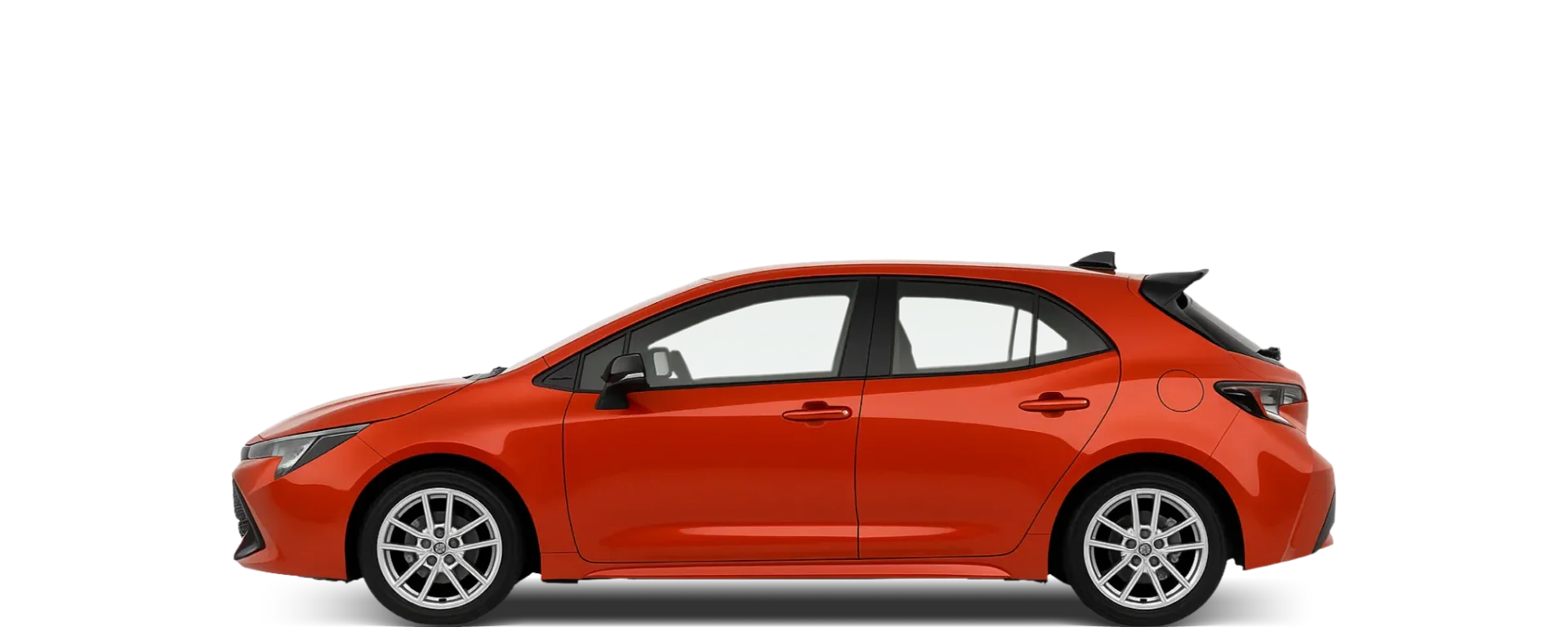
Which is bigger, the 2024 Hyundai Santa Fe or 2023 Toyota Corolla Hatchback?
Key dimensions: length, width, height
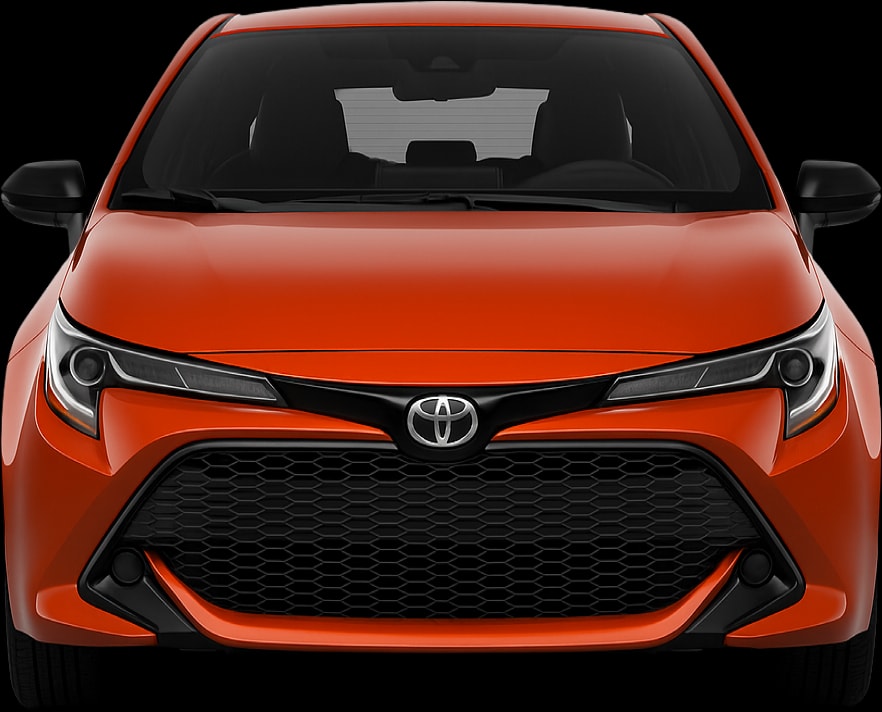
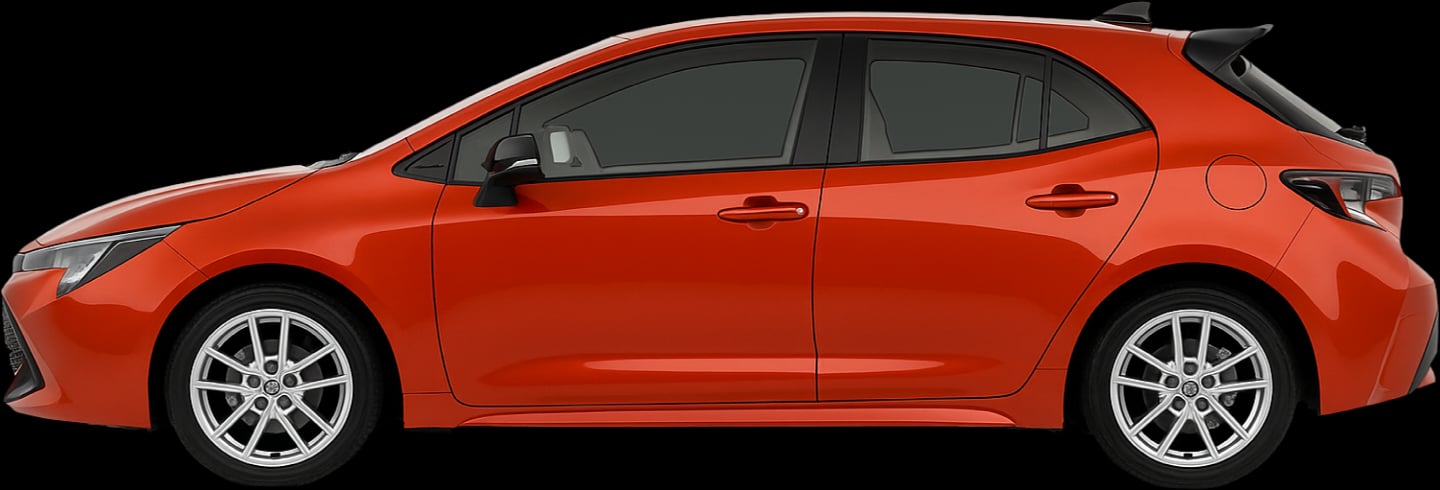
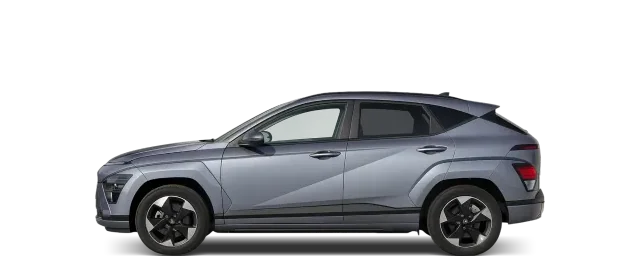
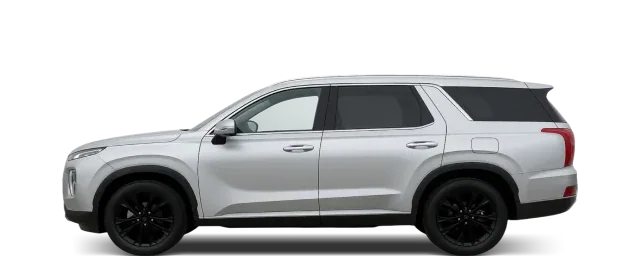
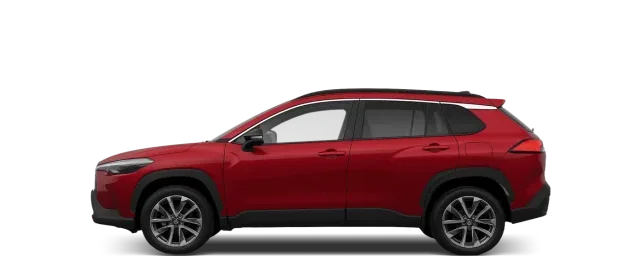
Measured bumper to bumper, 2024 Hyundai Santa Fe extends 46.1 cm beyond 2023 Toyota Corolla Hatchback, marking a substantial length advantage. You might notice the 10.9 cm width difference when parking; the 2024 Hyundai Santa Fe leaves a little less margin for error in the bay compared to the 2023 Toyota Corolla Hatchback. Height heavily favours the 2024 Hyundai Santa Fe, which measures 33 cm taller than the 2023 Toyota Corolla Hatchback. The 2024 Hyundai Santa Fe is 4.7 cm less likely to scrape its chin on a steep ramp than the 2023 Toyota Corolla Hatchback thanks to its higher ground clearance. With a 17.6 cm longer wheelbase, the 2024 Hyundai Santa Fe steps into a more comfortable tier of ride quality than the 2023 Toyota Corolla Hatchback.
Measurements
Length
483 cm (+46.1)
436.9 cm
Height
178 cm (+33)
145 cm
Body width
190 cm (+10.9)
179.1 cm
Ground clearance
17.7 cm (+4.7)
13 cm
Wheelbase
281.5 cm (+17.6)
263.9 cm
Footprint
DriveSize footprint is overall length multiplied by body width.
9.2 m² (+1.4)
7.8 m²
How each car compares with its class average
Length
483 cm
30.4 cm longer than the average Crossover
436.9 cm
21.7 cm longer than the average Hatchback
Height
178 cm
15.2 cm taller than the average Crossover
145 cm
2.9 cm shorter than the average Hatchback
Body width
190 cm
5.1 cm wider than the average Crossover
179.1 cm
2.6 cm wider than the average Hatchback
Ground clearance
17.7 cm
0.4 cm less ground clearance than the average Crossover
13 cm
0.9 cm less ground clearance than the average Hatchback
Wheelbase
281.5 cm
9.1 cm longer wheelbase than the average Crossover
263.9 cm
4.8 cm longer wheelbase than the average Hatchback
Footprint
DriveSize footprint is overall length multiplied by body width.
9.2 m²
0.8 m² larger footprint than the average Crossover
7.8 m²
0.5 m² larger footprint than the average Hatchback
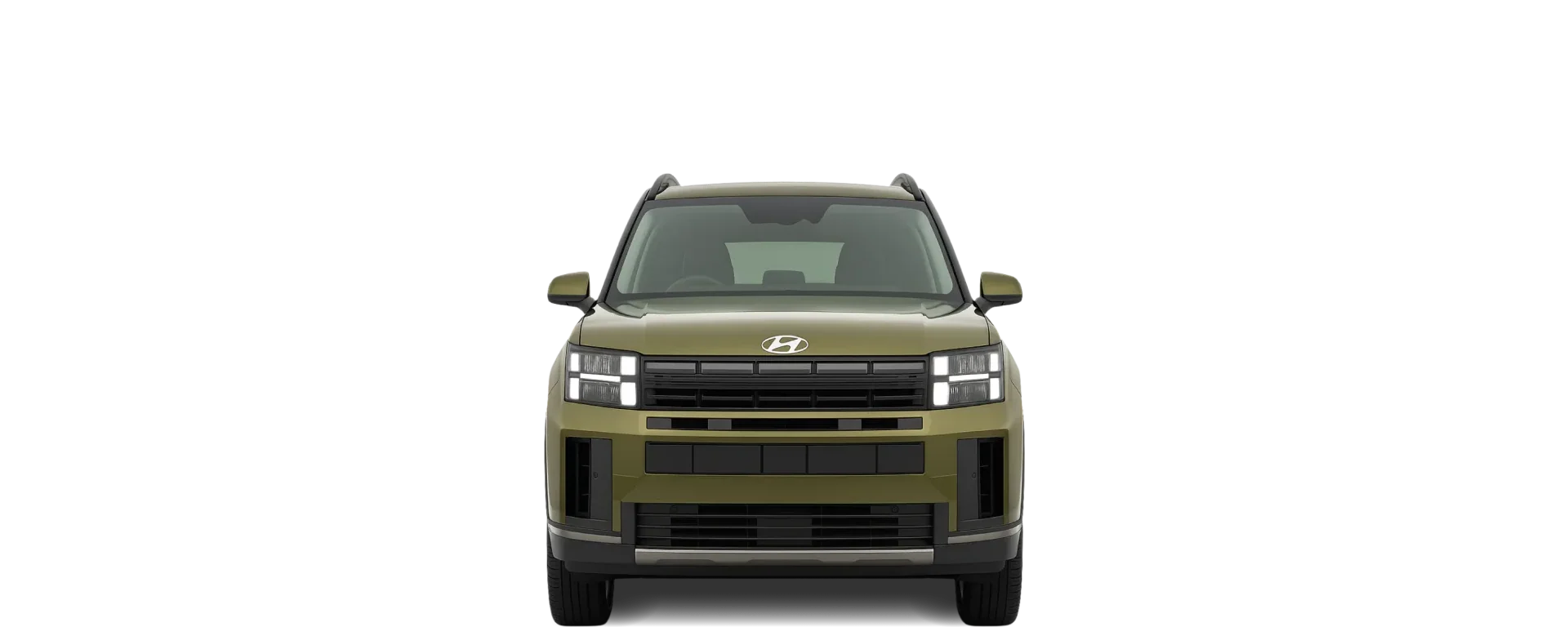
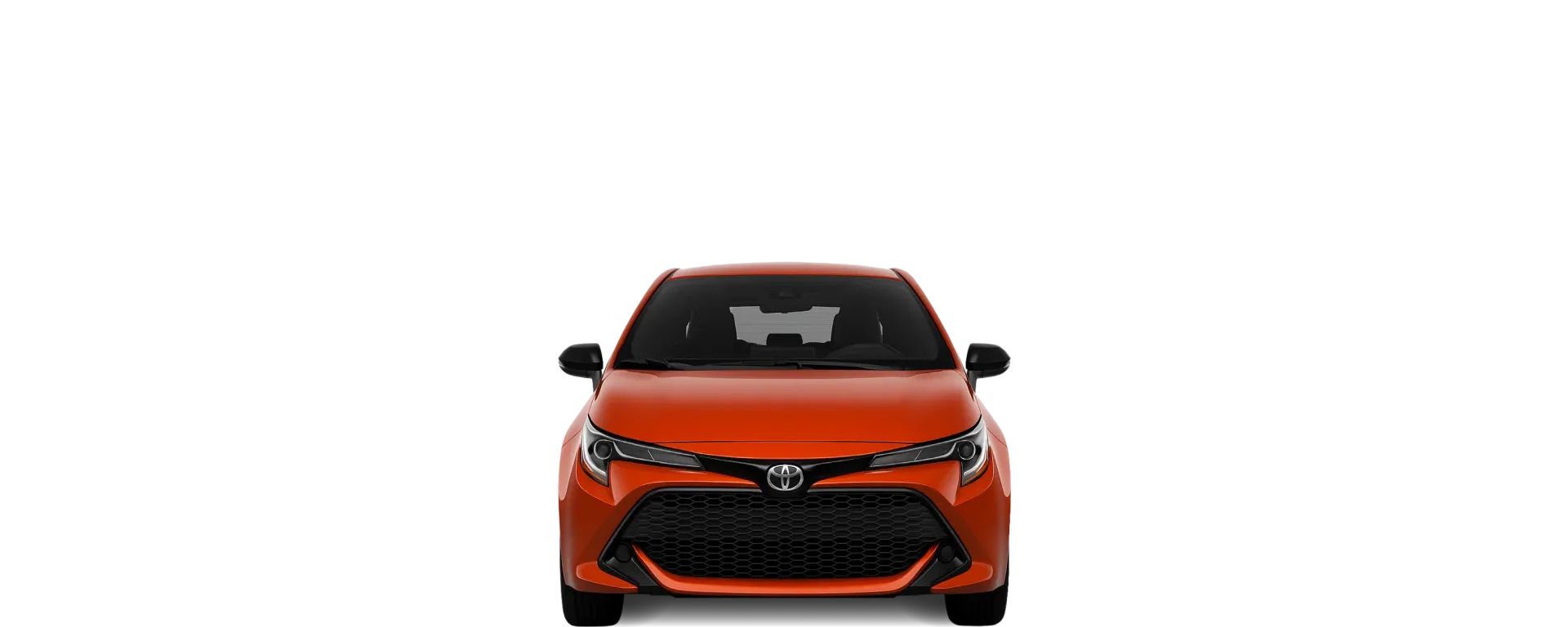
Front view
Cargo Capacity: which has more space?
Standard and largest cargo capacity
With an extra 91 L (SAE) of boot space on offer with the seats up, the 2023 Toyota Corolla Hatchback could roughly accommodate an additional a large check-in suitcase that would struggle to fit in the 2024 Hyundai Santa Fe. The 2024 Hyundai Santa Fe's 1,949 L (VDA) capacity with the seats down is way above average for its segment.
Measurements
Standard cargo capacity (VDA)
The standard cargo capacity using VDA, the method commonly used globally.
This is the manufacturer's normal published figure; it does not imply a particular seat configuration.
628 L
N/A
Largest cargo capacity (VDA)
The largest cargo capacity using VDA, the method commonly used globally.
If only one VDA figure is published, the standard and largest values are the same.
1,949 L
N/A
Standard cargo capacity (SAE)
The standard cargo capacity using SAE, the method commonly used in the US.
This is the manufacturer's normal published figure; it does not imply a particular seat configuration.
413 L
504 L (+91)
Largest cargo capacity (SAE)
The largest cargo capacity using SAE, the method commonly used in the US.
If only one SAE figure is published, the standard and largest values are the same.
2,254 L
N/A
Cargo space vs length
This DriveSize metric divides blended cargo volume by overall vehicle length.
Blended cargo uses 65% of the standard figure and 35% of the largest figure, using VDA where available and SAE otherwise.
225.7 L per m
N/A
Cargo space vs footprint
This DriveSize metric divides blended cargo volume by footprint.
Blended cargo uses 65% of the standard figure and 35% of the largest figure, using VDA where available and SAE otherwise.
It helps show how efficiently a car turns exterior area into usable cargo space.
118.8 L per m²
N/A
How each car compares with its class average
Standard cargo capacity (VDA)
The standard cargo capacity using VDA, the method commonly used globally.
This is the manufacturer's normal published figure; it does not imply a particular seat configuration.
628 L
183 L more cargo volume than the average Crossover
N/A
Largest cargo capacity (VDA)
The largest cargo capacity using VDA, the method commonly used globally.
If only one VDA figure is published, the standard and largest values are the same.
1,949 L
441 L more cargo volume than the average Crossover
N/A
Standard cargo capacity (SAE)
The standard cargo capacity using SAE, the method commonly used in the US.
This is the manufacturer's normal published figure; it does not imply a particular seat configuration.
413 L
326 L less cargo volume than the average Crossover
504 L
21 L less cargo volume than the average Hatchback
Largest cargo capacity (SAE)
The largest cargo capacity using SAE, the method commonly used in the US.
If only one SAE figure is published, the standard and largest values are the same.
2,254 L
383 L more cargo volume than the average Crossover
N/A
DriveSize space efficiency
DriveSize space efficiency compares blended cargo volume per square meter of footprint with the class average.
Blended cargo uses 65% of the standard figure and 35% of the largest figure within the selected cargo measurement method.
VDA values compare with VDA class averages, and SAE values compare with SAE class averages. Positive percentages indicate more space efficiency and negative percentages indicate less.
+20%
VDA: More space efficient than the average Crossover
Rear view
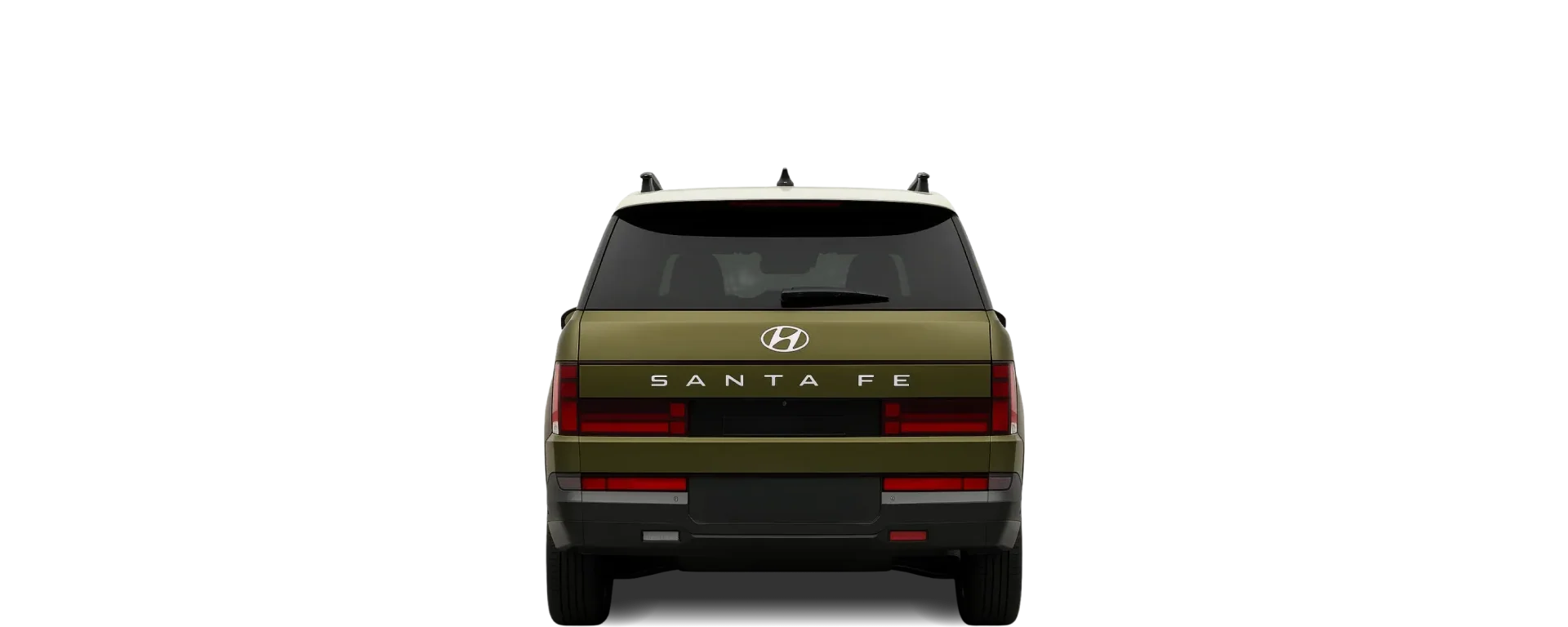
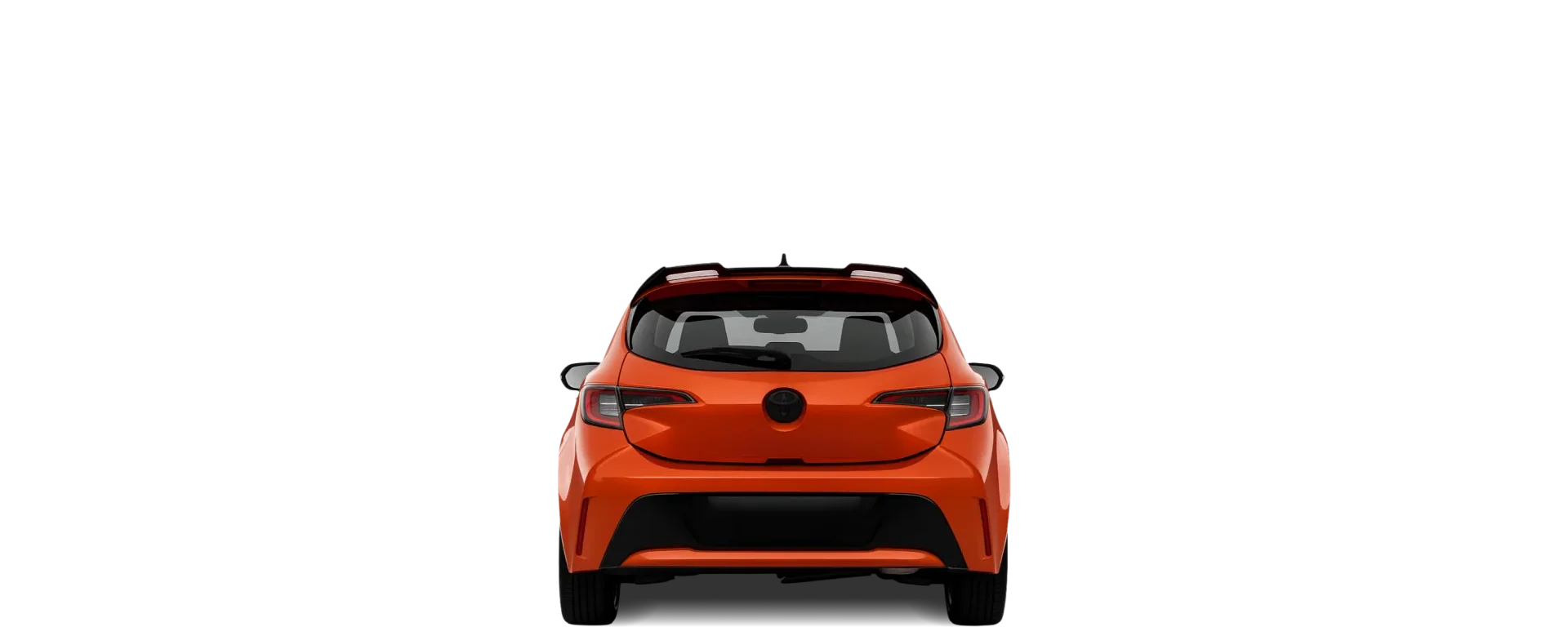
Details
Doors, seats, weight, maneuverability
Both the 2024 Hyundai Santa Fe and 2023 Toyota Corolla Hatchback feature a 5-door configuration, offering the same level of accessibility for passengers. Opting for the 2024 Hyundai Santa Fe greatly expands your passenger options, thanks to its 2-seat advantage over the 2023 Toyota Corolla Hatchback. There's a monumental difference in mass; the 2024 Hyundai Santa Fe is a staggering 512 kg heavier than the 2023 Toyota Corolla Hatchback.
Measurements
Doors
5
5
Max. seats
7 (+2)
5
Turning circle
11.6 m
N/A
Curb weight
1,900 kg (+512)
1,388 kg
How each car compares with its class average
Turning circle
11.6 m
0.4 m larger turning circle than the average Crossover
N/A
Curb weight
1,900 kg
268 kg heavier than the average Crossover
1,388 kg
135 kg heavier than the average Hatchback
DriveSize manoeuvrability
DriveSize manoeuvrability combines turning circle and footprint, with turning circle weighted more heavily.
A positive percentage means more manoeuvrable than the class average and a negative percentage means less manoeuvrable.
-5%
Less manoeuvrable than the average Crossover
Parking
Will the 2024 Hyundai Santa Fe or 2023 Toyota Corolla Hatchback fit in a standard parking space?
2024 Hyundai Santa Fe parking fit score
DriveSize compares the car's width and length with typical parking-space sizes by region.
Vehicle dimensions are rounded up and available side or length clearance is rounded down.
Side clearance is based on body width where available; real spaces can vary because of mirrors, walls, pillars, kerbs, bay markings, and nearby cars.
For an average USA / Canada space: body side clearance is 42.5 cm per side, and length clearance is 33.5 cm at each end.
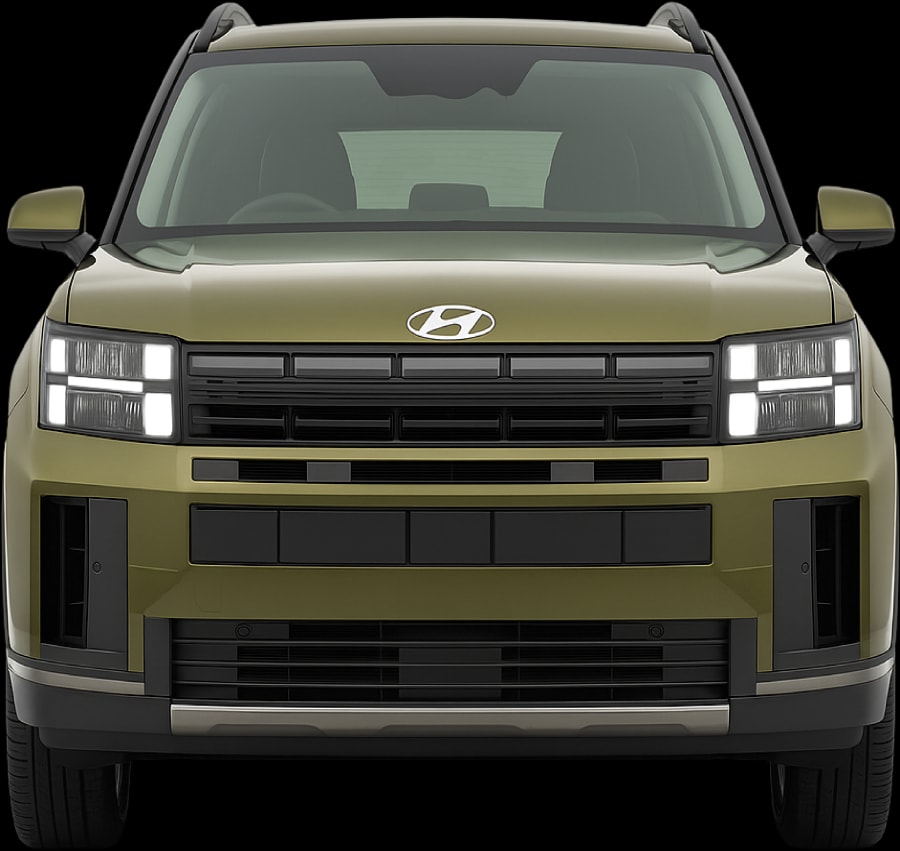
Body side clearance
42.5 cm
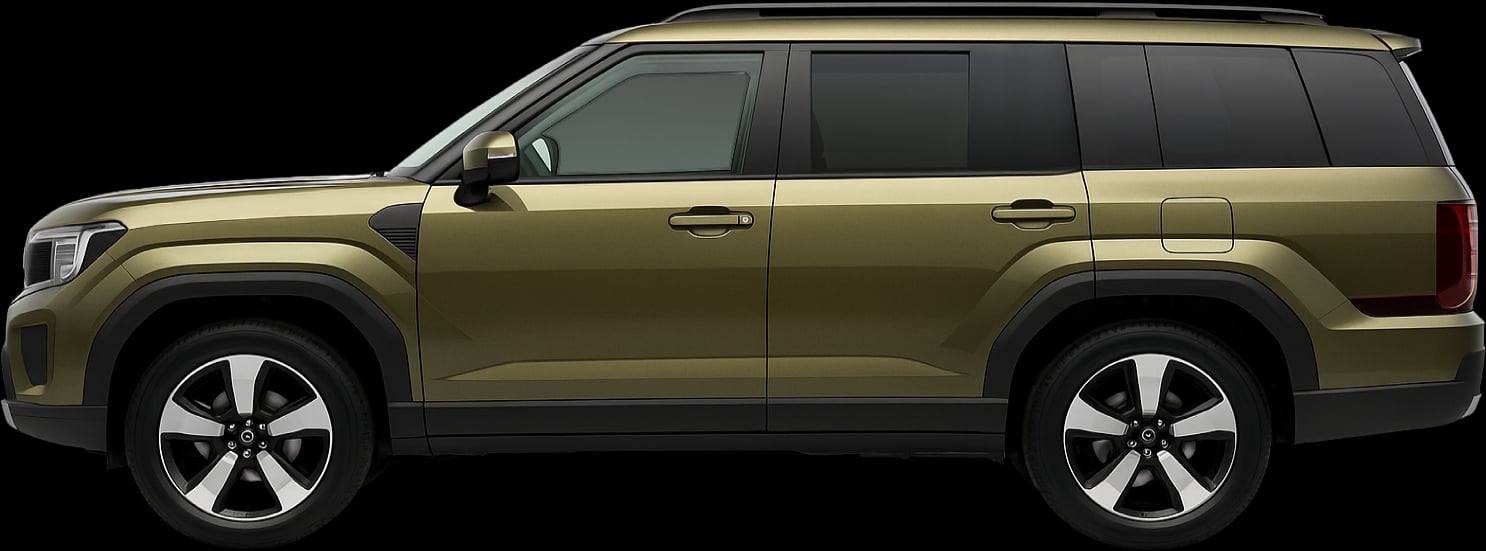
Length clearance (at each end)
33.5 cm
2023 Toyota Corolla Hatchback parking fit score
DriveSize compares the car's width and length with typical parking-space sizes by region.
Vehicle dimensions are rounded up and available side or length clearance is rounded down.
Side clearance is based on body width where available; real spaces can vary because of mirrors, walls, pillars, kerbs, bay markings, and nearby cars.
For an average USA / Canada space: body side clearance is 47.5 cm per side, and length clearance is 56.5 cm at each end.
Body side clearance
47.5 cm
Length clearance (at each end)
56.5 cm
Articles featuring these cars
View all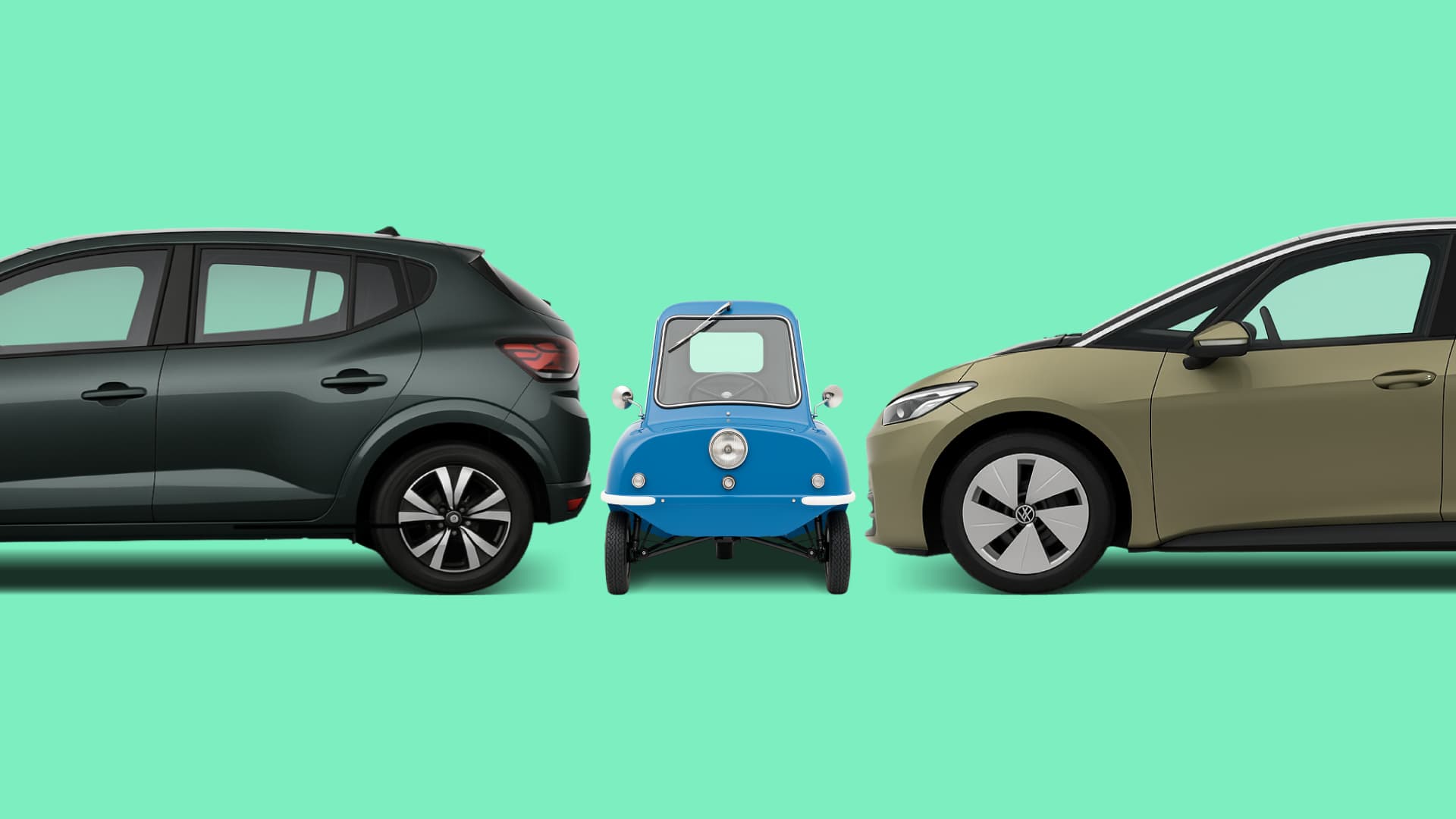
Smallest Car in the World? Peel P50 vs Today’s City Cars (Sandero, Golf & More)
How tiny is the Peel P50? See it compared to today’s city cars including the VW Golf, Toyota Corolla, Dacia Sandero, VW Polo and ID.3 in real dimensions.
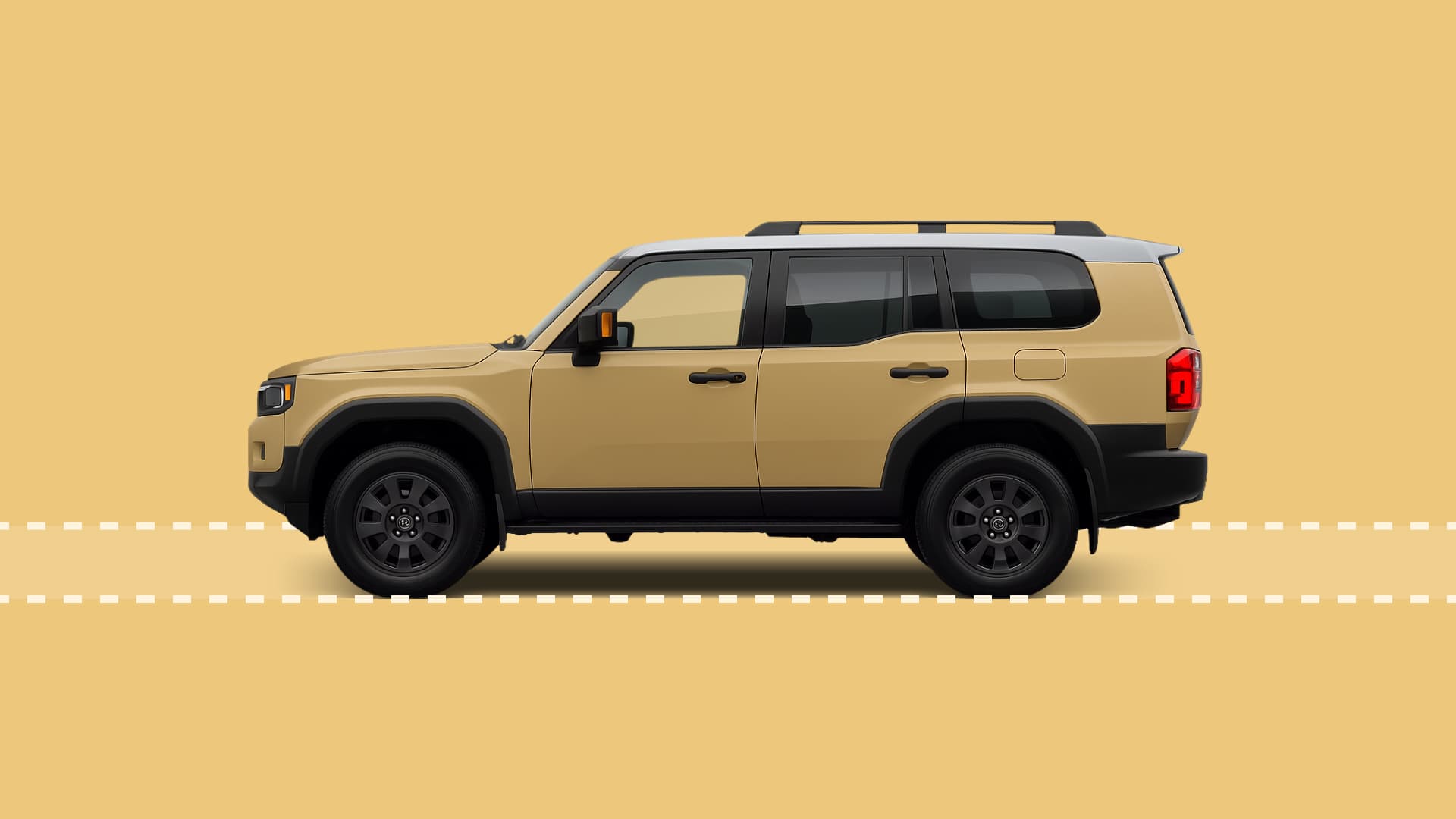
What Is Ground Clearance? Why does it matter for SUVs, and which have the most
Clear explanation of SUV ground clearance, how much you really need, and which SUVs offer the most — using real measurements you can compare side-by-side on Drivesize.
FAQs
Frequently asked questions
Vehicle specifications on this page are sourced from official Hyundai and Toyota documentation. Unless the page identifies a specific trim, body style, powertrain or market version, DriveSize uses manufacturer-published specifications for the base model as its default reference. DriveSize standardises the published measurements and calculates the comparisons and derived figures shown. Figures can vary by market, model year, trim, powertrain, wheels, tyres and measurement method. How DriveSize sources and calculates these figures.