
2018 Jeep Wrangler vs 2023 Toyota Prius
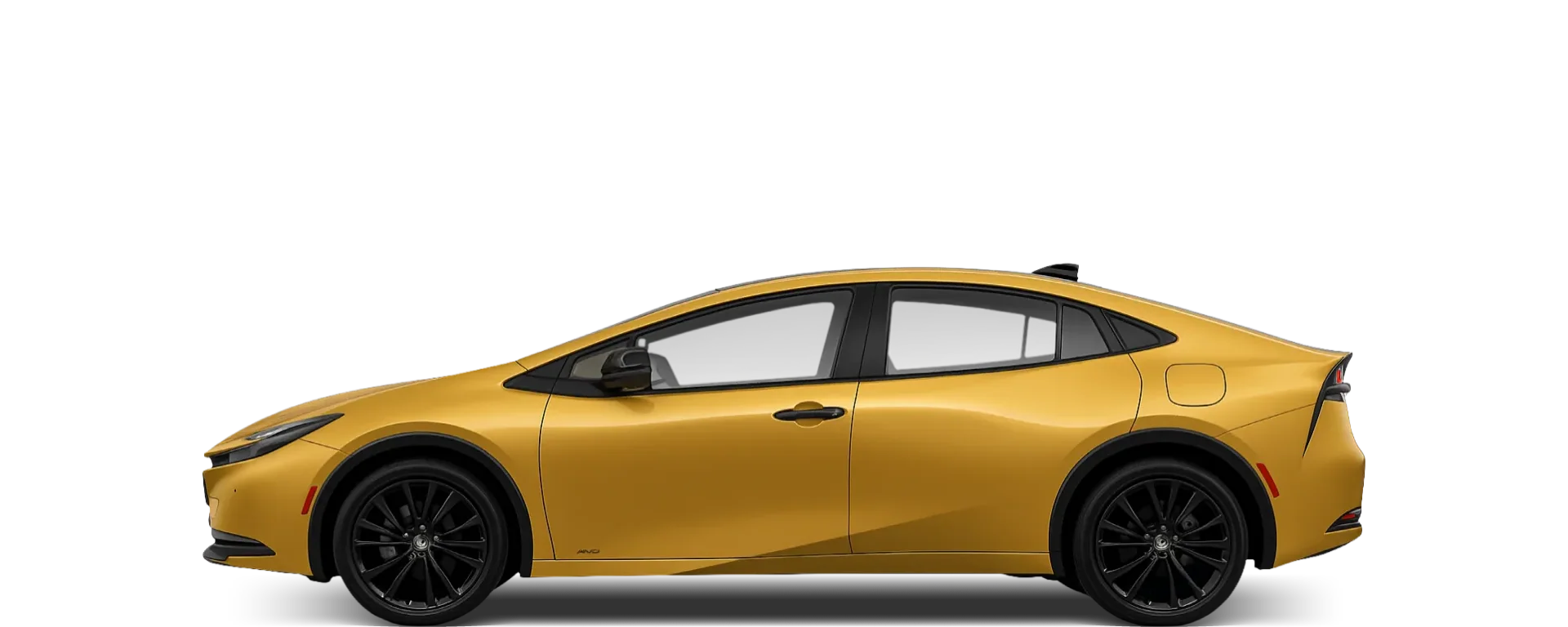
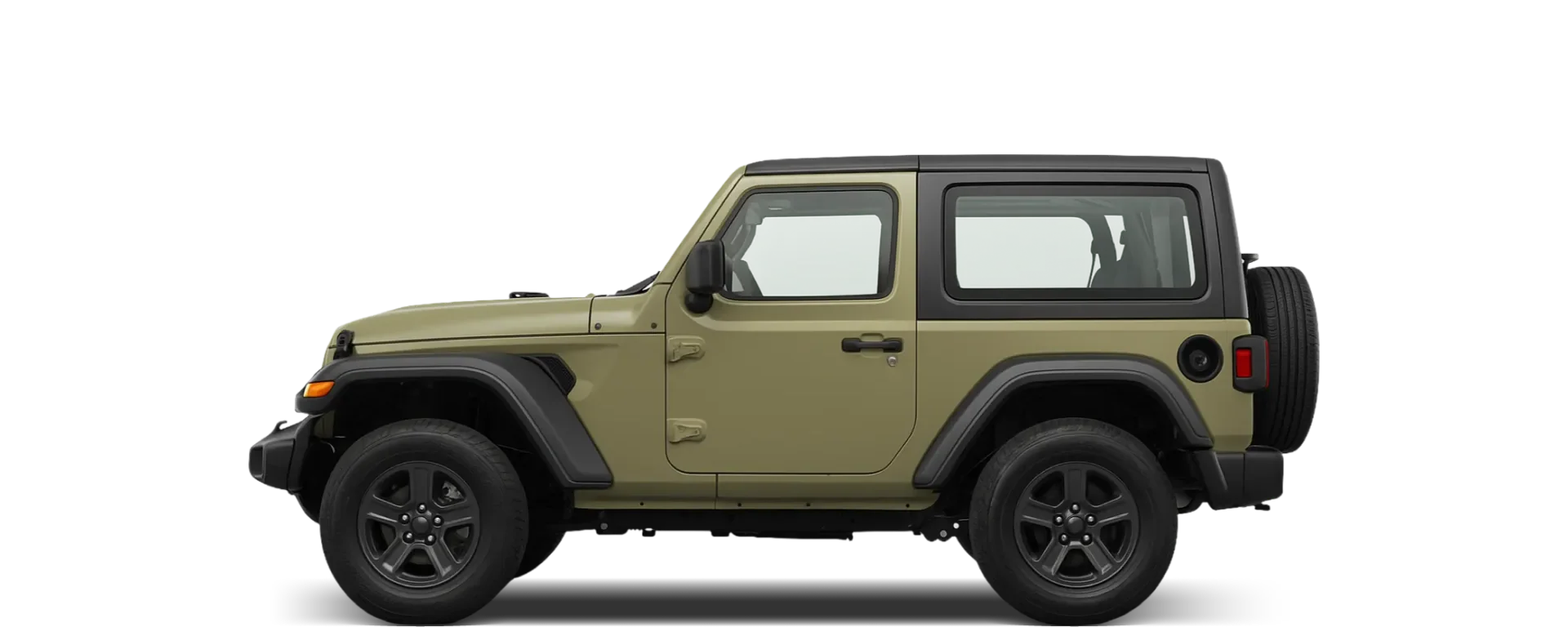
Which is bigger, the 2018 Jeep Wrangler or 2023 Toyota Prius?
Key dimensions: length, width, height
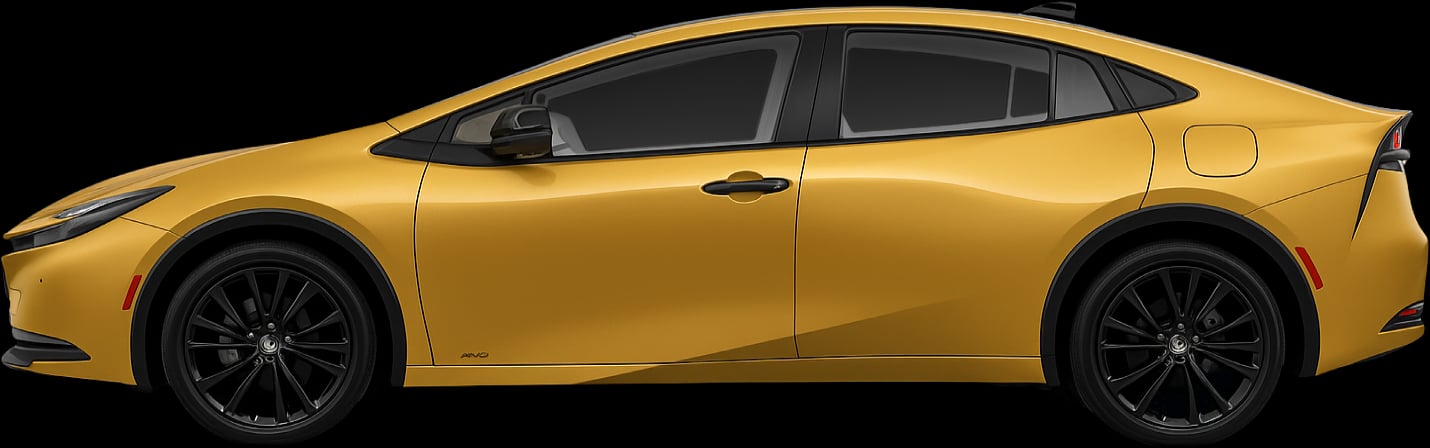
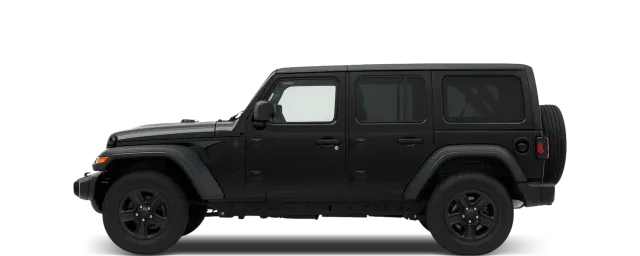
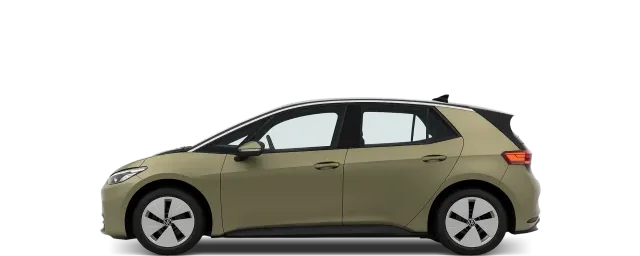
The 2023 Toyota Prius sits 36.2 cm longer than the 2018 Jeep Wrangler, representing a noticeable step up in total length. The 2018 Jeep Wrangler is significantly wider, which may offer more shoulder room inside but could make tight parking garages more challenging. The roofline of the 2018 Jeep Wrangler is 44.8 cm higher than that of the 2023 Toyota Prius, making the contrast immediately noticeable. The 2018 Jeep Wrangler clears an additional 10.9 cm from the ground, ensuring its undercarriage stays safer from the road than the 2023 Toyota Prius. The 2023 Toyota Prius offers a slightly longer wheelbase, which typically translates to a smoother ride over bumps.
Measurements
Length
423.7 cm
459.9 cm (+36.2)
Height
186.8 cm (+44.8)
142 cm
Body width
187.5 cm (+9.3)
178.2 cm
Ground clearance
24.6 cm (+10.9)
13.7 cm
Wheelbase
246 cm
275 cm (+29)
Footprint
DriveSize footprint is overall length multiplied by body width.
7.9 m²
8.2 m² (+0.3)
How each car compares with its class average
Length
423.7 cm
71.7 cm shorter than the average SUV
459.9 cm
44.7 cm longer than the average Hatchback
Height
186.8 cm
3.3 cm shorter than the average SUV
142 cm
5.9 cm shorter than the average Hatchback
Body width
187.5 cm
8.2 cm narrower than the average SUV
178.2 cm
1.7 cm wider than the average Hatchback
Ground clearance
24.6 cm
2.1 cm more ground clearance than the average SUV
13.7 cm
0.2 cm less ground clearance than the average Hatchback
Wheelbase
246 cm
44.1 cm shorter wheelbase than the average SUV
275 cm
15.9 cm longer wheelbase than the average Hatchback
Footprint
DriveSize footprint is overall length multiplied by body width.
7.9 m²
1.8 m² smaller footprint than the average SUV
8.2 m²
0.9 m² larger footprint than the average Hatchback
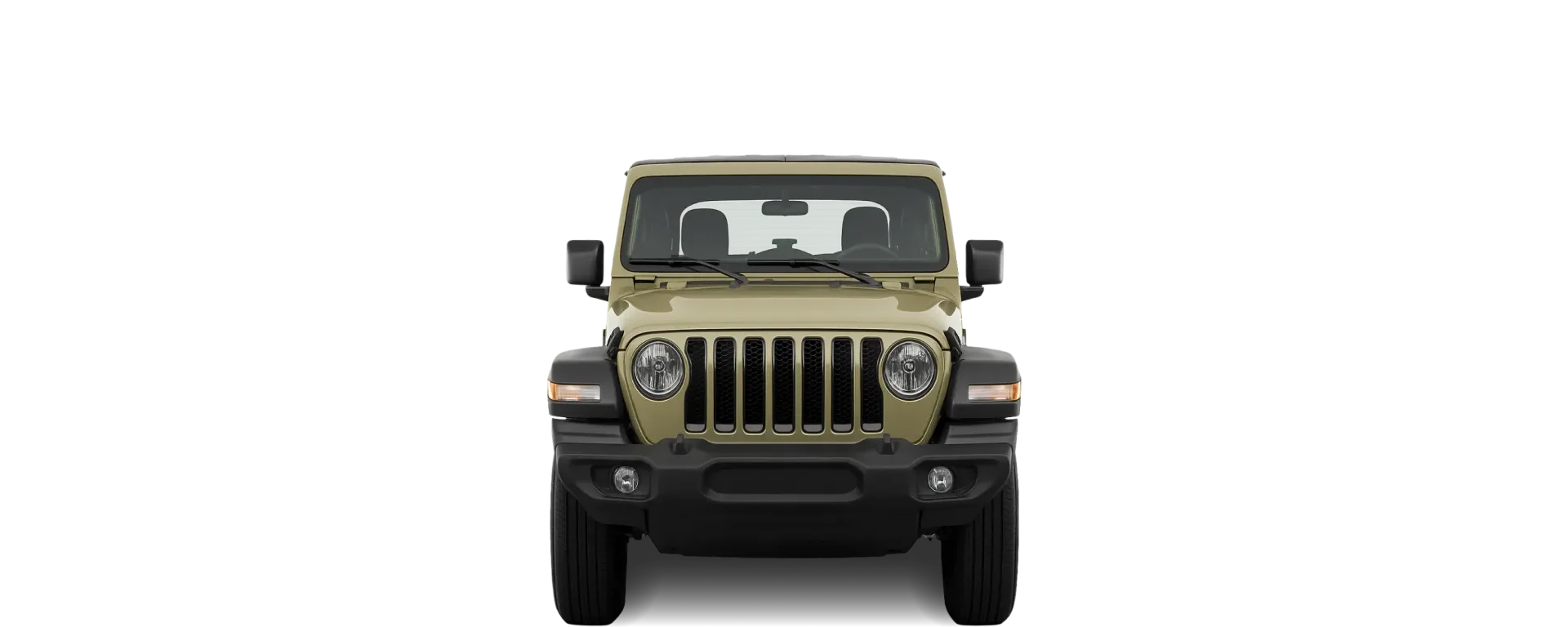
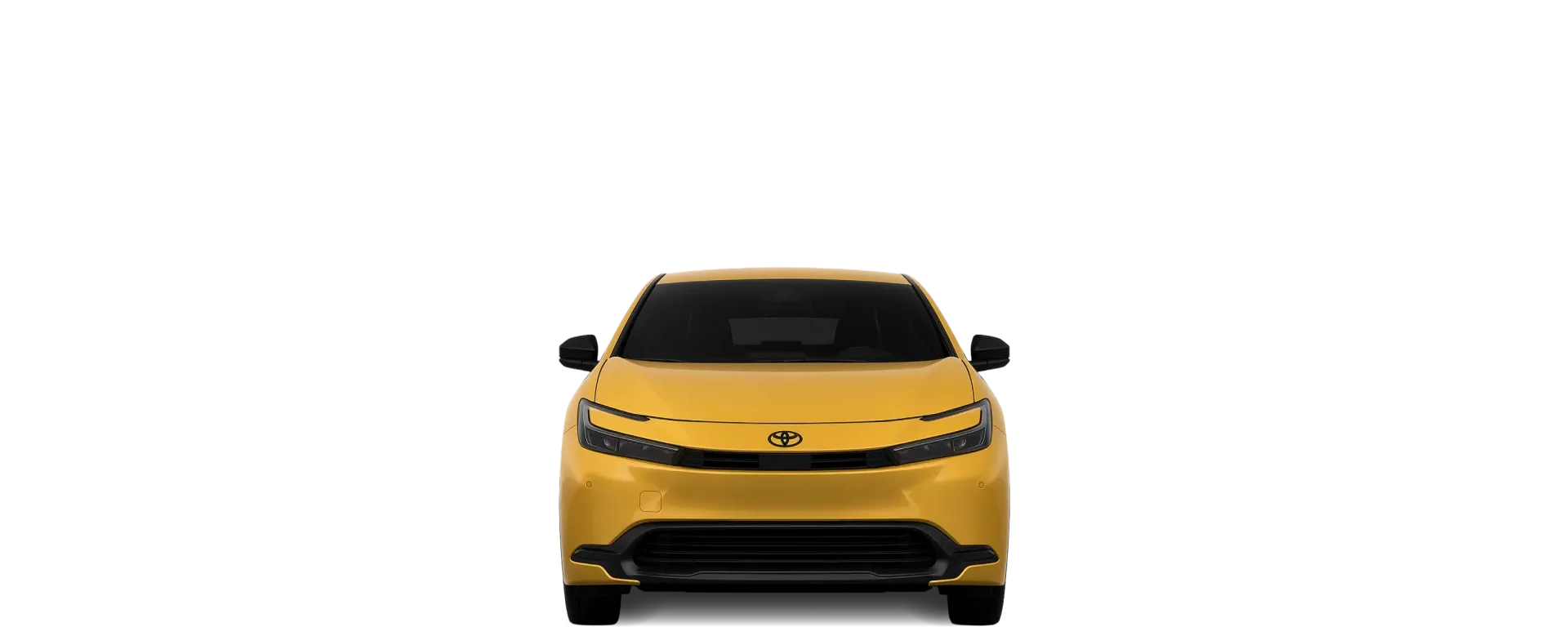
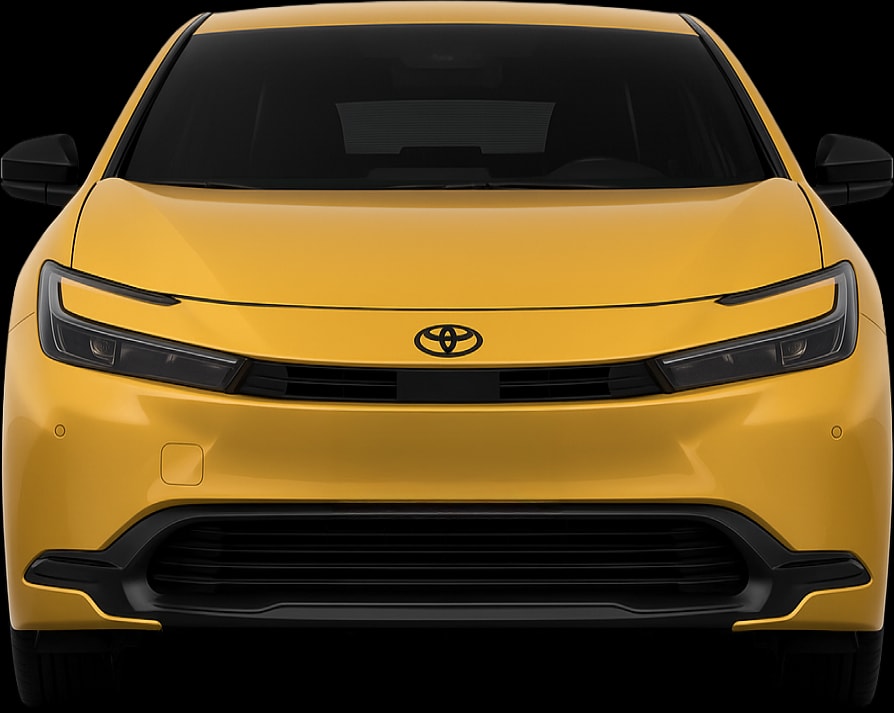
Front view
Cargo Capacity: which has more space?
Standard and largest cargo capacity
The 2023 Toyota Prius provides a below average 284 L for the hatchback segment for cargo space with the seats up.
Measurements
Standard cargo capacity (VDA)
The standard cargo capacity using VDA, the method commonly used globally.
This is the manufacturer's normal published figure; it does not imply a particular seat configuration.
N/A
284 L
Standard cargo capacity (SAE)
The standard cargo capacity using SAE, the method commonly used in the US.
This is the manufacturer's normal published figure; it does not imply a particular seat configuration.
N/A
674 L
How each car compares with its class average
Standard cargo capacity (VDA)
The standard cargo capacity using VDA, the method commonly used globally.
This is the manufacturer's normal published figure; it does not imply a particular seat configuration.
N/A
284 L
59 L less cargo volume than the average Hatchback
Standard cargo capacity (SAE)
The standard cargo capacity using SAE, the method commonly used in the US.
This is the manufacturer's normal published figure; it does not imply a particular seat configuration.
N/A
674 L
149 L more cargo volume than the average Hatchback
Rear view
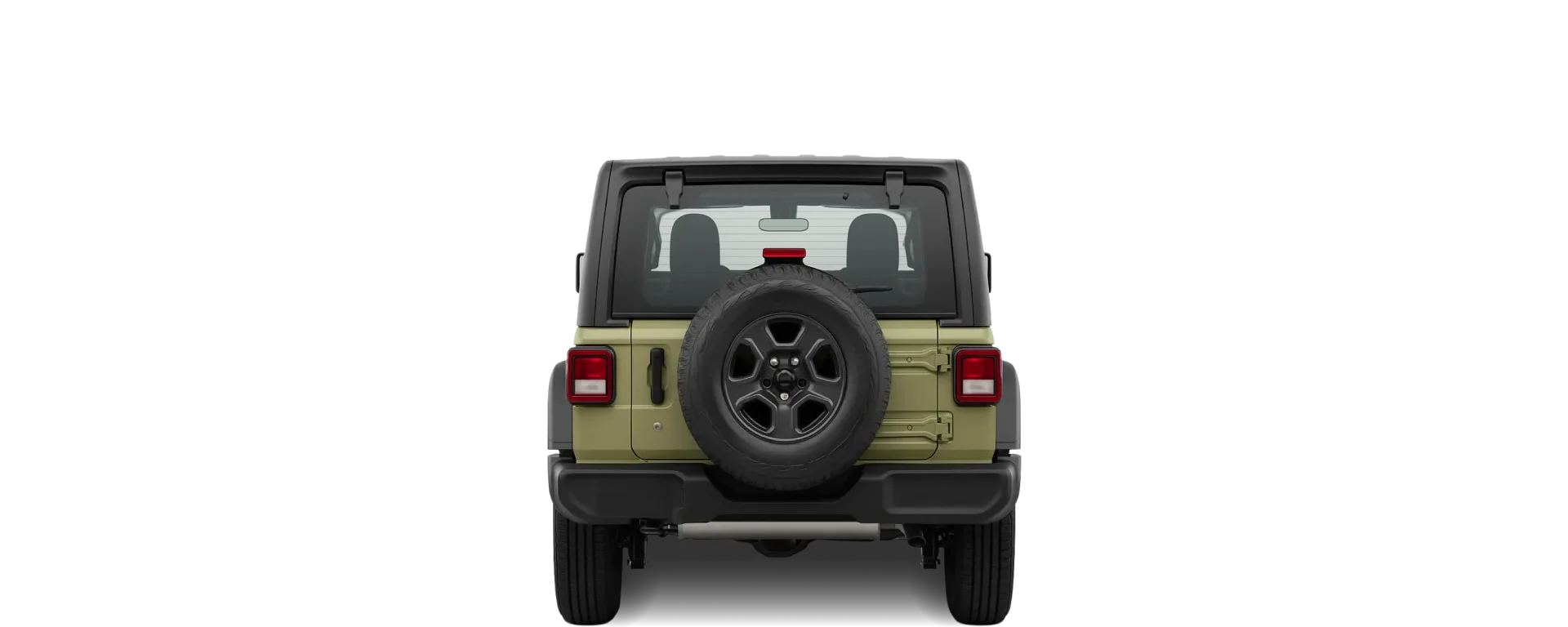
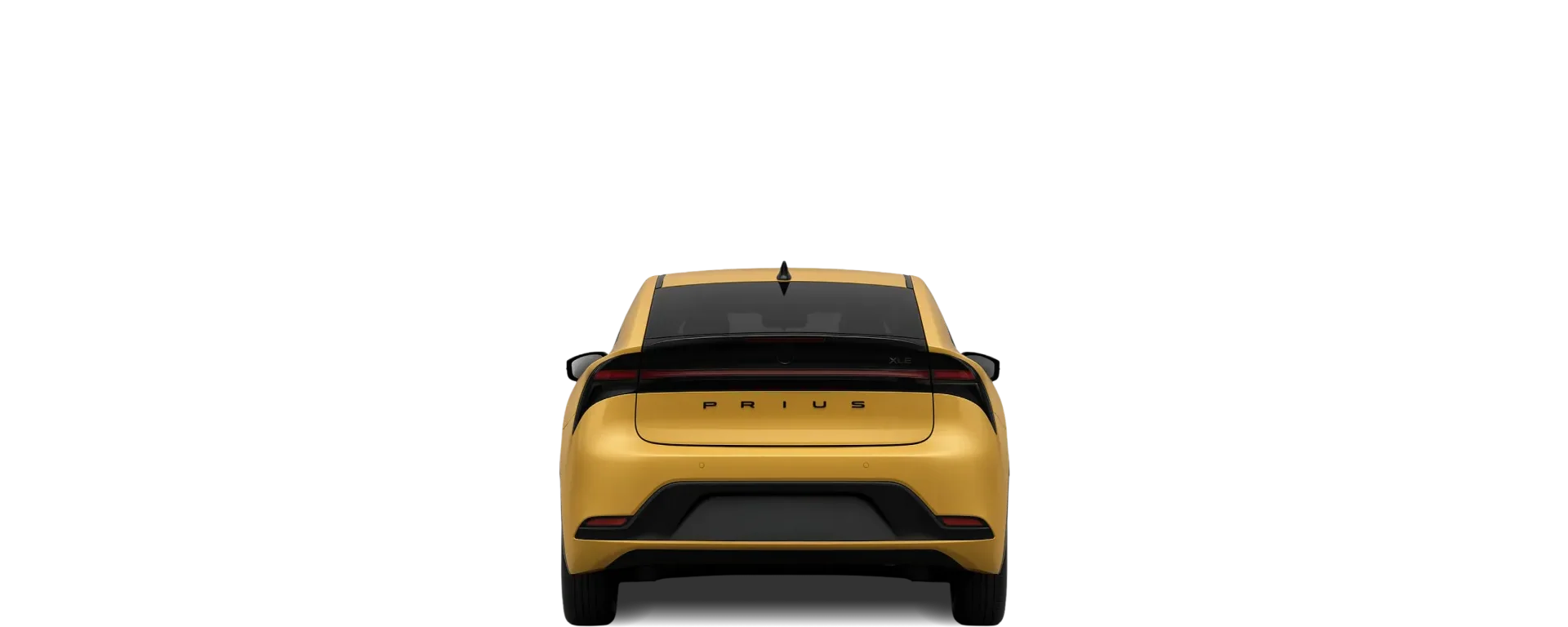
Details
Doors, seats, weight, maneuverability
Passengers will appreciate the additional doors on the 2023 Toyota Prius when you're parked in tight spots, as they offer more entry options than the 2-door 2018 Jeep Wrangler. With one additional seat, the 2023 Toyota Prius can accommodate an extra passenger compared with the 2018 Jeep Wrangler. Both vehicles share the exact same turning circle of 10.5 m, meaning they require the same amount of space for a full U-turn. The 256 kg weight gap will have a major impact on fuel consumption and overall driving dynamics.
Measurements
Doors
2
5 (+3)
Max. seats
4
5 (+1)
Turning circle
10.5 m
10.5 m
Curb weight
1,801 kg (+256)
1,545 kg
How each car compares with its class average
Turning circle
10.5 m
1.5 m smaller turning circle than the average SUV
10.5 m
0.1 m larger turning circle than the average Hatchback
Curb weight
1,801 kg
646 kg lighter than the average SUV
1,545 kg
292 kg heavier than the average Hatchback
DriveSize manoeuvrability
DriveSize manoeuvrability combines turning circle and footprint, with turning circle weighted more heavily.
A positive percentage means more manoeuvrable than the class average and a negative percentage means less manoeuvrable.
+15%
More manoeuvrable than the average SUV
-4%
Less manoeuvrable than the average Hatchback
Parking
Will the 2018 Jeep Wrangler or 2023 Toyota Prius fit in a standard parking space?
2018 Jeep Wrangler parking fit score
DriveSize compares the car's width and length with typical parking-space sizes by region.
Vehicle dimensions are rounded up and available side or length clearance is rounded down.
Side clearance is based on body width where available; real spaces can vary because of mirrors, walls, pillars, kerbs, bay markings, and nearby cars.
For an average USA / Canada space: body side clearance is 43.5 cm per side, and length clearance is 63 cm at each end.
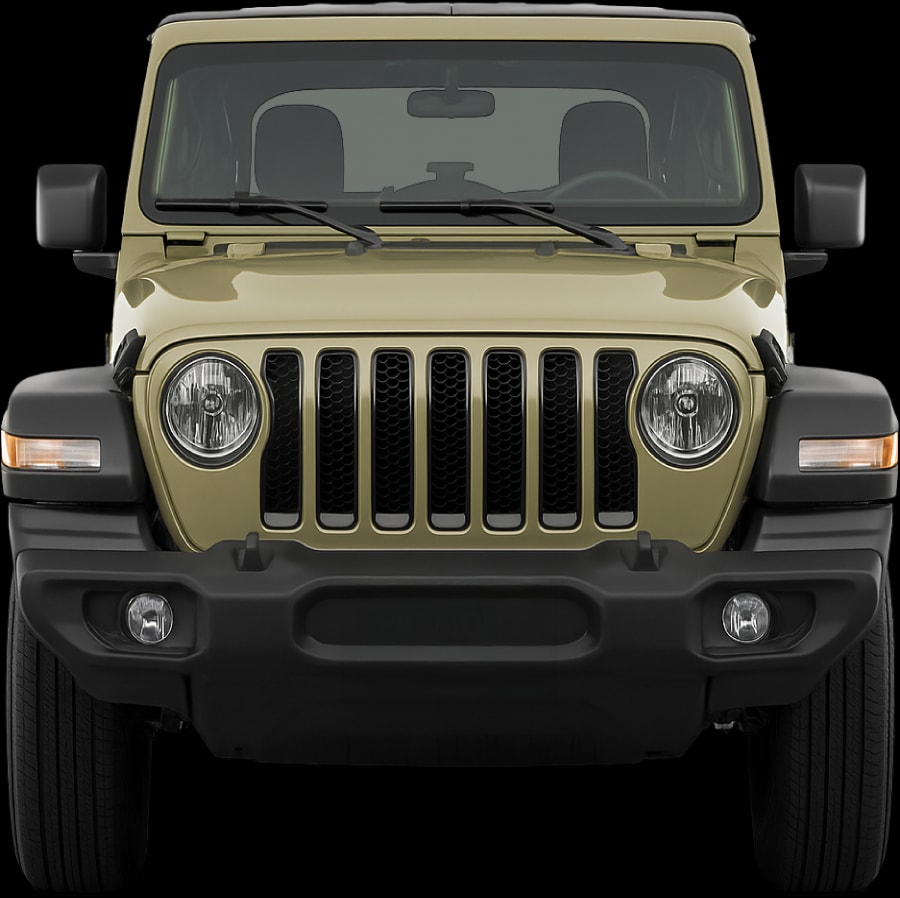
Body side clearance
43.5 cm
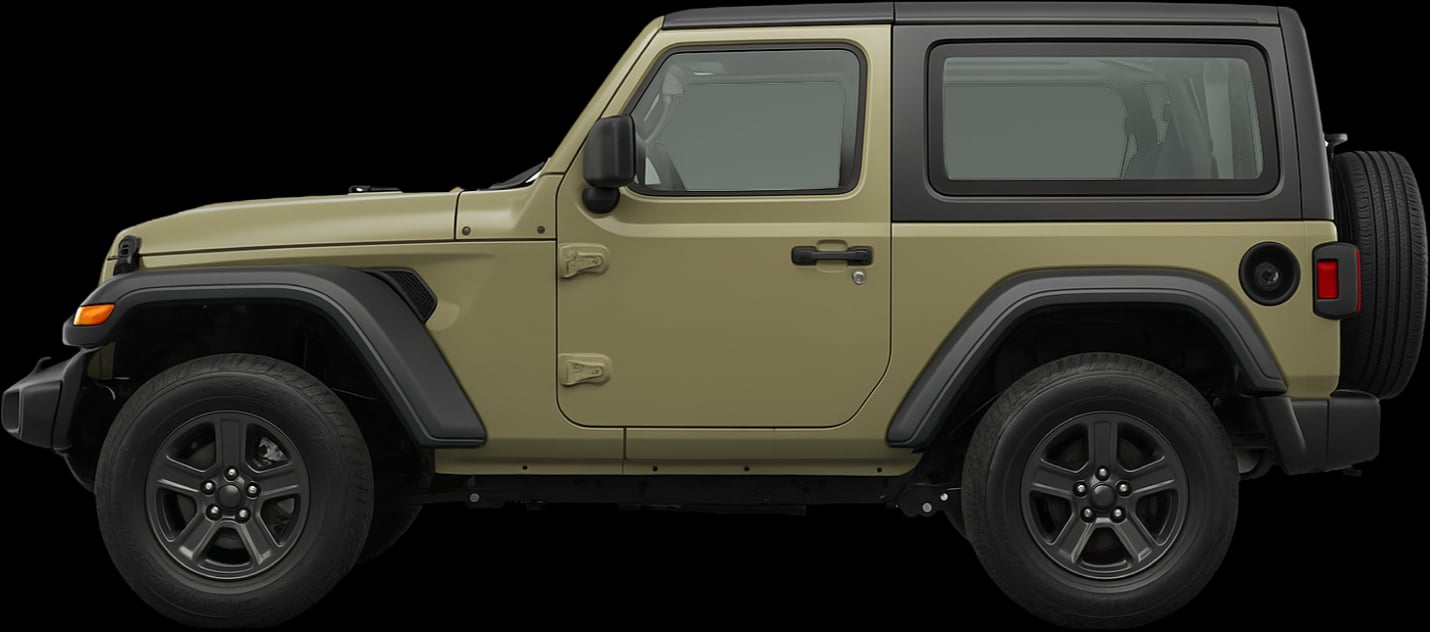
Length clearance (at each end)
63 cm
2023 Toyota Prius parking fit score
DriveSize compares the car's width and length with typical parking-space sizes by region.
Vehicle dimensions are rounded up and available side or length clearance is rounded down.
Side clearance is based on body width where available; real spaces can vary because of mirrors, walls, pillars, kerbs, bay markings, and nearby cars.
For an average USA / Canada space: body side clearance is 48 cm per side, and length clearance is 45 cm at each end.
Body side clearance
48 cm
Length clearance (at each end)
45 cm
Articles featuring these cars
View all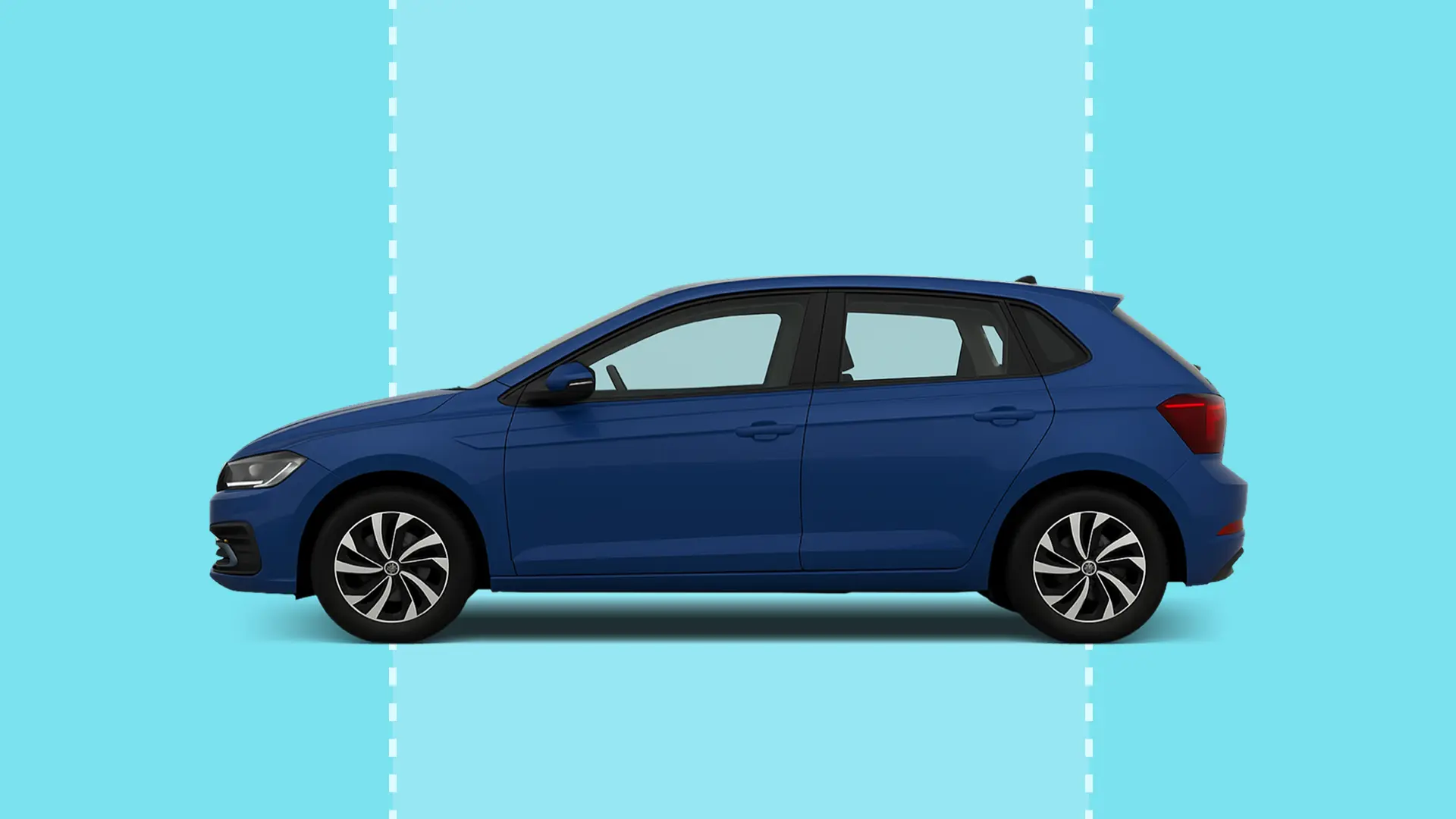
What Is Wheelbase? Car Wheelbase Meaning & Why It Matters
Learn what wheelbase means, how it affects ride comfort, handling, turning circle and interior space, and why it matters when choosing your next car.
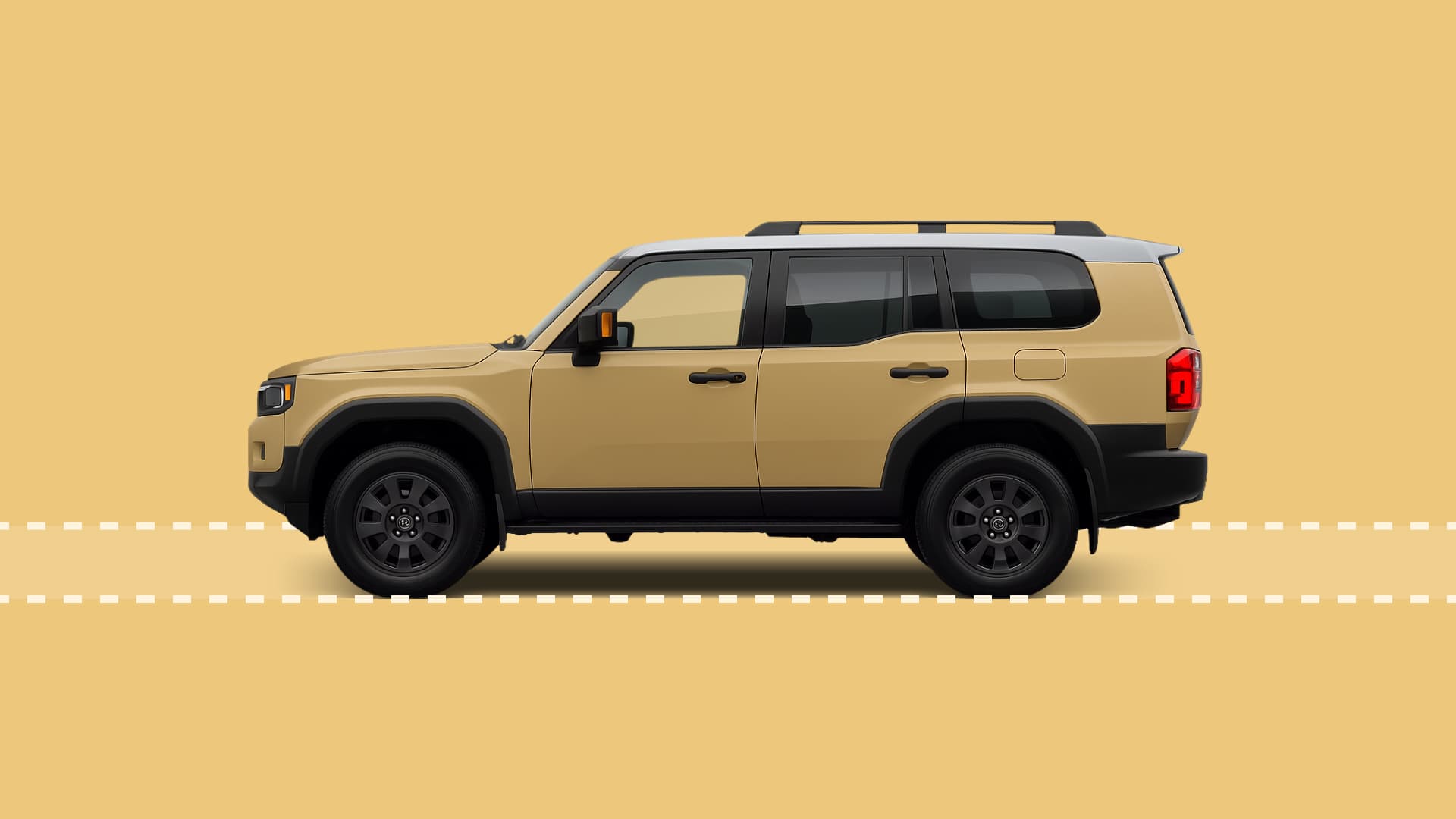
What Is Ground Clearance? Why does it matter for SUVs, and which have the most
Clear explanation of SUV ground clearance, how much you really need, and which SUVs offer the most — using real measurements you can compare side-by-side on Drivesize.
More Jeeps
FAQs
Frequently asked questions
Vehicle specifications on this page are sourced from official Jeep and Toyota documentation. Unless the page identifies a specific trim, body style, powertrain or market version, DriveSize uses manufacturer-published specifications for the base model as its default reference. DriveSize standardises the published measurements and calculates the comparisons and derived figures shown. Figures can vary by market, model year, trim, powertrain, wheels, tyres and measurement method. How DriveSize sources and calculates these figures.