
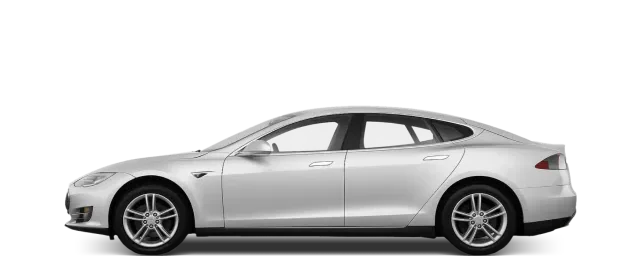
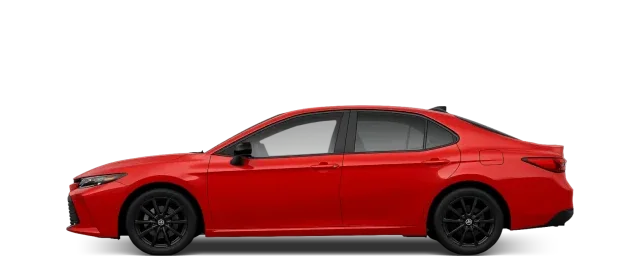
2016 Tesla Model S vs 2023 Toyota Prius
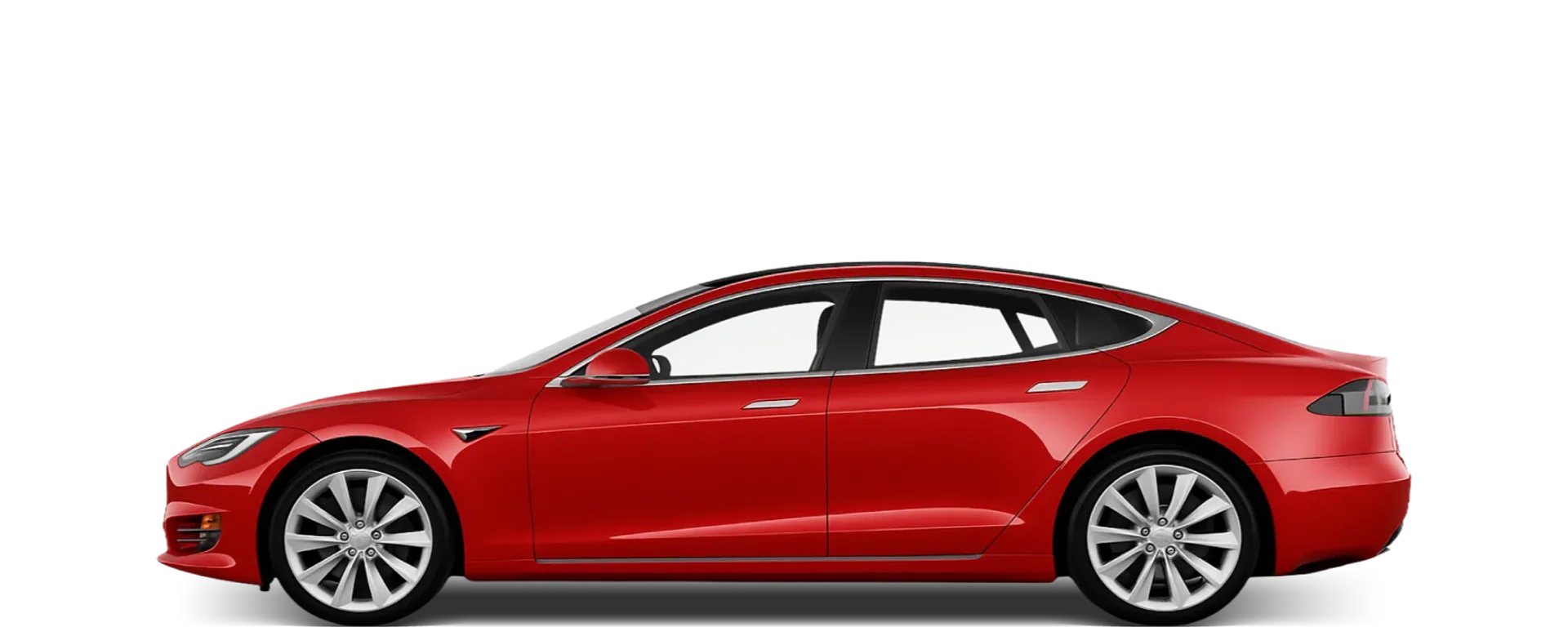
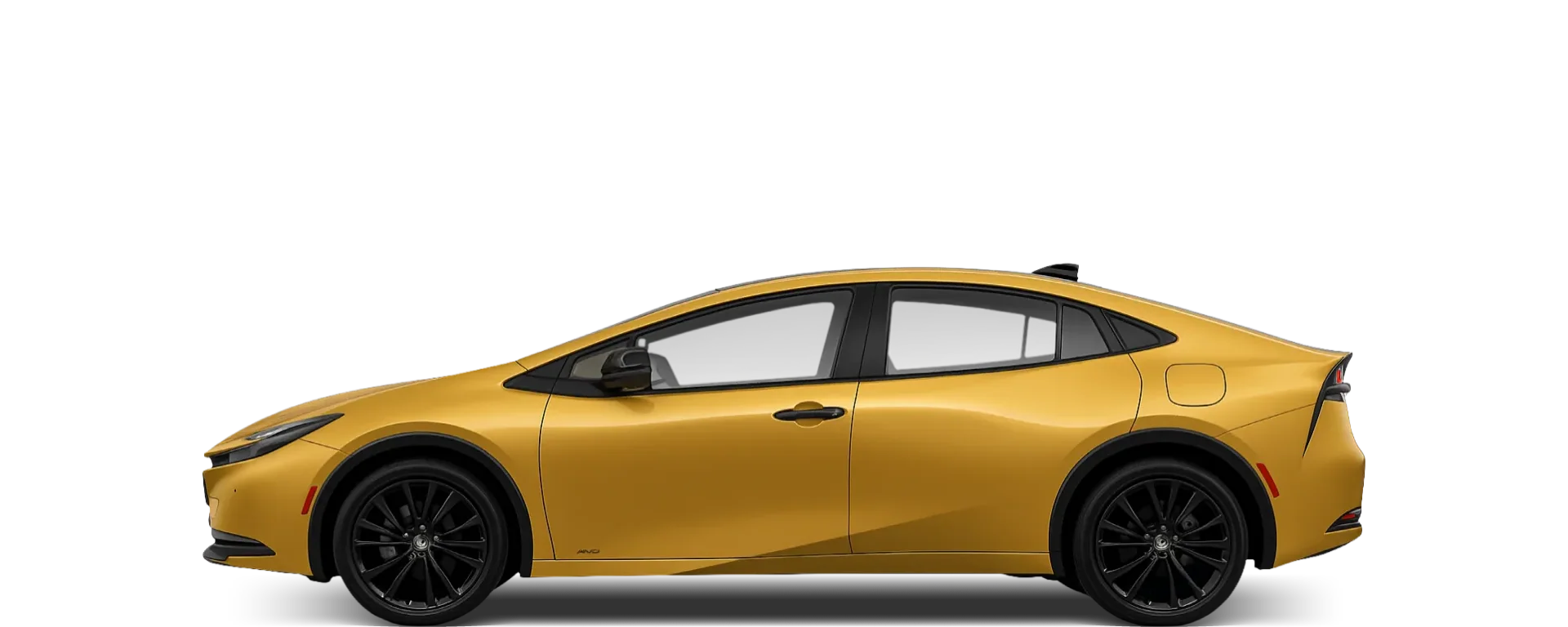
Which is bigger, the 2016 Tesla Model S or 2023 Toyota Prius?
Key dimensions: length, width, height
The 2016 Tesla Model S is an additional 37.1 cm longer than the 2023 Toyota Prius, giving it a more elongated and sleek profile. Navigation requires more care in the 2016 Tesla Model S, as it stretches an extra 18.2 cm across the lane compared to the slender by comparison 2023 Toyota Prius. Both cars share a very similar height profile with a difference of only 2.5 cm, meaning overhead clearance in garages will be essentially the same. The 2016 Tesla Model S is only 0.3 cm higher off the tarmac, maintaining a very similar ground clearance to the 2023 Toyota Prius. If you drive these cars, you'll notice the 2016 Tesla Model S feels a bit more planted on the motorway thanks to its 21 cm wheelbase advantage.
Measurements
Length
497 cm (+37.1)
459.9 cm
Height
144.5 cm (+2.5)
142 cm
Body width
196.4 cm (+18.2)
178.2 cm
Width including mirrors
218.9 cm
N/A
Ground clearance
14 cm (+0.3)
13.7 cm
Wheelbase
296 cm (+21)
275 cm
Footprint
DriveSize footprint is overall length multiplied by body width.
9.8 m² (+1.6)
8.2 m²
How each car compares with its class average
Length
497 cm
24.1 cm longer than the average Sedan
459.9 cm
44.7 cm longer than the average Hatchback
Height
144.5 cm
1.3 cm shorter than the average Sedan
142 cm
5.9 cm shorter than the average Hatchback
Body width
196.4 cm
13.4 cm wider than the average Sedan
178.2 cm
1.7 cm wider than the average Hatchback
Width including mirrors
218.9 cm
13.3 cm wider than the average Sedan
N/A
Ground clearance
14 cm
Same ground clearance as the average Sedan
13.7 cm
0.2 cm less ground clearance than the average Hatchback
Wheelbase
296 cm
17.9 cm longer wheelbase than the average Sedan
275 cm
15.9 cm longer wheelbase than the average Hatchback
Footprint
DriveSize footprint is overall length multiplied by body width.
9.8 m²
1.1 m² larger footprint than the average Sedan
8.2 m²
0.9 m² larger footprint than the average Hatchback
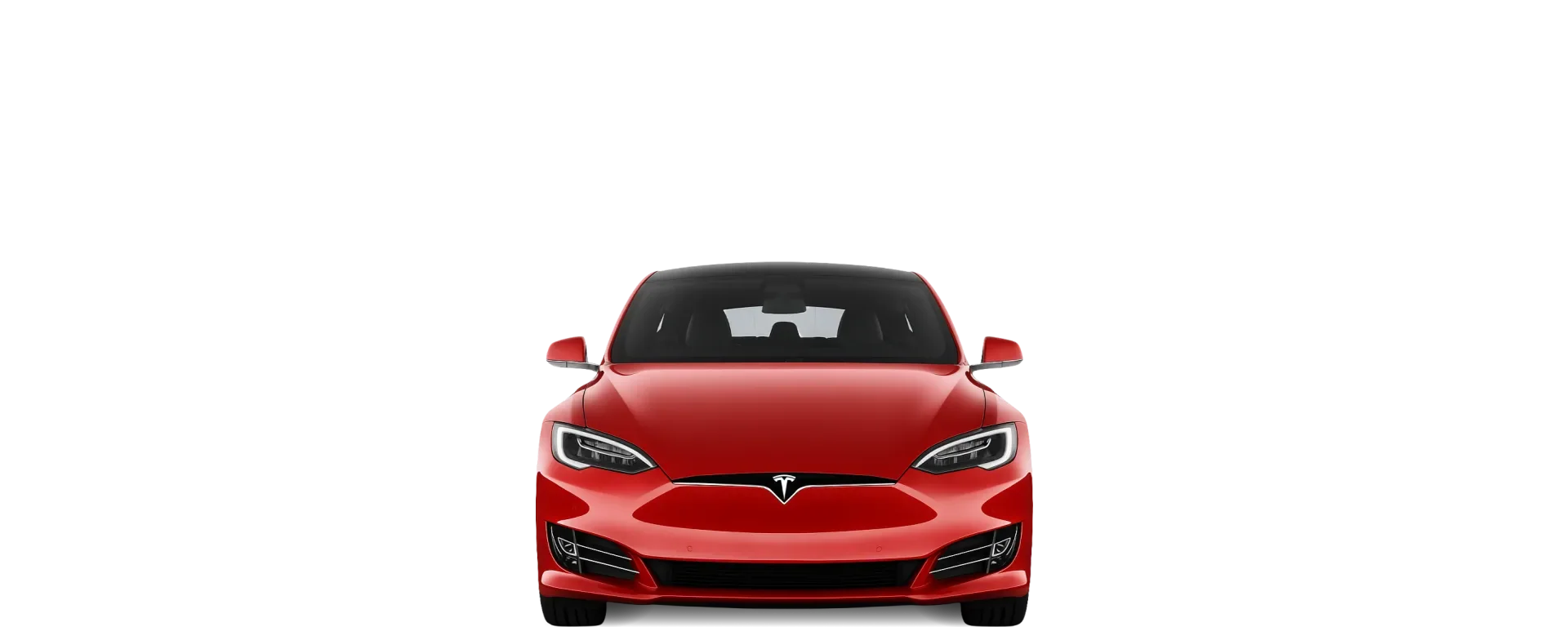
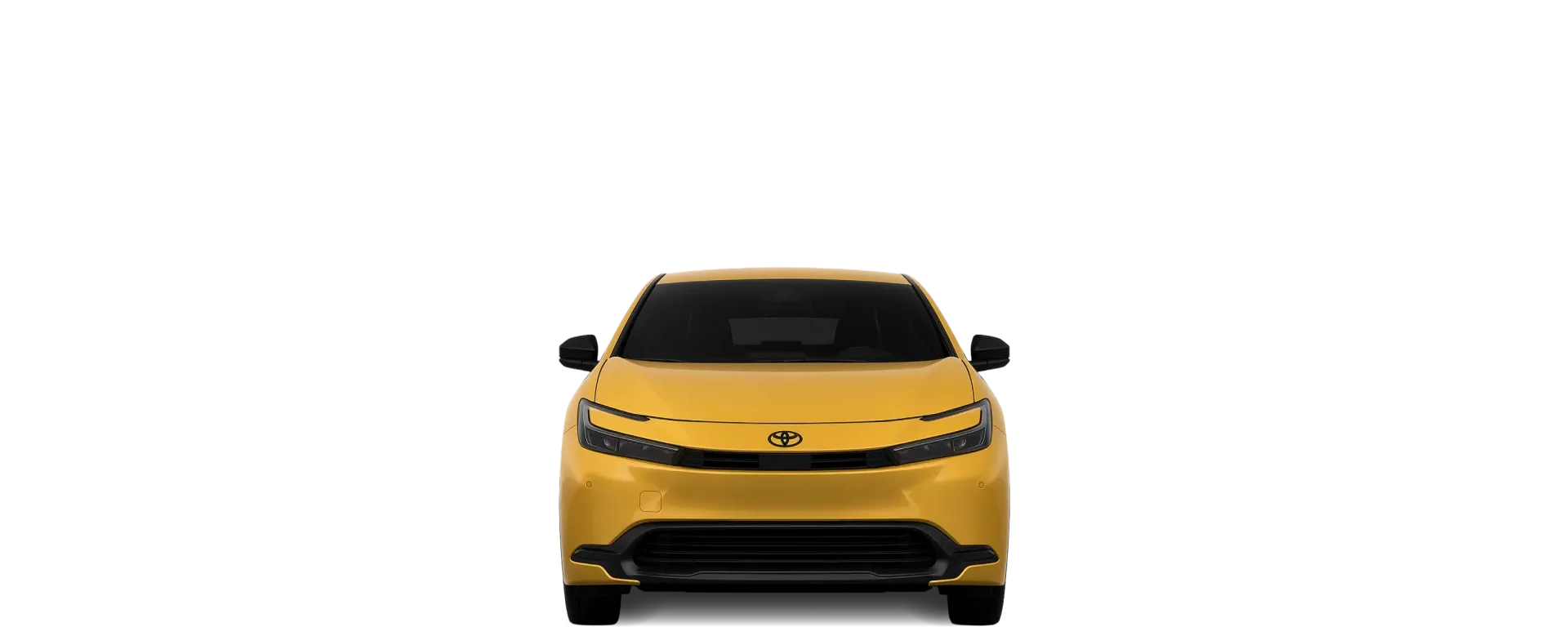
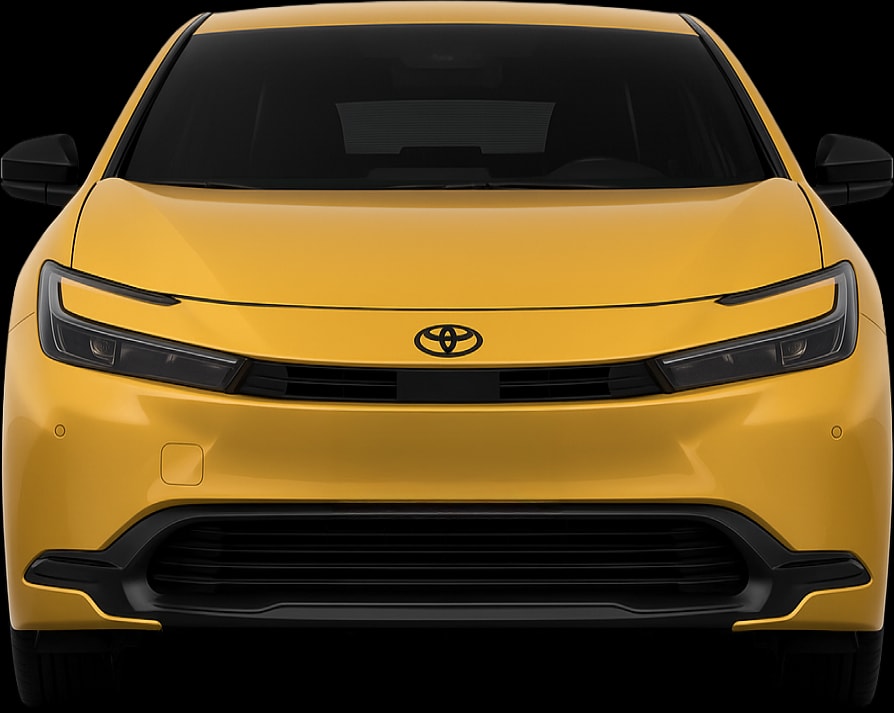
Front view
Cargo Capacity: which has more space?
Standard and largest cargo capacity
If you often find yourself squeezing in that last bit of gear, the 2016 Tesla Model S’s extra 71 L (SAE) (about a medium moving box) will be a welcome bonus. With its seats down, the 2016 Tesla Model S has 1,645 L of space for your belongings, which is way above average for its segment.
Measurements
Standard cargo capacity (VDA)
The standard cargo capacity using VDA, the method commonly used globally.
This is the manufacturer's normal published figure; it does not imply a particular seat configuration.
N/A
284 L
Standard cargo capacity (SAE)
The standard cargo capacity using SAE, the method commonly used in the US.
This is the manufacturer's normal published figure; it does not imply a particular seat configuration.
745 L (+71)
674 L
Largest cargo capacity (SAE)
The largest cargo capacity using SAE, the method commonly used in the US.
If only one SAE figure is published, the standard and largest values are the same.
1,645 L
N/A
Frunk capacity
60 L
N/A
Cargo space vs length
This DriveSize metric divides blended cargo volume by overall vehicle length.
Blended cargo uses 65% of the standard figure and 35% of the largest figure, using VDA where available and SAE otherwise.
213.3 L per m
N/A
Cargo space vs footprint
This DriveSize metric divides blended cargo volume by footprint.
Blended cargo uses 65% of the standard figure and 35% of the largest figure, using VDA where available and SAE otherwise.
It helps show how efficiently a car turns exterior area into usable cargo space.
108.6 L per m²
N/A
How each car compares with its class average
Standard cargo capacity (VDA)
The standard cargo capacity using VDA, the method commonly used globally.
This is the manufacturer's normal published figure; it does not imply a particular seat configuration.
N/A
284 L
59 L less cargo volume than the average Hatchback
Standard cargo capacity (SAE)
The standard cargo capacity using SAE, the method commonly used in the US.
This is the manufacturer's normal published figure; it does not imply a particular seat configuration.
745 L
349 L more cargo volume than the average Sedan
674 L
149 L more cargo volume than the average Hatchback
Rear view
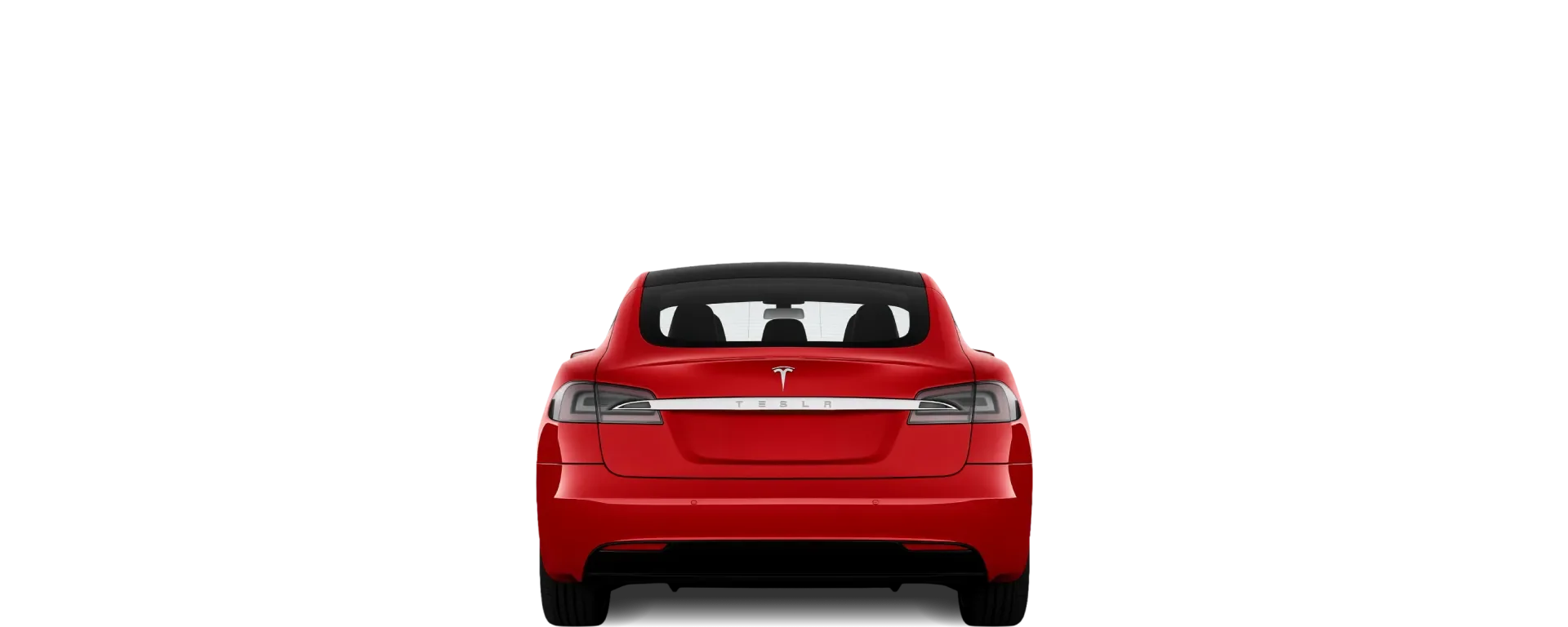
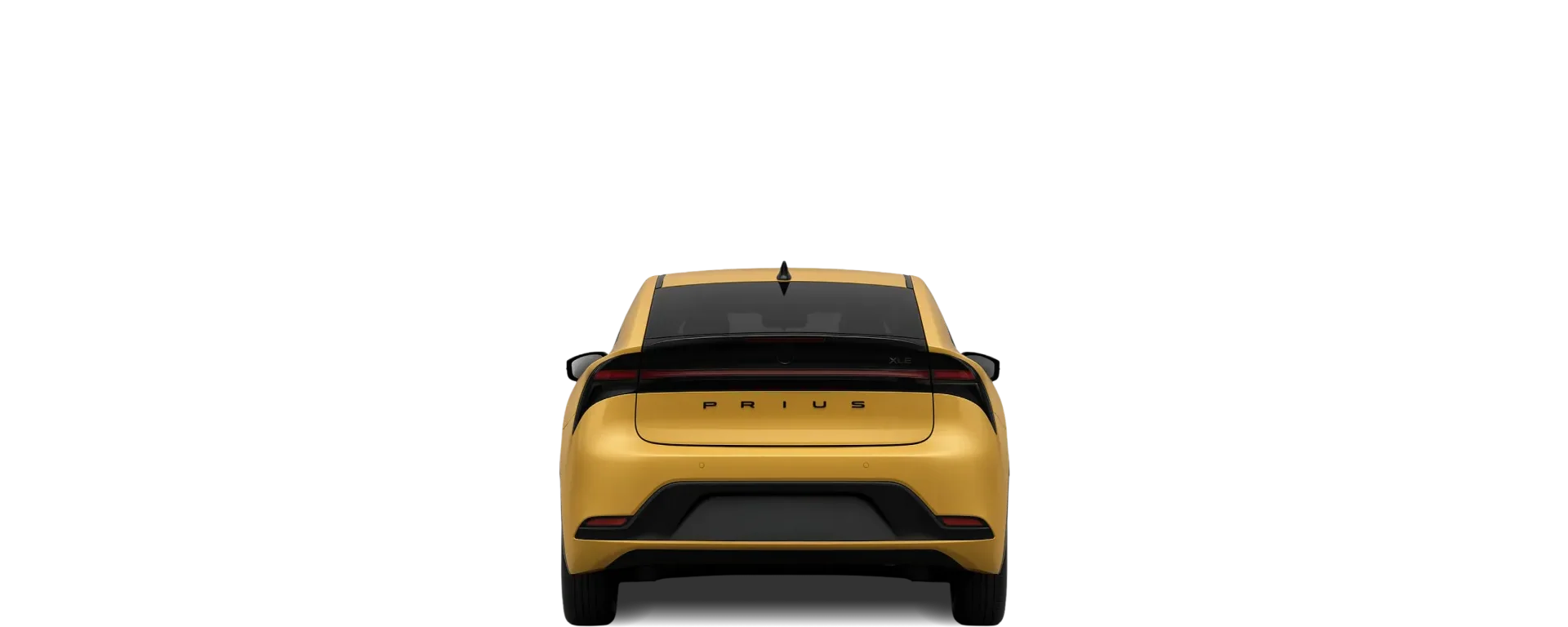
Details
Doors, seats, weight, maneuverability
With 1 more door(s) than the 2016 Tesla Model S, the 2023 Toyota Prius should be more practical for those wanting to carry passengers or luggage. You’ll find the same passenger limits in both models, as they each feature a 5-seat interior layout. If you drive these cars, you'll notice the 2023 Toyota Prius is significantly more responsive in U-turns, clearing them with 1.8 m to spare over the 2016 Tesla Model S. The 2023 Toyota Prius is a featherweight compared to the 2016 Tesla Model S, which carries a huge 482 kg of additional weight.
Measurements
Doors
4
5 (+1)
Max. seats
5
5
Turning circle
12.3 m (+1.8)
10.5 m
Curb weight
2,027 kg (+482)
1,545 kg
How each car compares with its class average
Turning circle
12.3 m
1.2 m larger turning circle than the average Sedan
10.5 m
0.1 m larger turning circle than the average Hatchback
Curb weight
2,027 kg
505 kg heavier than the average Sedan
1,545 kg
292 kg heavier than the average Hatchback
DriveSize manoeuvrability
DriveSize manoeuvrability combines turning circle and footprint, with turning circle weighted more heavily.
A positive percentage means more manoeuvrable than the class average and a negative percentage means less manoeuvrable.
-11%
Less manoeuvrable than the average Sedan
-4%
Less manoeuvrable than the average Hatchback
Parking
Will the 2016 Tesla Model S or 2023 Toyota Prius fit in a standard parking space?
2016 Tesla Model S parking fit score
DriveSize compares the car's width and length with typical parking-space sizes by region.
Vehicle dimensions are rounded up and available side or length clearance is rounded down.
Side clearance is based on body width where available; real spaces can vary because of mirrors, walls, pillars, kerbs, bay markings, and nearby cars.
For an average USA / Canada space: body side clearance is 39 cm per side, and length clearance is 26.5 cm at each end.
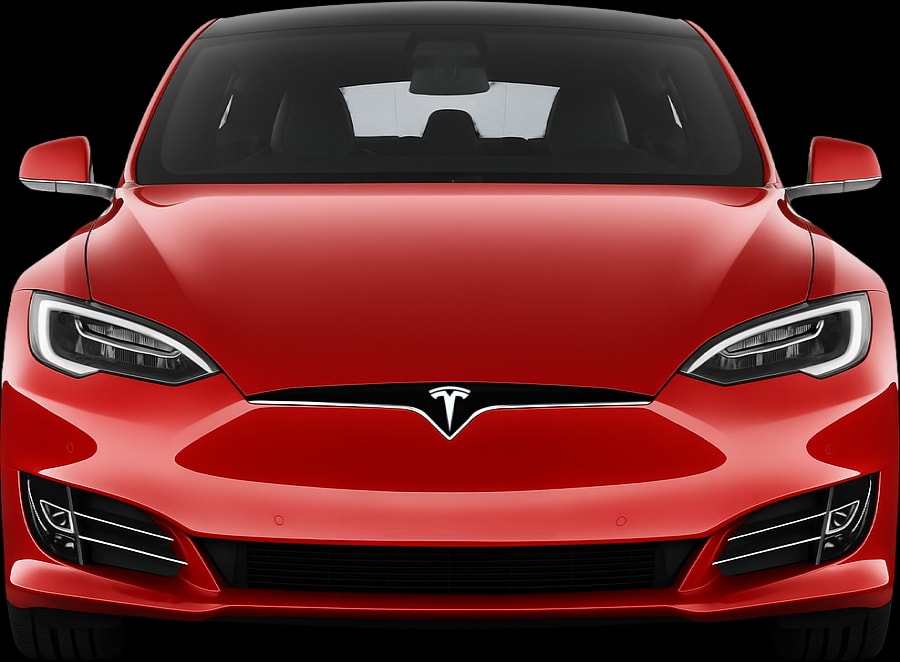
Body side clearance
39 cm
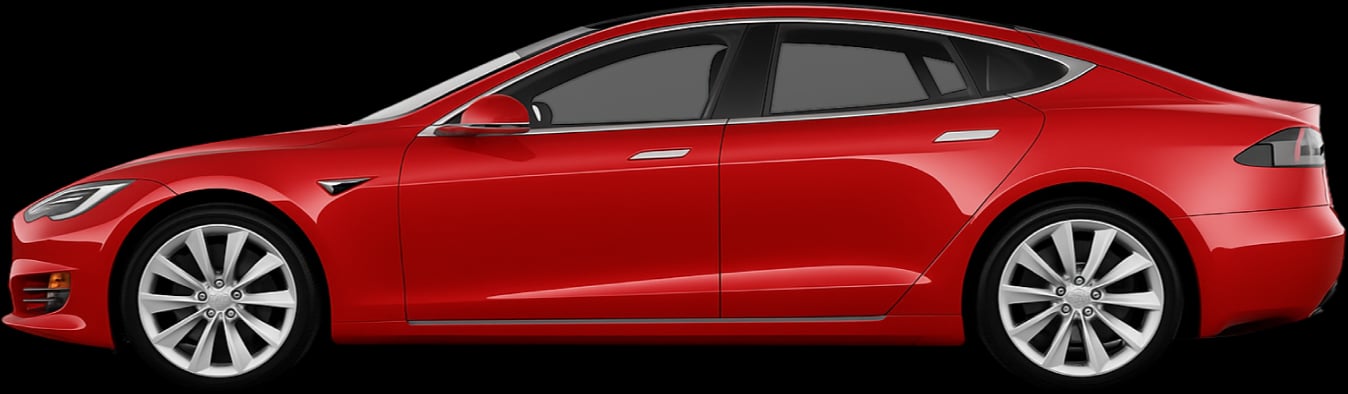
Length clearance (at each end)
26.5 cm
2023 Toyota Prius parking fit score
DriveSize compares the car's width and length with typical parking-space sizes by region.
Vehicle dimensions are rounded up and available side or length clearance is rounded down.
Side clearance is based on body width where available; real spaces can vary because of mirrors, walls, pillars, kerbs, bay markings, and nearby cars.
For an average USA / Canada space: body side clearance is 48 cm per side, and length clearance is 45 cm at each end.
Body side clearance
48 cm
Length clearance (at each end)
45 cm
FAQs
Frequently asked questions
Vehicle specifications on this page are sourced from official Tesla and Toyota documentation. Unless the page identifies a specific trim, body style, powertrain or market version, DriveSize uses manufacturer-published specifications for the base model as its default reference. DriveSize standardises the published measurements and calculates the comparisons and derived figures shown. Figures can vary by market, model year, trim, powertrain, wheels, tyres and measurement method. How DriveSize sources and calculates these figures.