
2024 Volkswagen Golf vs 2017 Tesla Model 3
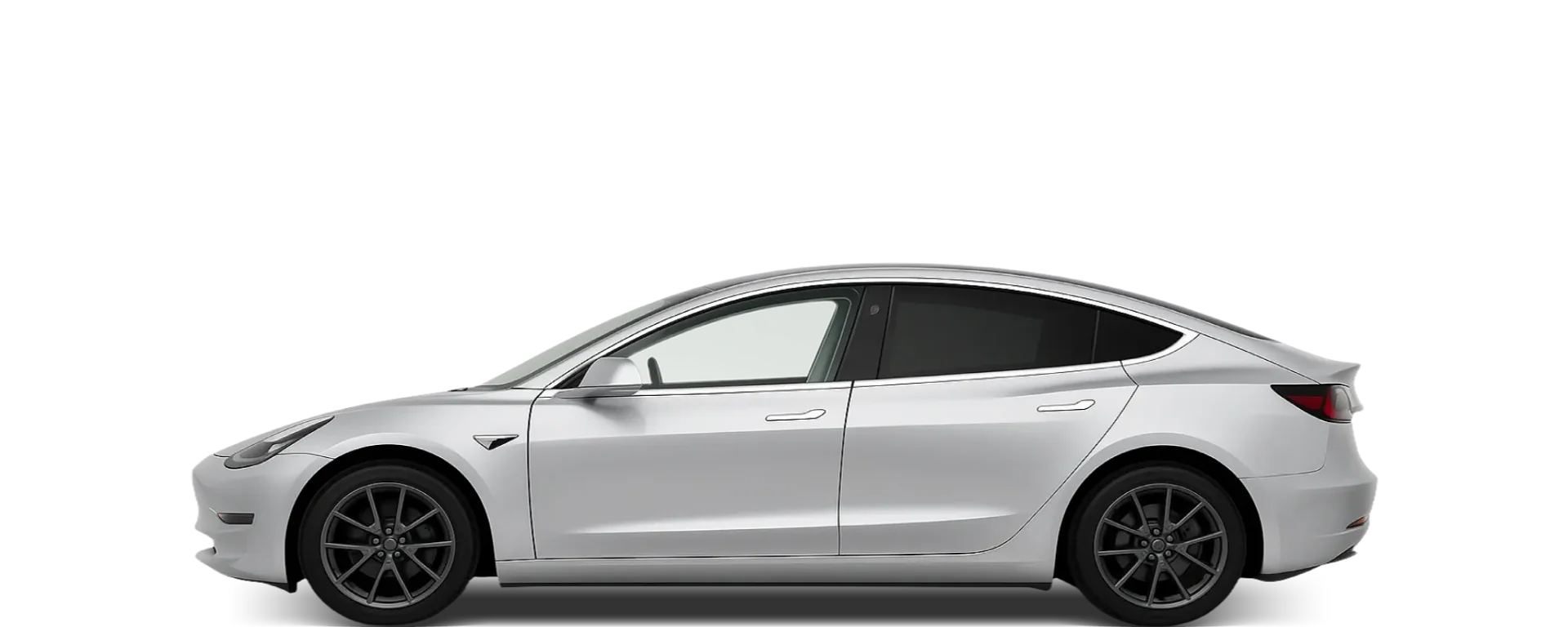
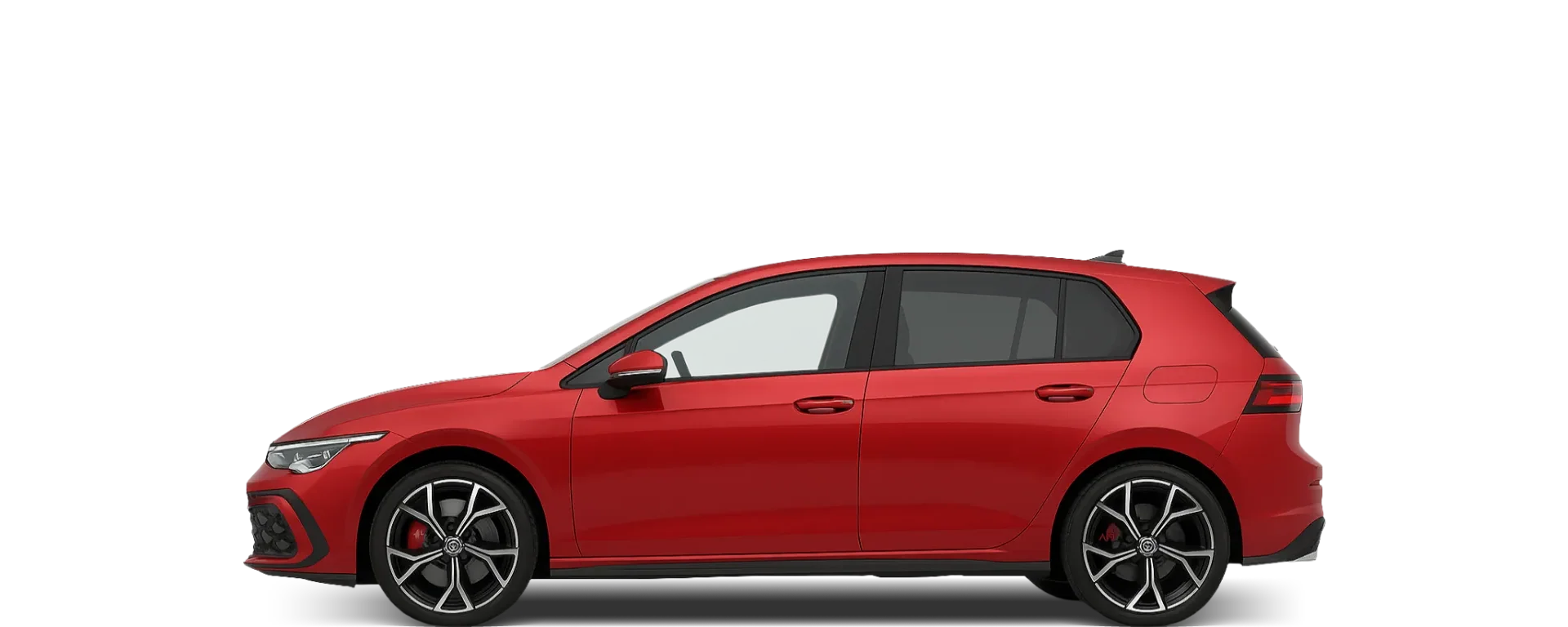
Which is bigger, the 2024 Volkswagen Golf or 2017 Tesla Model 3?
Key dimensions: length, width, height
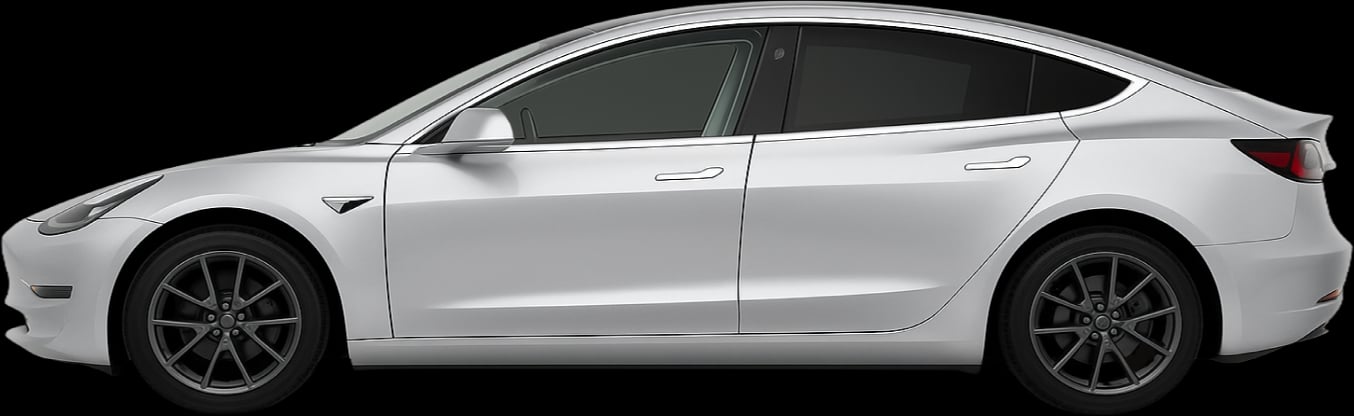
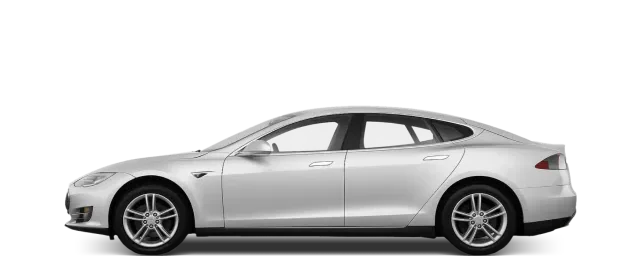
Measured bumper to bumper, 2017 Tesla Model 3 extends 41.3 cm beyond 2024 Volkswagen Golf, marking a substantial length advantage. The 2017 Tesla Model 3 is significantly wider, which may offer more shoulder room inside but could make tight parking garages more challenging. Entering and exiting either vehicle will feel much the same, given the 2024 Volkswagen Golf is only 3.8 cm taller than the 2017 Tesla Model 3. Even the 25.5 cm wheelbase advantage helps the 2017 Tesla Model 3 feel like a larger, more composed vehicle than the 2024 Volkswagen Golf.
Measurements
Length
428.2 cm
469.5 cm (+41.3)
Height
148.3 cm (+3.8)
144.5 cm
Body width
178.9 cm
185 cm (+6.1)
Width including mirrors
207.3 cm
208.8 cm (+1.5)
Ground clearance
N/A
14 cm
Wheelbase
262 cm
287.5 cm (+25.5)
Footprint
DriveSize footprint is overall length multiplied by body width.
7.7 m²
8.7 m² (+1)
How each car compares with its class average
Length
428.2 cm
13 cm longer than the average Hatchback
469.5 cm
3.4 cm shorter than the average Sedan
Height
148.3 cm
0.4 cm taller than the average Hatchback
144.5 cm
1.3 cm shorter than the average Sedan
Body width
178.9 cm
2.4 cm wider than the average Hatchback
185 cm
2 cm wider than the average Sedan
Width including mirrors
207.3 cm
7.8 cm wider than the average Hatchback
208.8 cm
3.2 cm wider than the average Sedan
Ground clearance
N/A
14 cm
Same ground clearance as the average Sedan
Wheelbase
262 cm
2.9 cm longer wheelbase than the average Hatchback
287.5 cm
9.4 cm longer wheelbase than the average Sedan
Footprint
DriveSize footprint is overall length multiplied by body width.
7.7 m²
0.3 m² larger footprint than the average Hatchback
8.7 m²
0 m² larger footprint than the average Sedan
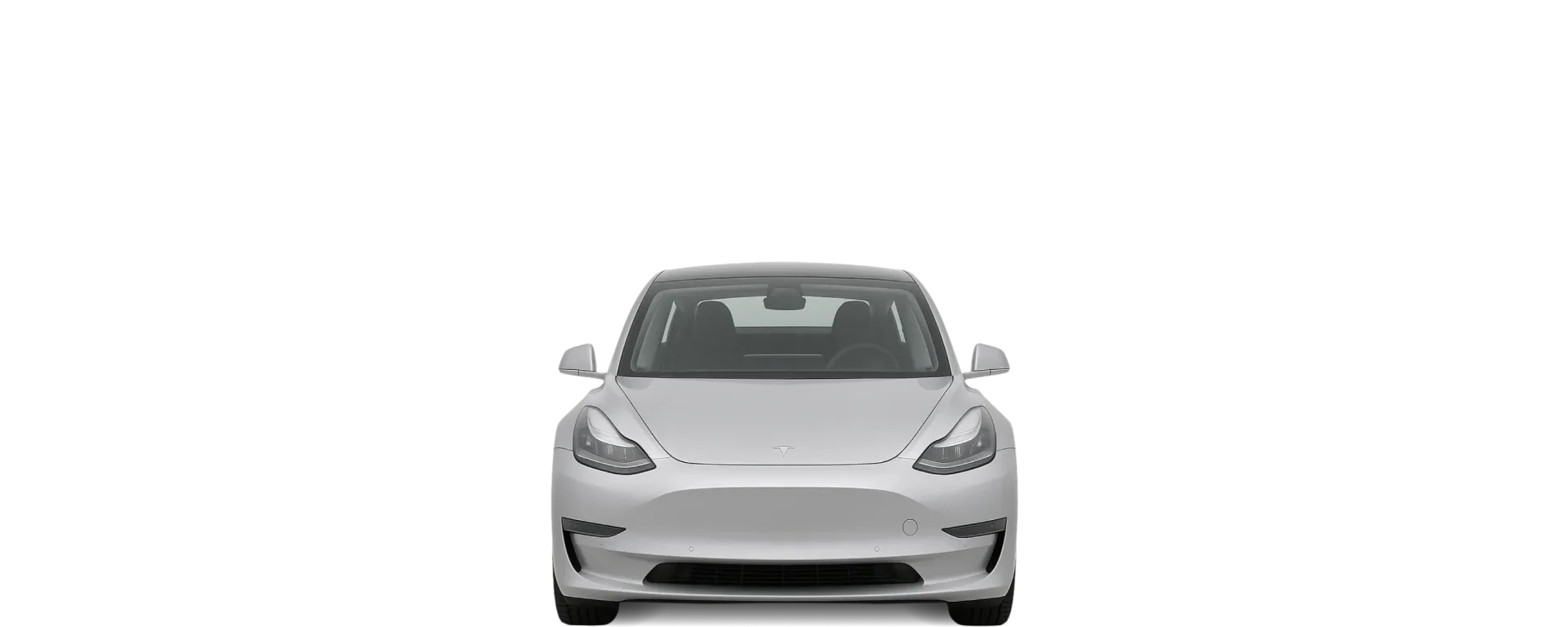
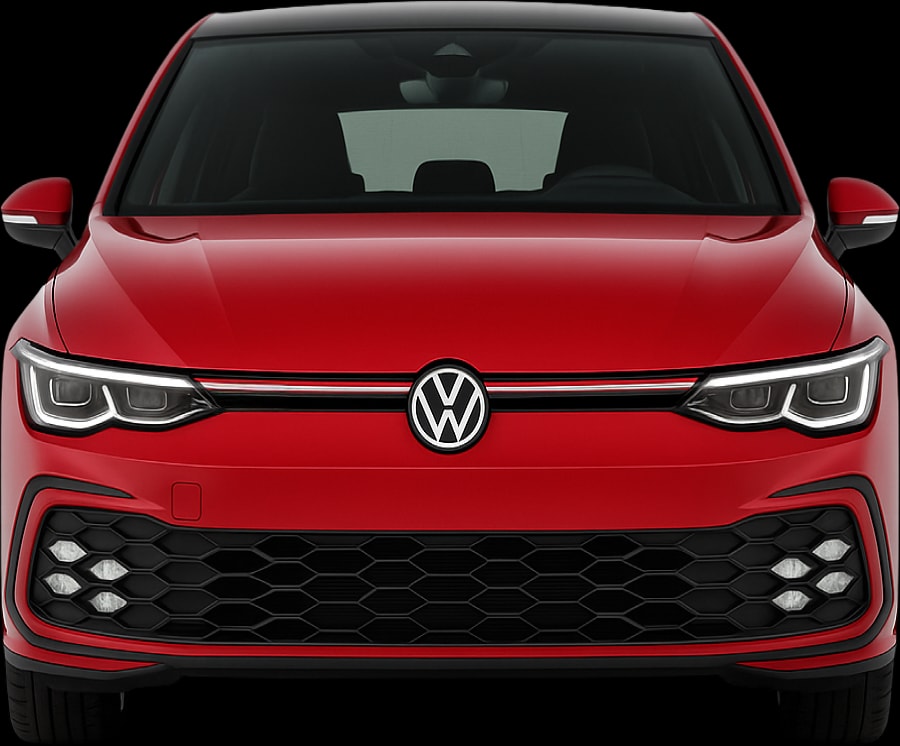
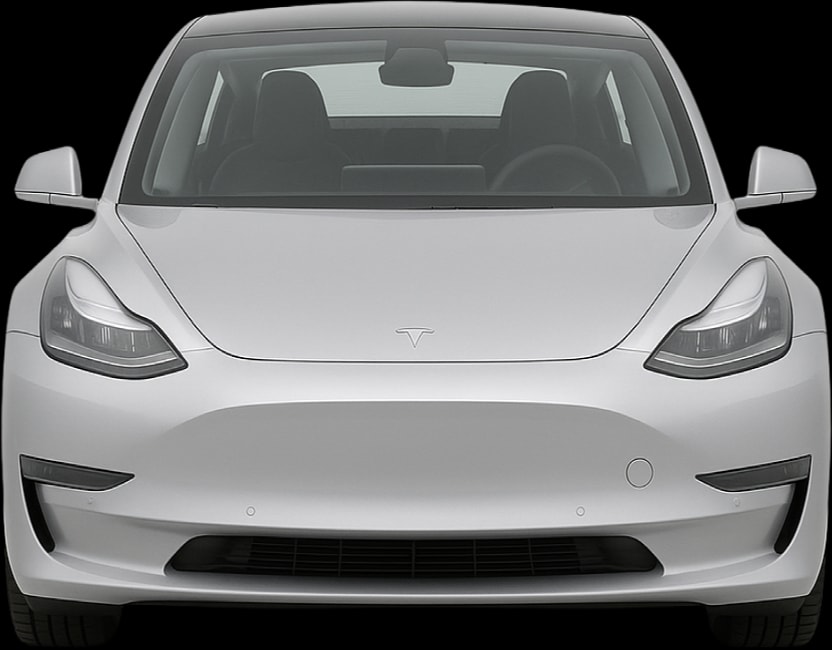
Front view

Cargo Capacity: which has more space?
Standard and largest cargo capacity
These two cars follow different measurement methods: SAE for the 2017 Tesla Model 3 and VDA for the 2024 Volkswagen Golf, so instead of a direct cargo space comparison, segment averages are the best way to gauge their relative utility. The 2017 Tesla Model 3’s 561 L capacity with seats up is above average for its class, and the 2024 Volkswagen Golf’s 381 L capacity is average for its class.
Measurements
Standard cargo capacity (VDA)
The standard cargo capacity using VDA, the method commonly used globally.
This is the manufacturer's normal published figure; it does not imply a particular seat configuration.
381 L
N/A
Standard cargo capacity (SAE)
The standard cargo capacity using SAE, the method commonly used in the US.
This is the manufacturer's normal published figure; it does not imply a particular seat configuration.
N/A
561 L
Frunk capacity
N/A
88 L
How each car compares with its class average
Standard cargo capacity (VDA)
The standard cargo capacity using VDA, the method commonly used globally.
This is the manufacturer's normal published figure; it does not imply a particular seat configuration.
381 L
38 L more cargo volume than the average Hatchback
N/A
Standard cargo capacity (SAE)
The standard cargo capacity using SAE, the method commonly used in the US.
This is the manufacturer's normal published figure; it does not imply a particular seat configuration.
N/A
561 L
165 L more cargo volume than the average Sedan
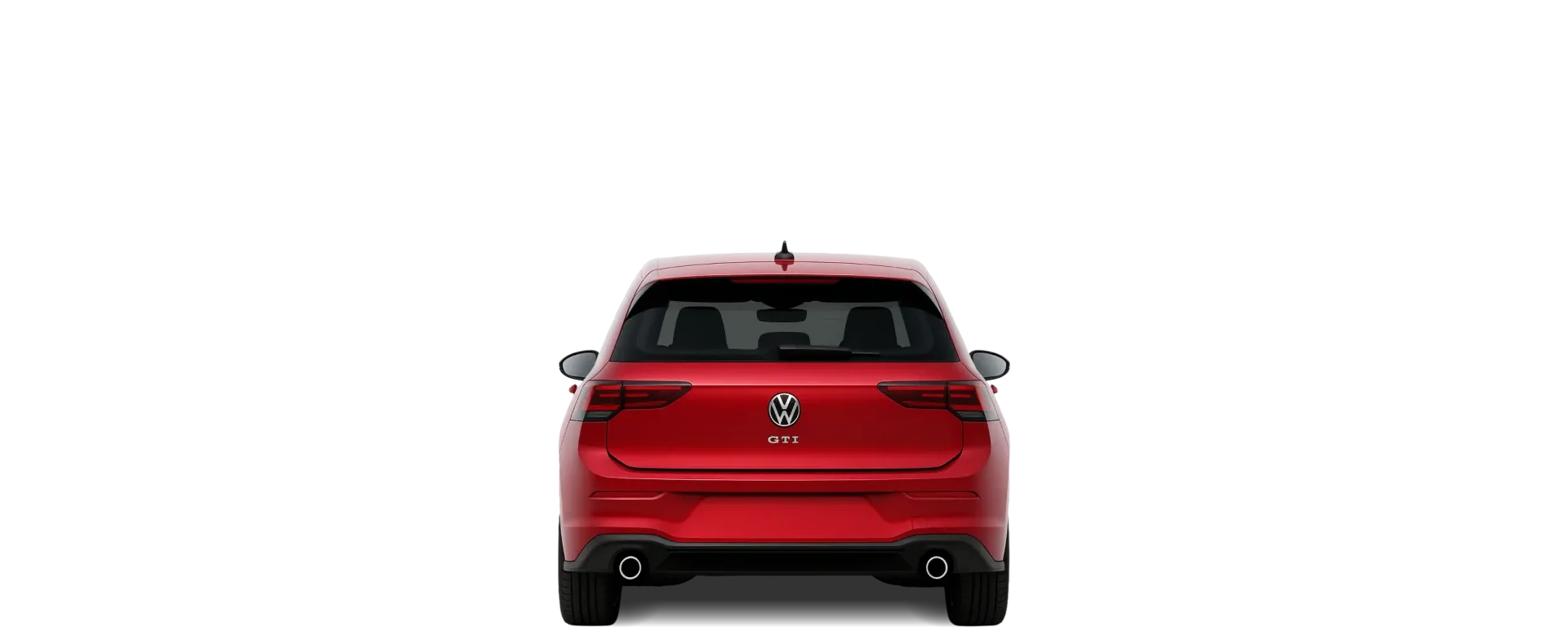
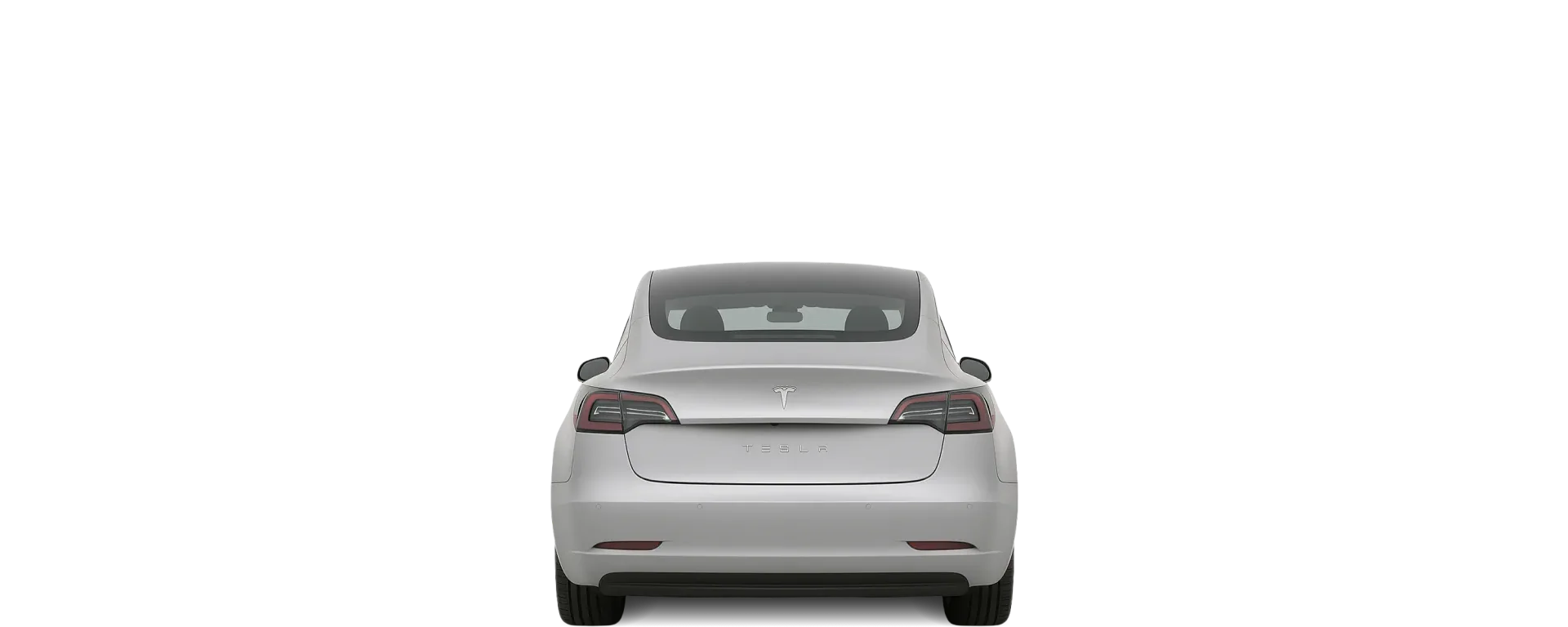
Rear view
Details
Doors, seats, weight, maneuverability
Choosing the 2017 Tesla Model 3 means managing with 1 fewer door(s), but this usually means a cleaner looking side profile than the 5-door 2024 Volkswagen Golf. Both the 2017 Tesla Model 3 and the 2024 Volkswagen Golf offer seating for 5, meaning they are equally capable when it comes to carrying passengers. The 2024 Volkswagen Golf is the slightly nimbler of the two when pulling a U-turn, though by a very narrow 0.5 m margin.
Measurements
Doors
5 (+1)
4
Max. seats
5
5
Turning circle
11.1 m
11.6 m (+0.5)
Curb weight
1,307 kg
N/A
How each car compares with its class average
Turning circle
11.1 m
0.7 m larger turning circle than the average Hatchback
11.6 m
0.5 m larger turning circle than the average Sedan
Curb weight
1,307 kg
54 kg heavier than the average Hatchback
N/A
DriveSize manoeuvrability
DriveSize manoeuvrability combines turning circle and footprint, with turning circle weighted more heavily.
A positive percentage means more manoeuvrable than the class average and a negative percentage means less manoeuvrable.
-6%
Less manoeuvrable than the average Hatchback
-4%
Less manoeuvrable than the average Sedan
Parking
Will the 2024 Volkswagen Golf or 2017 Tesla Model 3 fit in a standard parking space?
2024 Volkswagen Golf parking fit score
DriveSize compares the car's width and length with typical parking-space sizes by region.
Vehicle dimensions are rounded up and available side or length clearance is rounded down.
Side clearance is based on body width where available; real spaces can vary because of mirrors, walls, pillars, kerbs, bay markings, and nearby cars.
For an average USA / Canada space: body side clearance is 48 cm per side, and length clearance is 60.5 cm at each end.
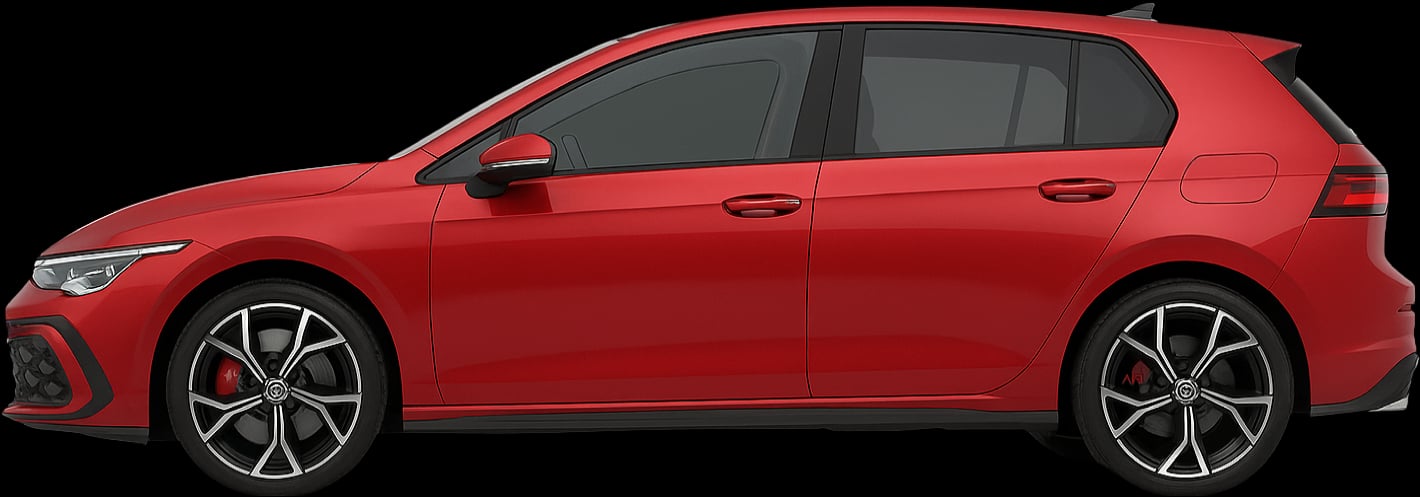
Body side clearance
48 cm
Length clearance (at each end)
60.5 cm
2017 Tesla Model 3 parking fit score
DriveSize compares the car's width and length with typical parking-space sizes by region.
Vehicle dimensions are rounded up and available side or length clearance is rounded down.
Side clearance is based on body width where available; real spaces can vary because of mirrors, walls, pillars, kerbs, bay markings, and nearby cars.
For an average USA / Canada space: body side clearance is 45 cm per side, and length clearance is 40 cm at each end.
Body side clearance
45 cm
Length clearance (at each end)
40 cm
Articles featuring these cars
View all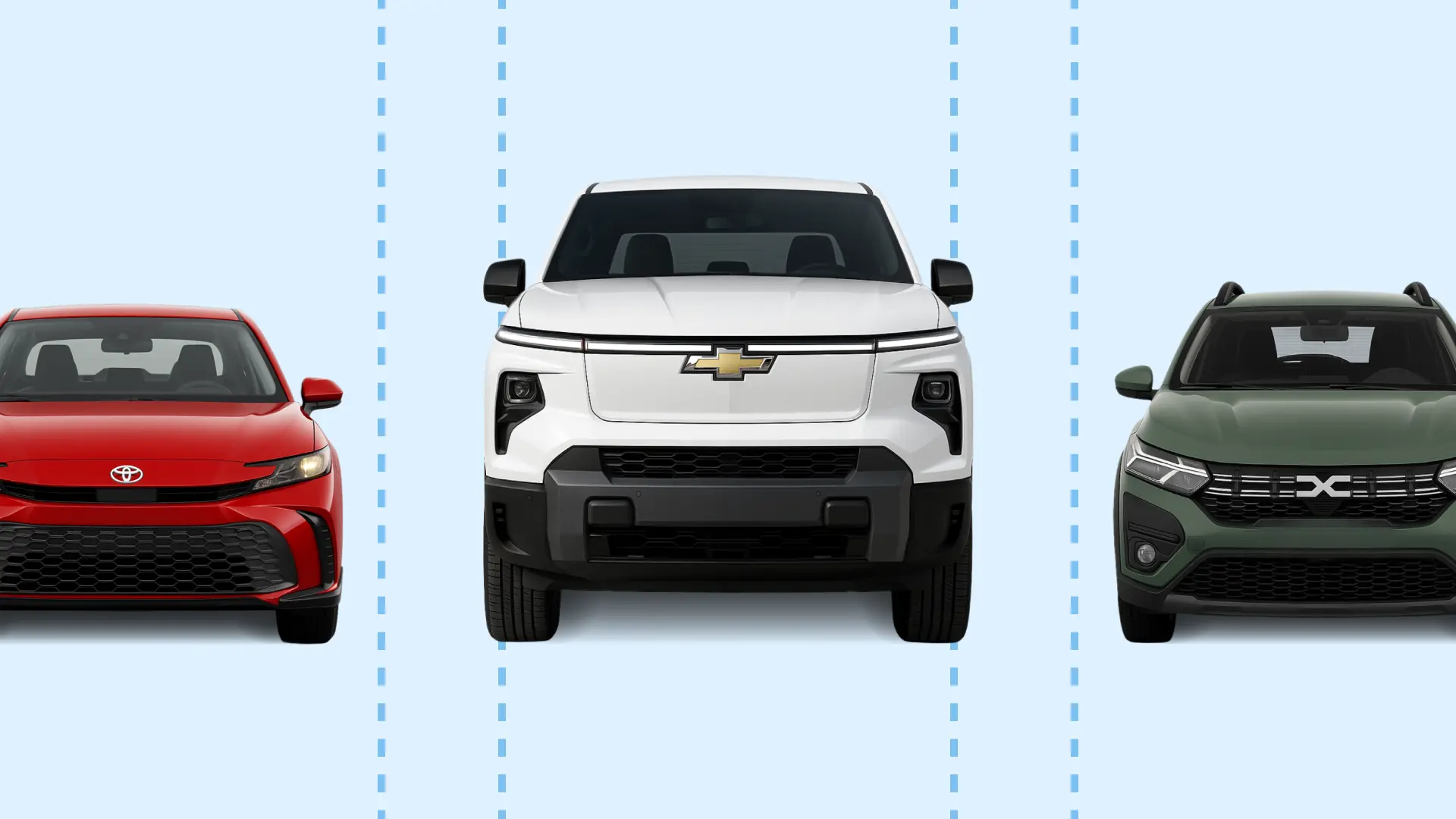
Will Your Car Fit in a Standard Parking Space? Parking Space Sizes Explained
Find out if your car will fit in a standard parking space. Compare UK, US and international parking bay sizes, and check real vehicle fit with DriveSize.
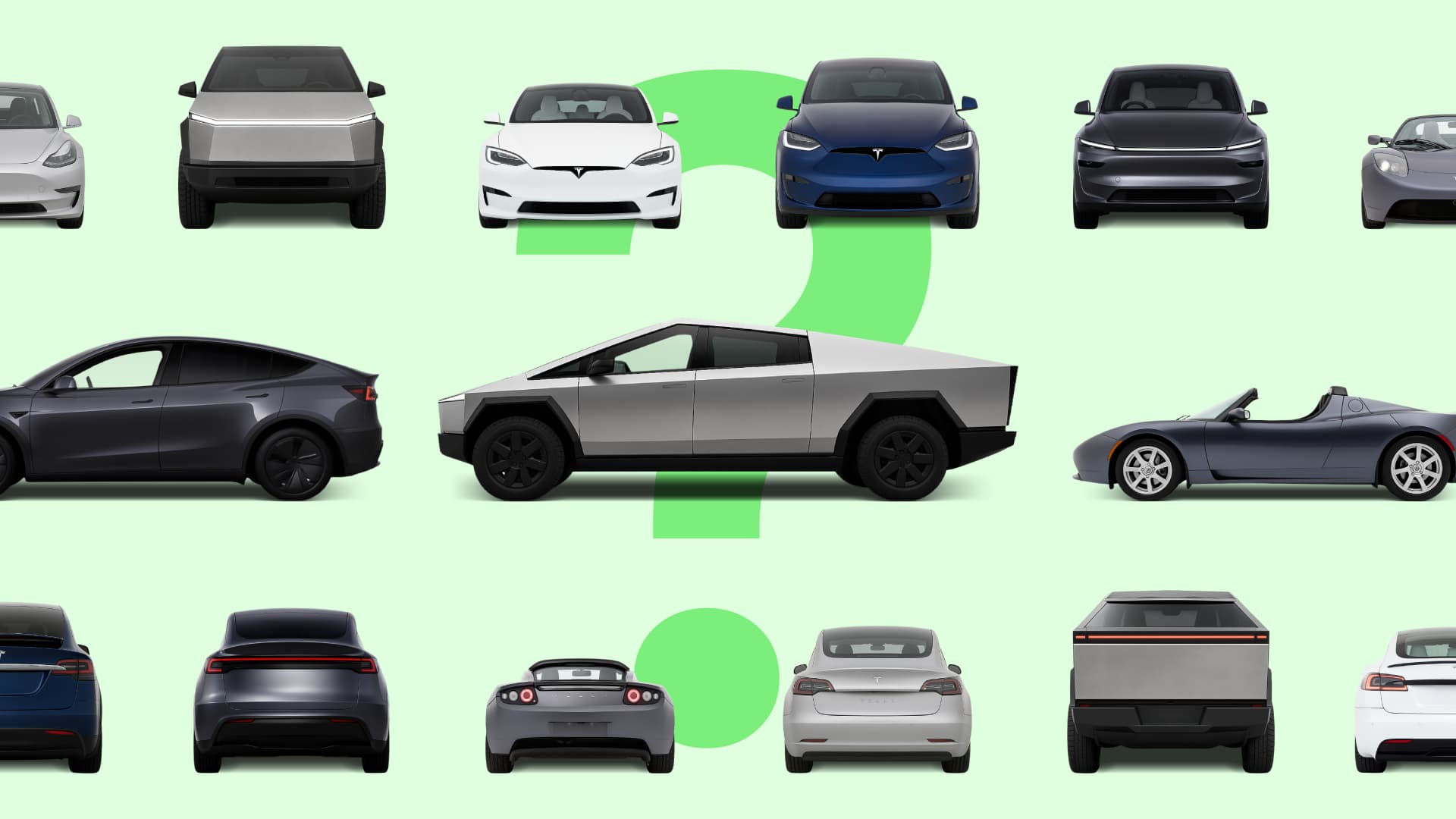
Tesla Size Guide 2026: Model 3 vs Model Y vs Model S vs Model X vs Cybertruck vs Roadster
Compare the size, width, height, cargo space and real-world fit of every Tesla: Model 3, Model Y, Model S, Model X, Cybertruck and Roadster.
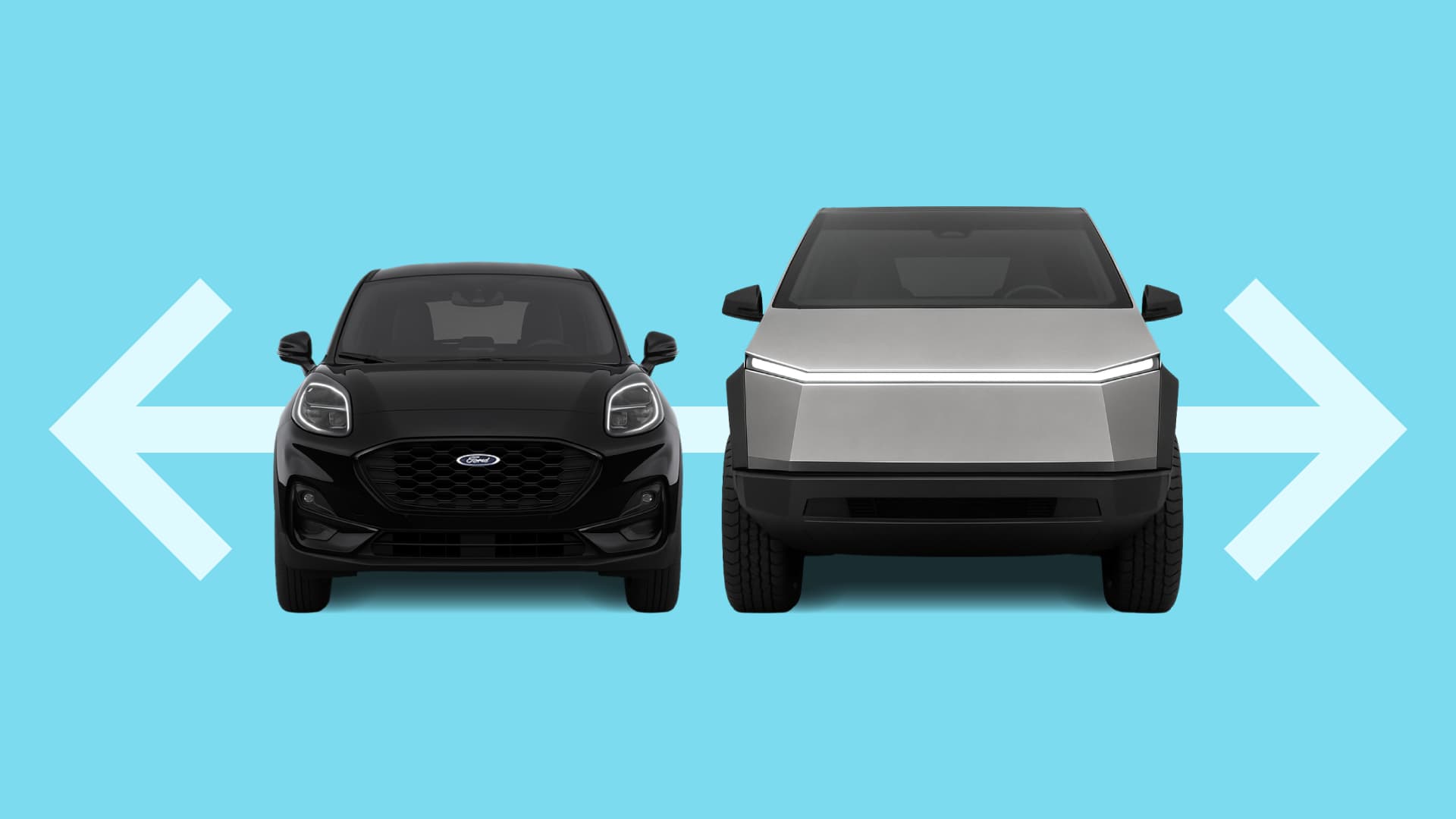
Car width explained: Body width, width with mirrors folded & width including mirrors (with real examples)
Car width made simple: body width, width with mirrors folded and width including mirrors, with real examples from the Model Y, CR-V, Puma, Cybertruck and more.
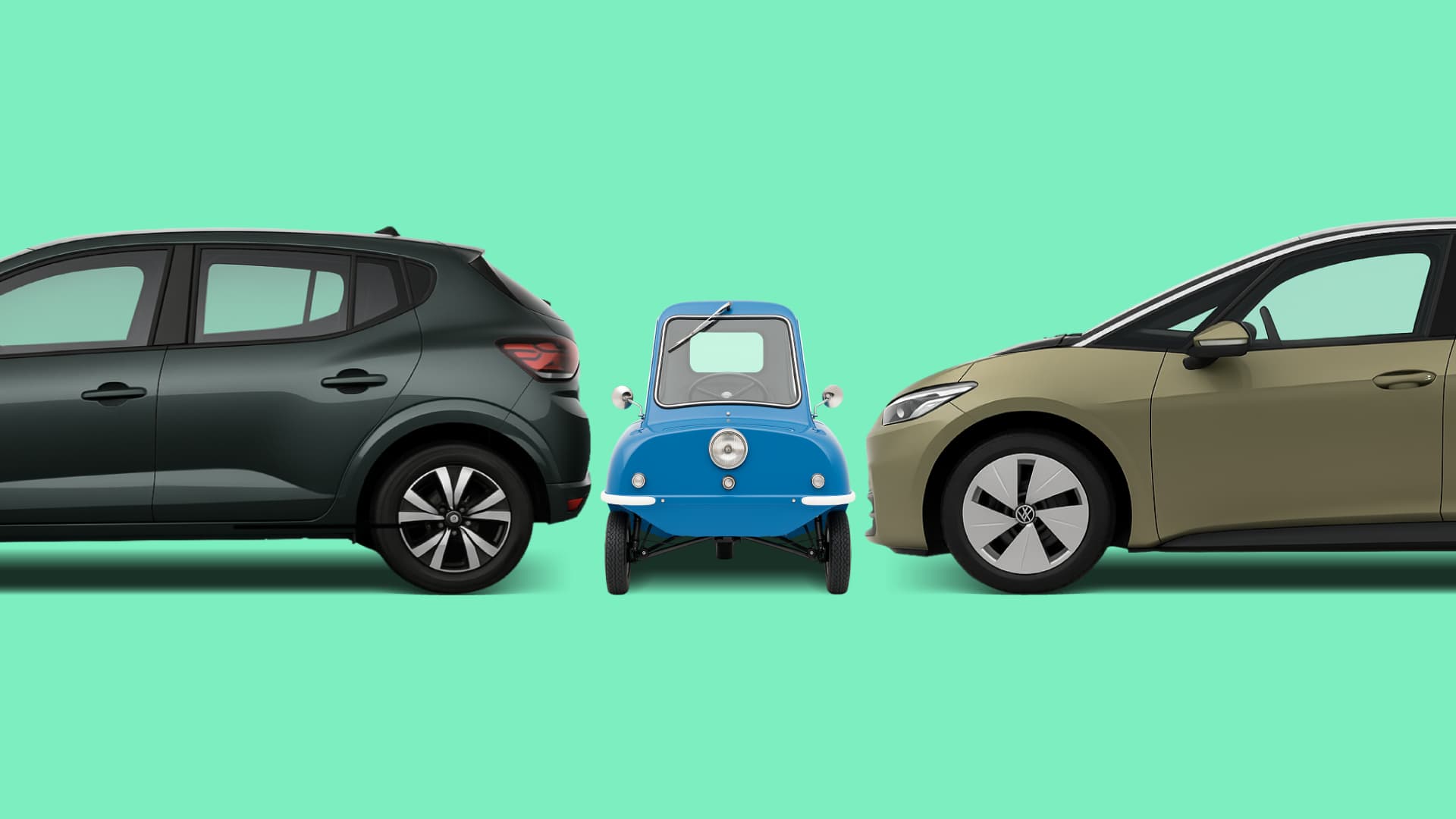
Smallest Car in the World? Peel P50 vs Today’s City Cars (Sandero, Golf & More)
How tiny is the Peel P50? See it compared to today’s city cars including the VW Golf, Toyota Corolla, Dacia Sandero, VW Polo and ID.3 in real dimensions.
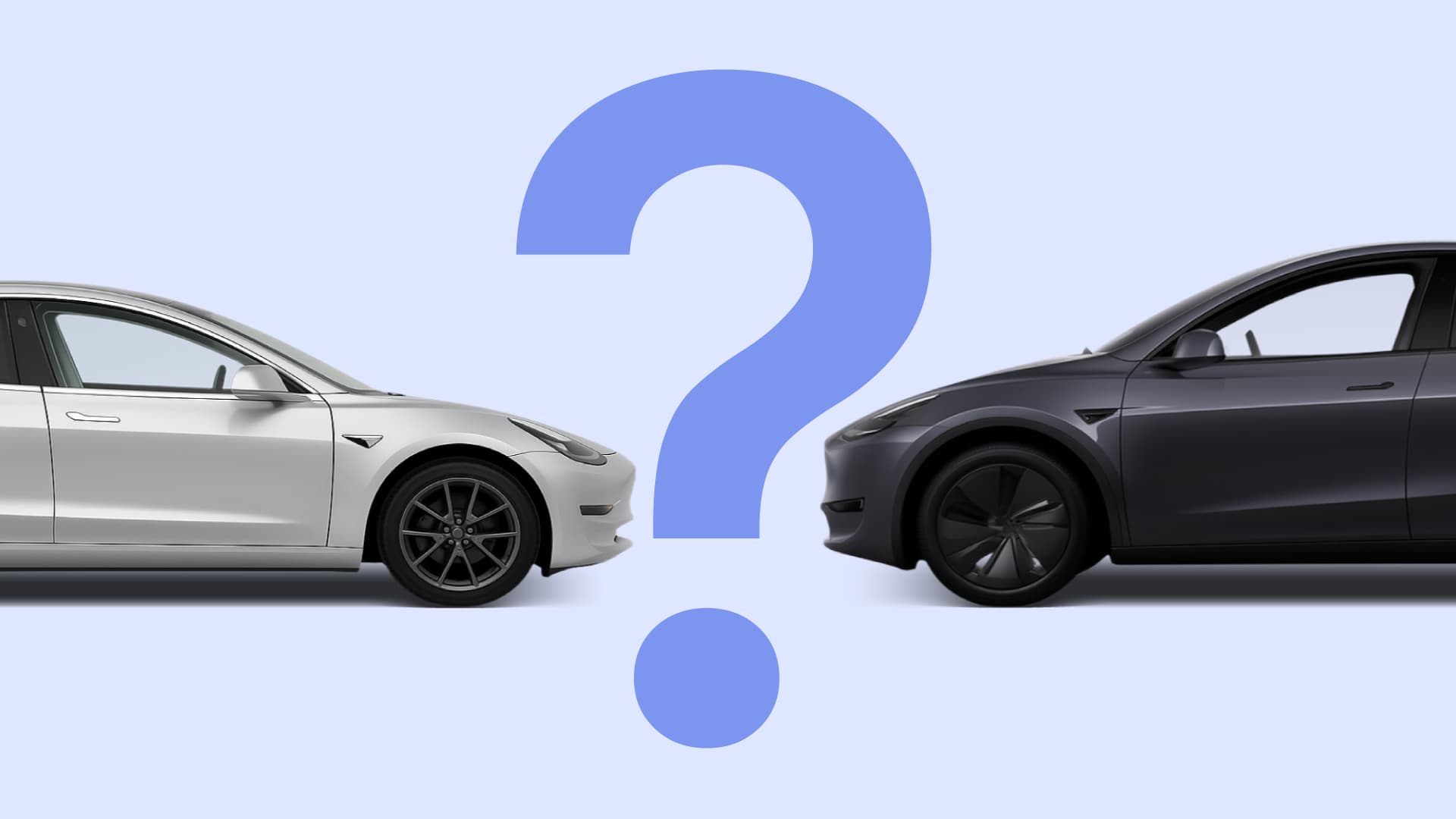
Tesla Model 3 vs Tesla Model Y: size differences, boot space & parking fit
Compare Tesla Model 3 vs Model Y using real measurements. See exterior width, height, boot space, ground clearance, width including mirrors and which one genuinely suits your lifestyle.
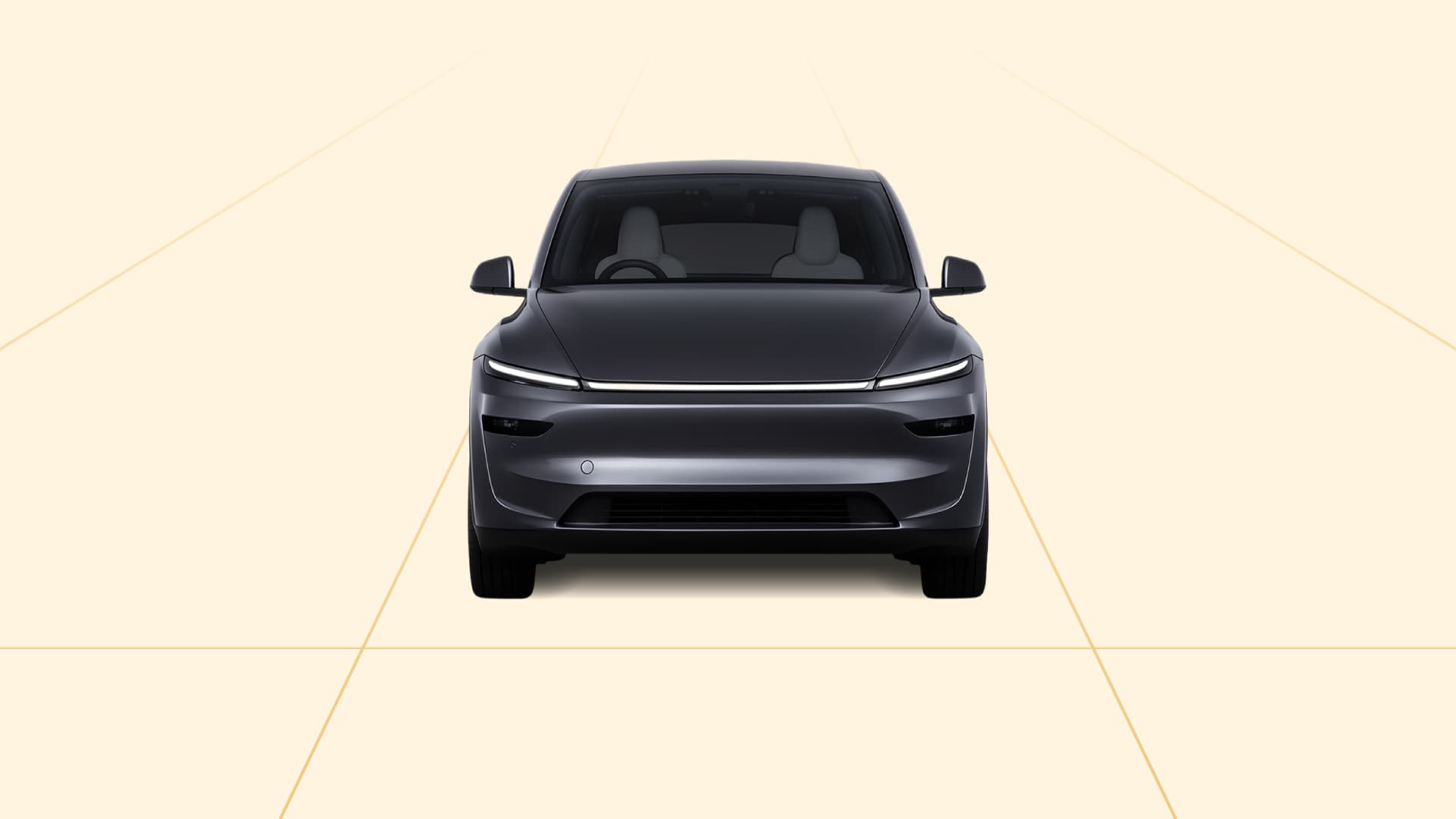
Tesla Model Y Dimensions & Boot Space: Will It Fit a UK Driveway, Garage or Parking Bay?
See how the Tesla Model Y fits UK driveways, garages and parking bays. Full dimensions, width, and boot space explained in real-world terms by Drivesize.
FAQs
Frequently asked questions
Vehicle specifications on this page are sourced from official Volkswagen and Tesla documentation. Unless the page identifies a specific trim, body style, powertrain or market version, DriveSize uses manufacturer-published specifications for the base model as its default reference. DriveSize standardises the published measurements and calculates the comparisons and derived figures shown. Figures can vary by market, model year, trim, powertrain, wheels, tyres and measurement method. How DriveSize sources and calculates these figures.