
Will Your Car Fit in a Standard Parking Space? Parking Space Sizes Explained
Find out if your car will fit in a standard parking space. Compare UK, US and international parking bay sizes, and check real vehicle fit with DriveSize.
• Written by Laurence
You don’t usually find out whether a car truly suits your life on the test drive. You find out later, when you swing into a tight multi-storey, pull up at home, or try to squeeze into a supermarket bay with someone parked half a foot over the line. That’s when size stops being a spec-sheet number and starts becoming part of your daily routine.
A car can feel perfect on the road and still be annoying to live with if it barely fits your garage, overhangs your driveway, or leaves so little room in a parking space that getting out becomes a daily struggle.
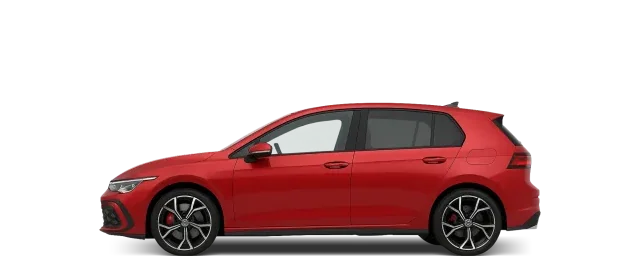
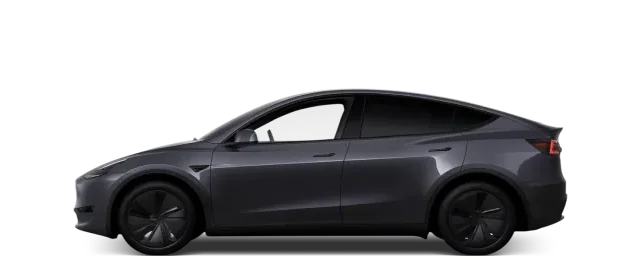
The problem is simple: modern vehicles have grown, but infrastructure has not. I’ve written this guide to explain what a "standard" space looks like in different parts of the world and how to check if your car, or one you're considering buying, whether it's a Volkswagen Golf or a Tesla Model Y, will actually fit your life.
And if you want to skip the guesswork, use the DriveSize parking space visualiser on our car and comparison pages to see how any of our live models sit inside parking spaces from the UK, USA, Australia, Japan, and more.
Fitting in a Space vs Fitting Comfortably
Yes, most cars "fit" in a standard parking space. But there is a massive difference between being between the lines and being able to open your doors to get out.
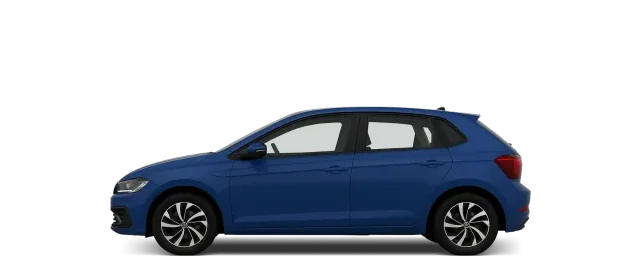
A compact hatchback like the Volkswagen Polo will sit happily inside a standard bay in most countries.
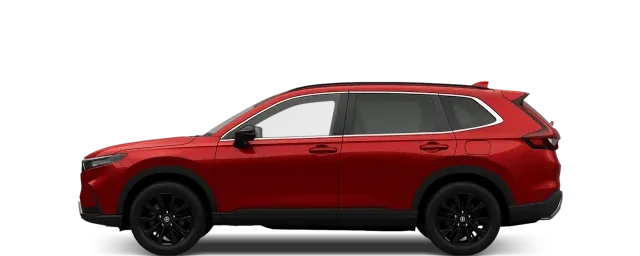
However, a larger SUV like the Honda CR-V or an EV like the Tesla Model Y might leave you with just inches of clearance for your wing mirrors and barely any room for error to fit lengthways between the lines.
What Counts as a Standard Parking Space?
There is no single global size. A car that feels manageable in one country can feel enormous in another. In the UK, the 2.4m x 4.8m benchmark is increasingly under pressure. If you drive a wide vehicle like the Tesla Model Y, whose width including mirrors exceeds 2.1m, you are left with almost zero margin for error.
In the United States, parking spaces are more generous, with many standard bays measuring around 2.75m wide and 5.5m long, giving larger vehicles more breathing room, which helps when the best selling car in the US is almost consistently the Ford F-150.
Australia’s standard parking bays have the same 2.4m width as UK bays, but their 5.4m length is similar to US standards. On the smaller end, in parts of Europe, standard bays can be as narrow as 2.3m and only around 5m long, meaning global best-sellers like the Honda CR-V can even be a tight fit.
That's exactly why our DriveSize visual parking tool is more useful than just a number on a spec sheet. A Toyota RAV4 might look like an easy fit in one country’s standard bay and suddenly look much larger in another.
Why Parking Feels Harder Than It Used To
If parking seems more stressful now than it did 15 or 20 years ago, you aren’t imagining it. Cars have gradually become wider, taller and longer — a trend sometimes called ‘autobesity’, which Ben covered in more detail in our Autobesity article. In a nutshell, buyers want more interior space, more comfort, more technology, bigger wheels, and higher seating positions. EV platforms need room for batteries. Pickups and SUVs have become mainstream in markets where compact cars once dominated, and safety requirements have added bulk. The result is that a modern “normal” car is often much larger than the equivalent model from the past.
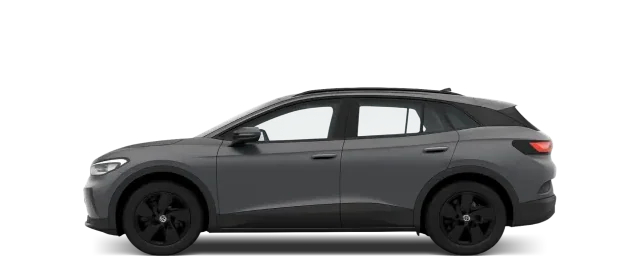
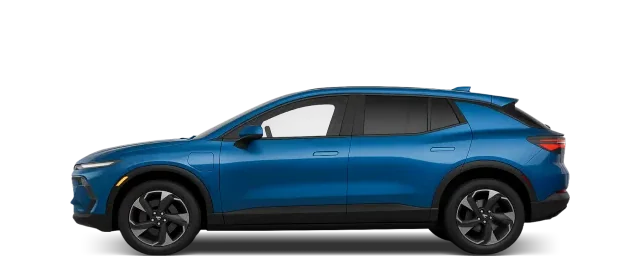
EVs: Electric platforms, like the Volkswagen ID.4 or Chevrolet Equinox EV, often have wider tracks to accommodate room for their batteries, making every parking space feel narrower.
Utility: Pickups like the Ford F-150 are now mainstream in the US, yet they were originally designed for much larger American infrastructure, so day-to-day parking doesn’t always accommodate them.
Why Width Alone Doesn’t Tell the Full Story
This is where many buyers get caught out. When you see a width dimension on a brochure, it is usually called "Body width". That measurement excludes the mirrors, so in the real world you also need to account for:
Width including mirrors: Some mirrors can add 20–30 cm to a car’s body width. The PHEV Honda CR-V’s mirrors add 28.7 cm (11.3 in), making the car extend by more than 5.5 inches on each side beyond its body width.
Door Opening Space: To step out comfortably, most people need an additional 45cm to 60cm of "swing" space.
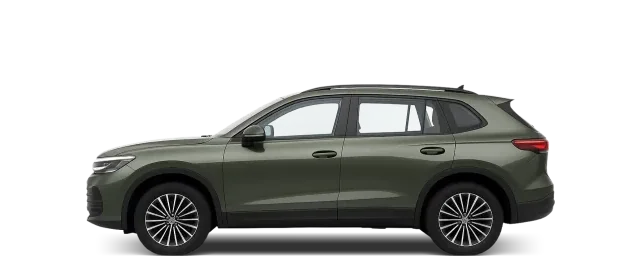
Turning Circles: A car like the Volkswagen Tiguan might fit in the space, but the 11.7m turning circle might make it difficult to turn into a narrow aisle in one go.
What’s Parked Next to You: A perfectly centred car in an empty bay is one thing. The same car parked next to a large SUV hugging the line is a different experience entirely.
Take a look at my Car Width Explained article to learn more.
Does a Bigger Car Always Mean a Worse Parking Experience?
Not always, but it often means less margin for error.
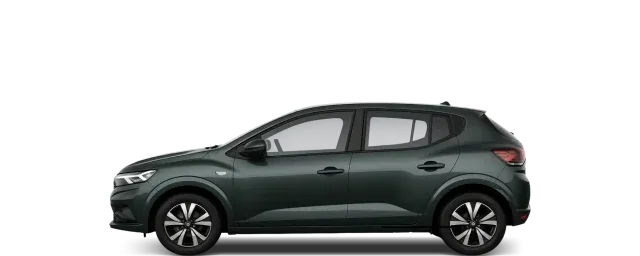
Easy Mode: Compact models like the Dacia Sandero or Volkswagen Polo leave enough room to make daily parking an afterthought.
Precaution Mode: Mid-size favorites like the Volkswagen Tiguan or Toyota RAV4 take up more of the bay. They work fine in modern shopping centers but feel massive in older town-center multi-storeys.
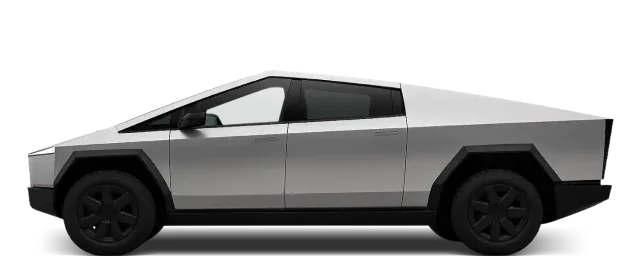
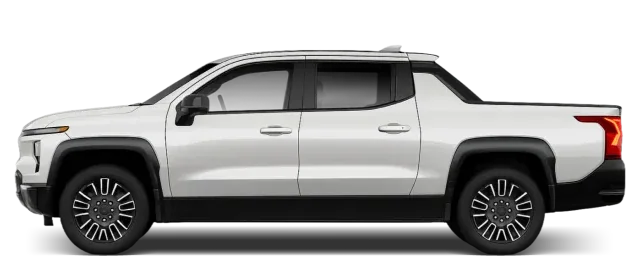
Expert Mode: Full-size trucks and luxury SUVs like the Chevrolet Silverado EV or Tesla Cybertruck can be a massive headache in older urban environments.
That does not mean that bigger cars are the wrong choice. It just means buyers should go in understanding the reality of living a larger vehicle day-to-day.
Garages, Driveways and Multi-Storeys
A standard outdoor parking bay is only one part of the story.
Garages: Many older UK garages were built for cars like the original Mini. Trying to fit a modern Volkswagen Tiguan can result in a car you can just about squeeze into your garage, but can't actually exit unless you climb out of the boot.
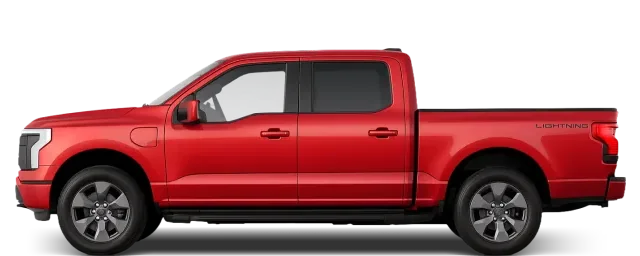
Driveways: Length is key here. You don't want the tail of your Ford F-150 Lightning overhanging onto the public pavement. Gradients matter too, especially for cars with lower ground clearance.
Multi-Storey Car Parks: Columns, ramps and tight-turns are the enemies of long vehicles. A car with a poor turning circle transforms a level change into a three-point turn.
How to Tell if a Car Will Fit
You can now stop relying on imagination or skewed-angle brochure photos. The smartest approach is to actually visualise the fit before you commit to a purchase or a lease.
This is exactly why we built the DriveSize Parking Space Visualiser Tool.
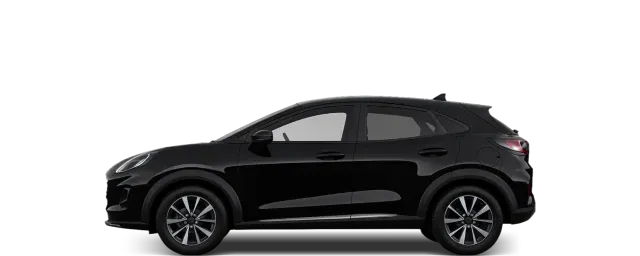
Step 1: Find the car you’re interested in (e.g. the Ford Puma).
Step 2: Use the visualiser in the ‘Parking space fit’ section to see it inside a standard bay for your region.
Step 3: Compare it side-by-side using our comparison tool with your current car to see the difference in width, length and ground clearance, and how they both fit in a space.
You can, of course, choose the Peel P50, it’s the only car on earth that makes a standard parking space look like an aircraft hangar.
The Bottom Line
A lot of cars do still fit in a standard parking space. The bigger question is how comfortably they fit, and how often that’ll matter in your day-to-day life.
The smartest approach is not to guess and not to assume. Check the dimensions, think about where you actually park, and visualise the fit using our parking space visualiser tool before you commit.
Search our database of live car models to start your parking visualisation.



About the author
Automotive Dimensions Editor and Lead Writer
Laurence is the automotive dimensions editor and lead writer at DriveSize, which he has run with Ben since its launch in 2025. He covers vehicle dimensions, model comparisons, EVs and the practical differences between model years, body styles and powertrains. His writing focuses on explaining how measurements such as length, width, height, wheelbase and ground clearance work together. Laurence aims to help our readers understand what the figures show, how apparently similar cars can differ and which differences are likely to matter in everyday use.