
1962 Peel P50 vs 2024 Volkswagen Golf
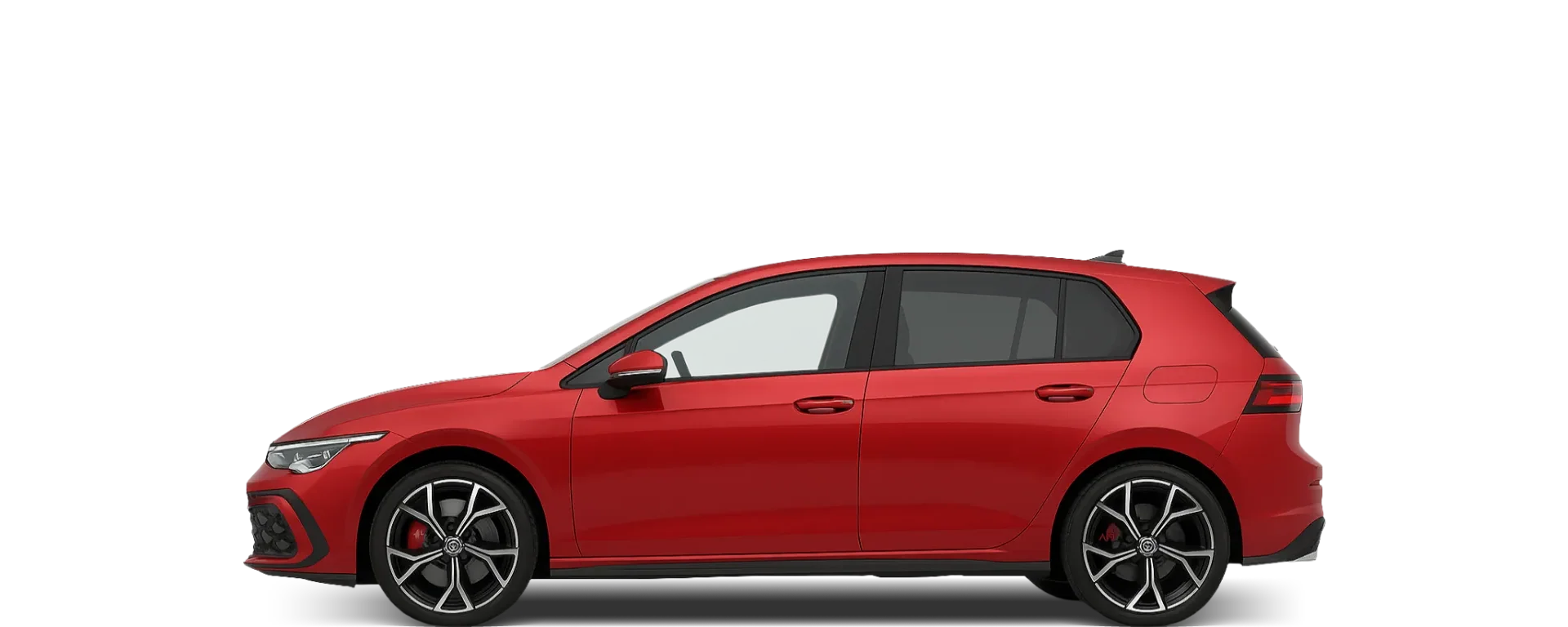

Which is bigger, the 1962 Peel P50 or 2024 Volkswagen Golf?
Key dimensions: length, width, height
With a length difference of 291 cm, the 2024 Volkswagen Golf and 1962 Peel P50 are worlds apart. The 2024 Volkswagen Golf is an incredible 79.8 cm wider, making the 1962 Peel P50 look like a toy in comparison. The 2024 Volkswagen Golf is an incredible 28.3 cm taller, which fundamentally alters the ease of access and the total volume of the interior relative to the 1962 Peel P50. With a 142 cm shorter wheelbase the 1962 Peel P50 is a master of tight spaces in comparison to the 2024 Volkswagen Golf which would win as a master of the open road.
Measurements
Length
137.2 cm
428.2 cm (+291)
Height
120 cm
148.3 cm (+28.3)
Body width
99.1 cm
178.9 cm (+79.8)
Width including mirrors
N/A
207.3 cm
Ground clearance
12.7 cm
N/A
Wheelbase
120 cm
262 cm (+142)
Footprint
DriveSize footprint is overall length multiplied by body width.
1.4 m²
7.7 m² (+6.3)
How each car compares with its class average
Length
137.2 cm
161.7 cm shorter than the average Microcar
428.2 cm
13 cm longer than the average Hatchback
Height
120 cm
36 cm shorter than the average Microcar
148.3 cm
0.4 cm taller than the average Hatchback
Body width
99.1 cm
48.2 cm narrower than the average Microcar
178.9 cm
2.4 cm wider than the average Hatchback
Width including mirrors
N/A
207.3 cm
7.8 cm wider than the average Hatchback
Ground clearance
12.7 cm
1.5 cm less ground clearance than the average Microcar
N/A
Wheelbase
120 cm
86.7 cm shorter wheelbase than the average Microcar
262 cm
2.9 cm longer wheelbase than the average Hatchback
Footprint
DriveSize footprint is overall length multiplied by body width.
1.4 m²
3.1 m² smaller footprint than the average Microcar
7.7 m²
0.3 m² larger footprint than the average Hatchback
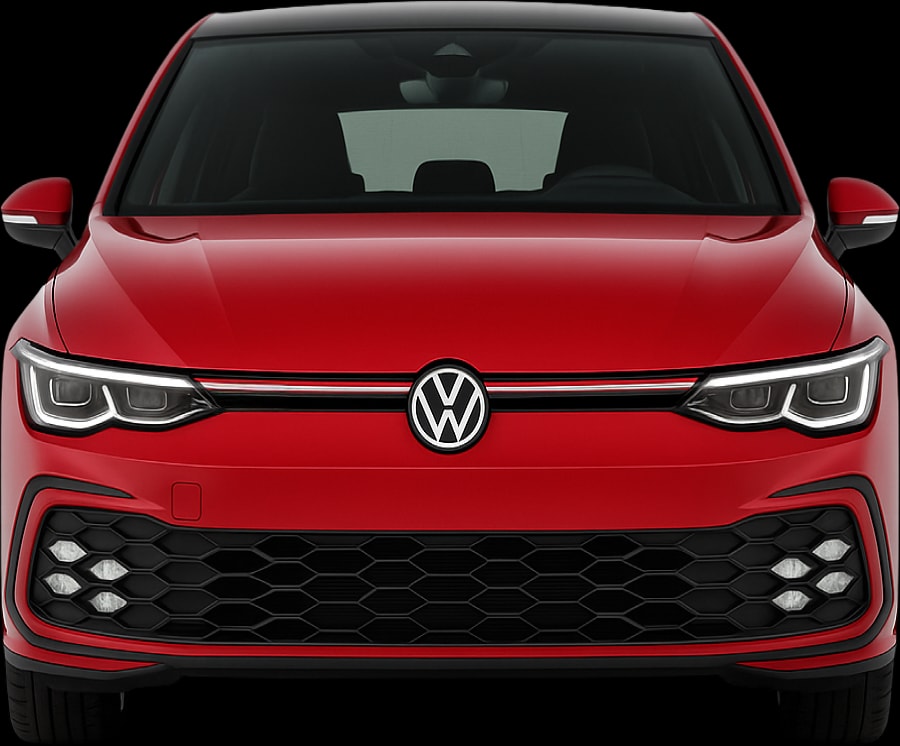
Front view


Cargo Capacity: which has more space?
Standard and largest cargo capacity
The 2024 Volkswagen Golf is the only model in this pair with confirmed cargo stats, with a 381 L (VDA) capacity that is average for its class.
Measurements
Standard cargo capacity (VDA)
The standard cargo capacity using VDA, the method commonly used globally.
This is the manufacturer's normal published figure; it does not imply a particular seat configuration.
N/A
381 L
How each car compares with its class average
Standard cargo capacity (VDA)
The standard cargo capacity using VDA, the method commonly used globally.
This is the manufacturer's normal published figure; it does not imply a particular seat configuration.
N/A
381 L
38 L more cargo volume than the average Hatchback
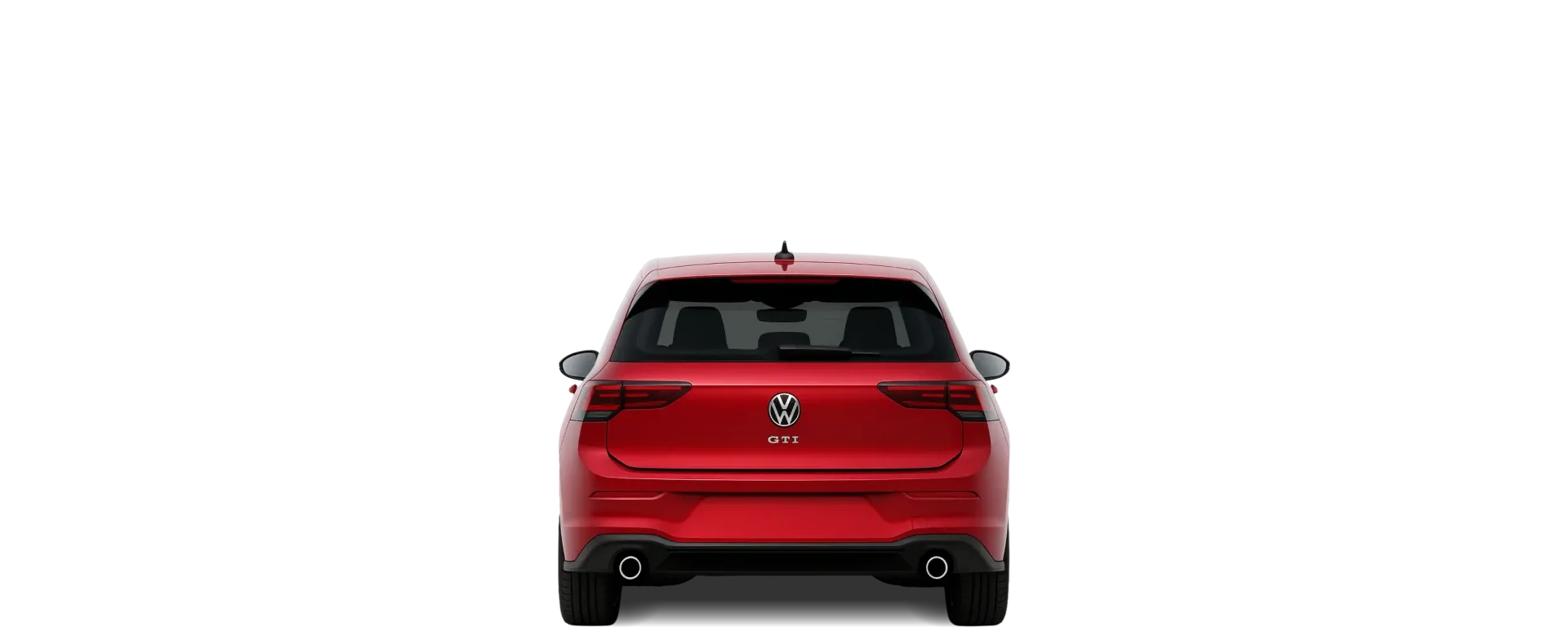
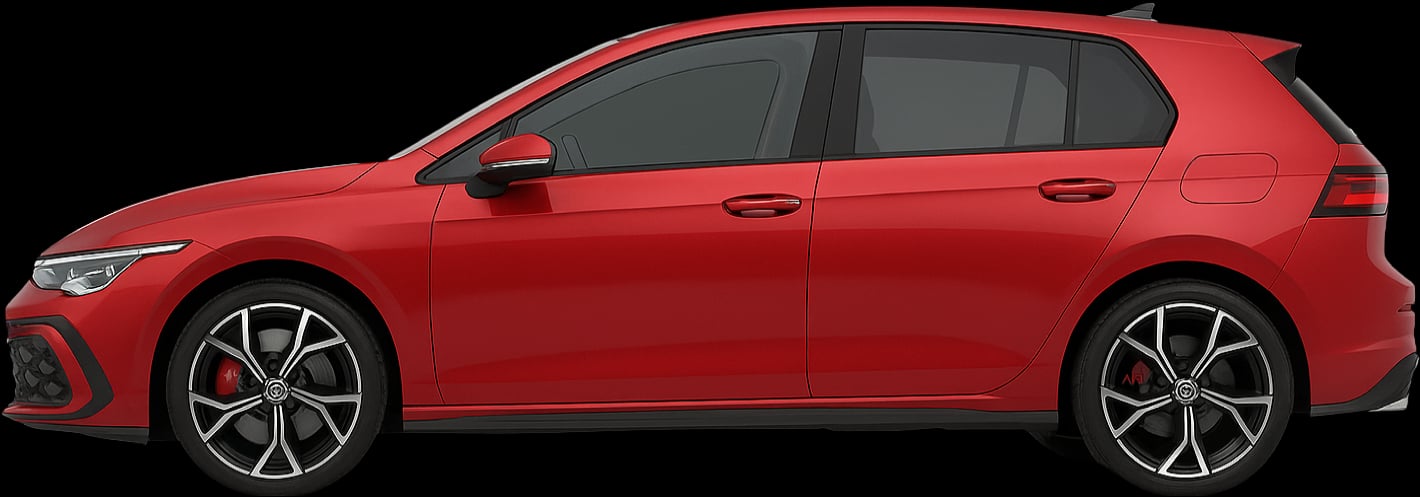
Rear view

Details
Doors, seats, weight, maneuverability
With 5 doors, the 2024 Volkswagen Golf offers more points of entry than the 1962 Peel P50, which typically makes loading passengers or gear into the back easier. The 4-seat contrast in passenger capacity between the 2024 Volkswagen Golf and 1962 Peel P50 is huge. There's a total contrast in maneuverability; the 2024 Volkswagen Golf requires an extreme 7.4 m more room for a U-turn. If efficiency and agility are your goals, the 1962 Peel P50’s 1,248 kg less weight is an extreme advantage.
Measurements
Doors
1
5 (+4)
Max. seats
1
5 (+4)
Turning circle
3.7 m
11.1 m (+7.4)
Curb weight
59 kg
1,307 kg (+1,248)
How each car compares with its class average
Turning circle
3.7 m
4.6 m smaller turning circle than the average Microcar
11.1 m
0.7 m larger turning circle than the average Hatchback
Curb weight
59 kg
643 kg lighter than the average Microcar
1,307 kg
54 kg heavier than the average Hatchback
DriveSize manoeuvrability
DriveSize manoeuvrability combines turning circle and footprint, with turning circle weighted more heavily.
A positive percentage means more manoeuvrable than the class average and a negative percentage means less manoeuvrable.
+2%
More manoeuvrable than the average Microcar
-6%
Less manoeuvrable than the average Hatchback
Parking
Will the 1962 Peel P50 or 2024 Volkswagen Golf fit in a standard parking space?
1962 Peel P50 parking fit score
DriveSize compares the car's width and length with typical parking-space sizes by region.
Vehicle dimensions are rounded up and available side or length clearance is rounded down.
Side clearance is based on body width where available; real spaces can vary because of mirrors, walls, pillars, kerbs, bay markings, and nearby cars.
For an average USA / Canada space: body side clearance is 87.5 cm per side, and length clearance is 206 cm at each end.
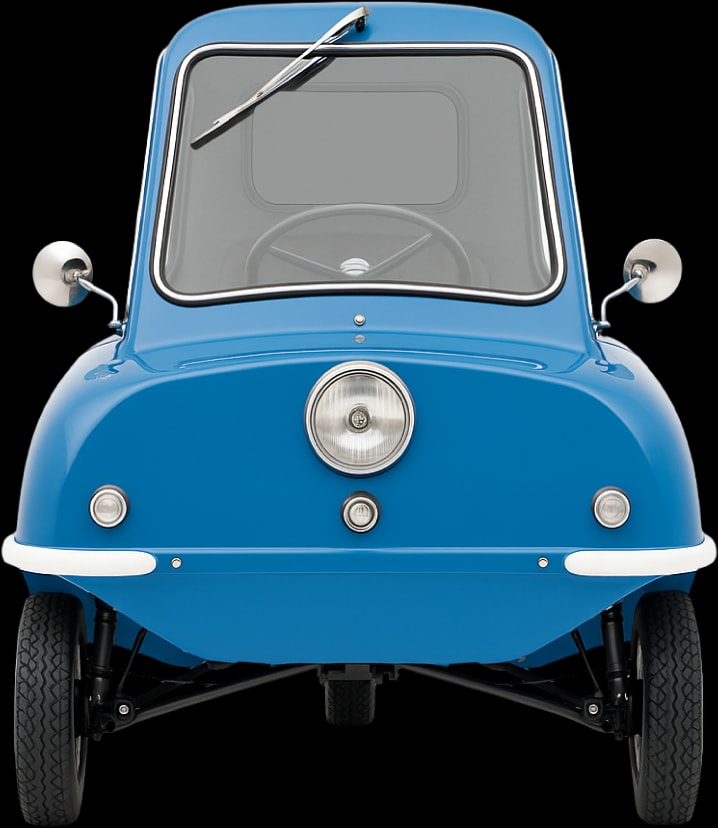
Body side clearance
87.5 cm
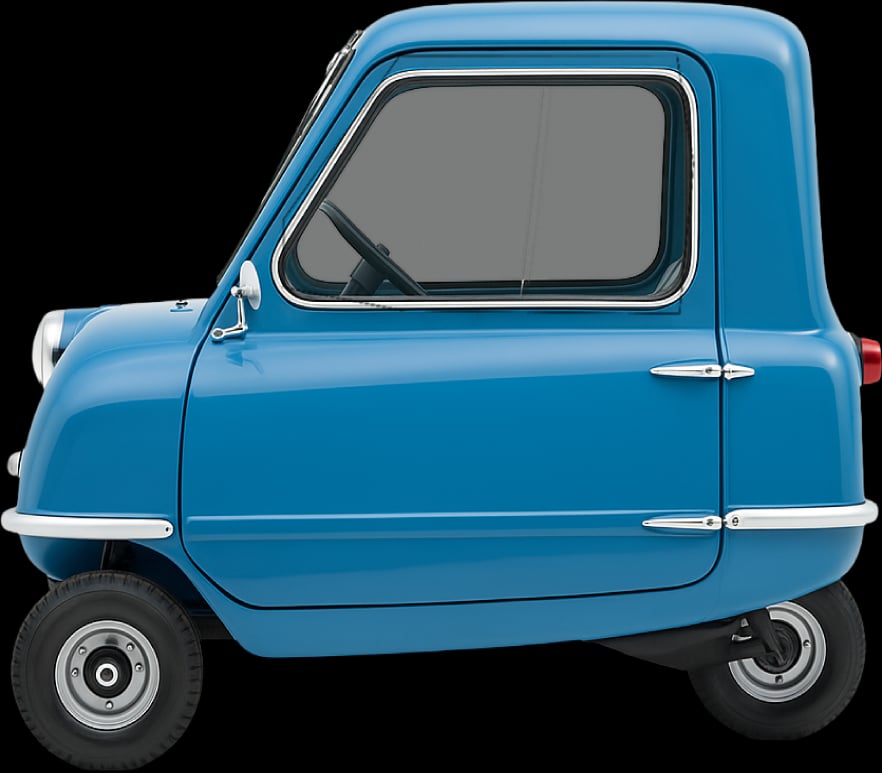
Length clearance (at each end)
206 cm
2024 Volkswagen Golf parking fit score
DriveSize compares the car's width and length with typical parking-space sizes by region.
Vehicle dimensions are rounded up and available side or length clearance is rounded down.
Side clearance is based on body width where available; real spaces can vary because of mirrors, walls, pillars, kerbs, bay markings, and nearby cars.
For an average USA / Canada space: body side clearance is 48 cm per side, and length clearance is 60.5 cm at each end.
Body side clearance
48 cm
Length clearance (at each end)
60.5 cm
Articles featuring these cars
View all
Will Your Car Fit in a Standard Parking Space? Parking Space Sizes Explained
Find out if your car will fit in a standard parking space. Compare UK, US and international parking bay sizes, and check real vehicle fit with DriveSize.
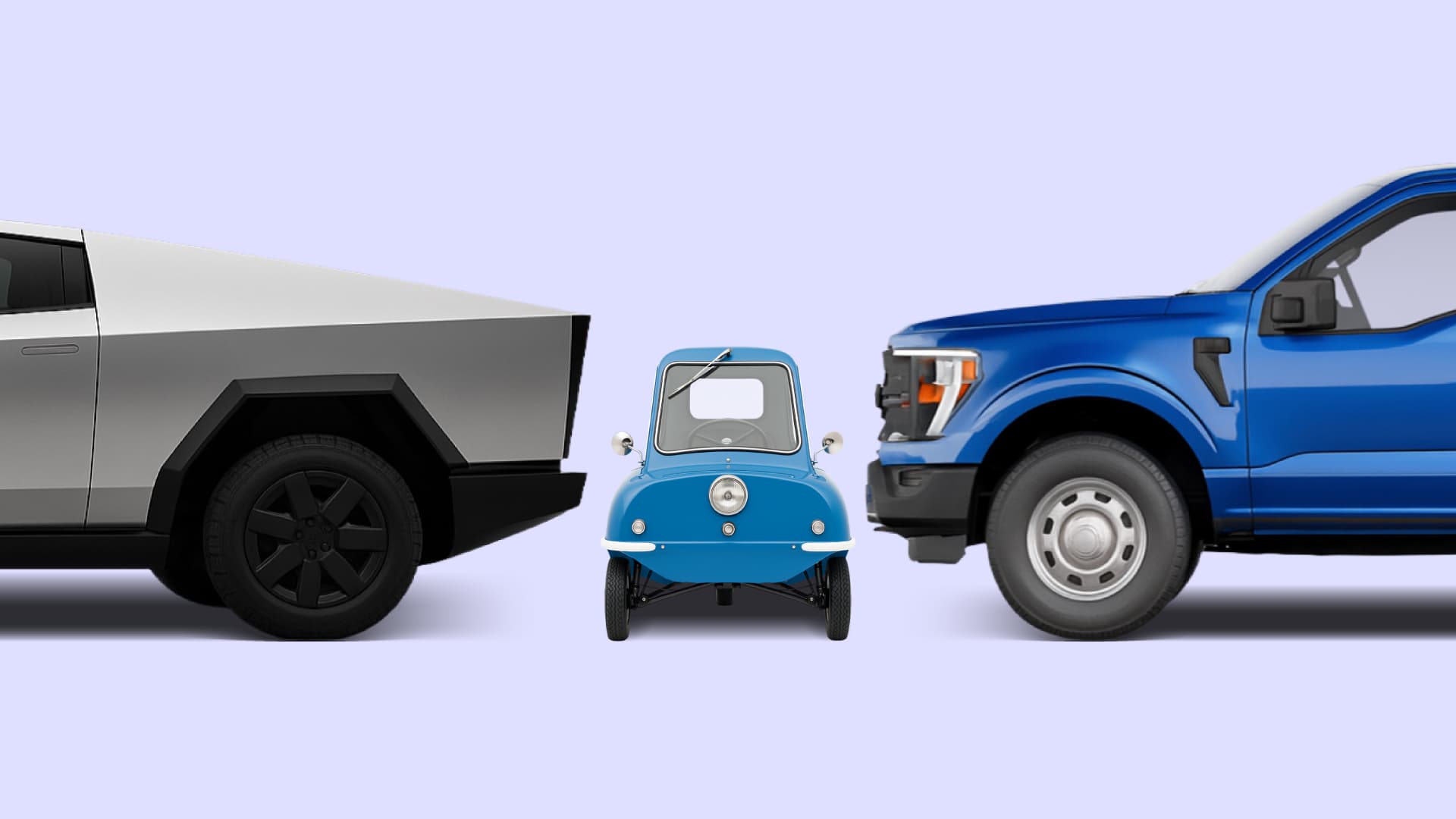
Smallest Car vs the Giants: Peel P50 vs Cybertruck, F-150, Land Cruiser, Palisade & Wrangler
How tiny is the Peel P50 really? See it compared with giants like the Cybertruck, F-150, Land Cruiser, Palisade and Wrangler using real dimensions.
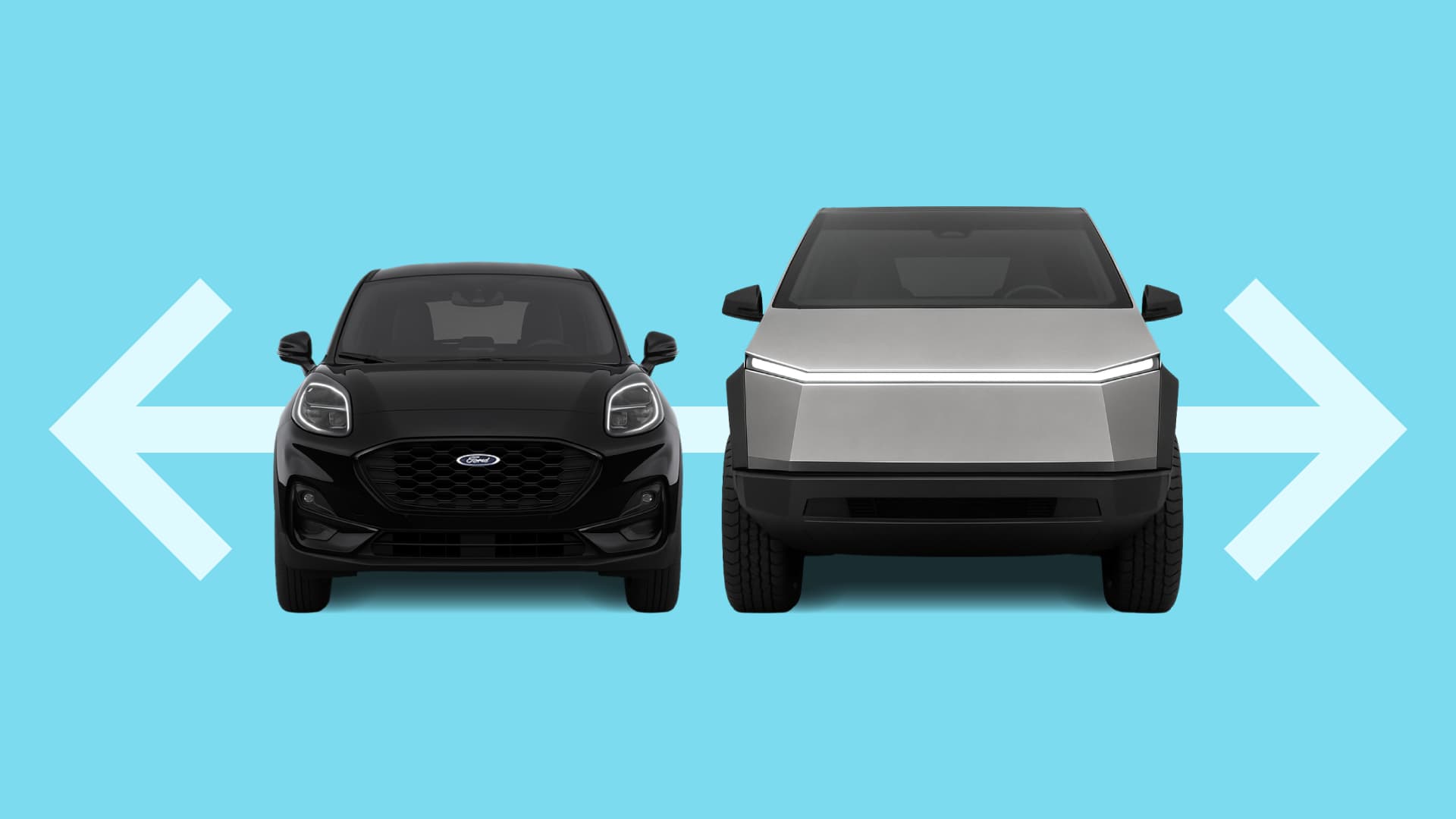
Car width explained: Body width, width with mirrors folded & width including mirrors (with real examples)
Car width made simple: body width, width with mirrors folded and width including mirrors, with real examples from the Model Y, CR-V, Puma, Cybertruck and more.
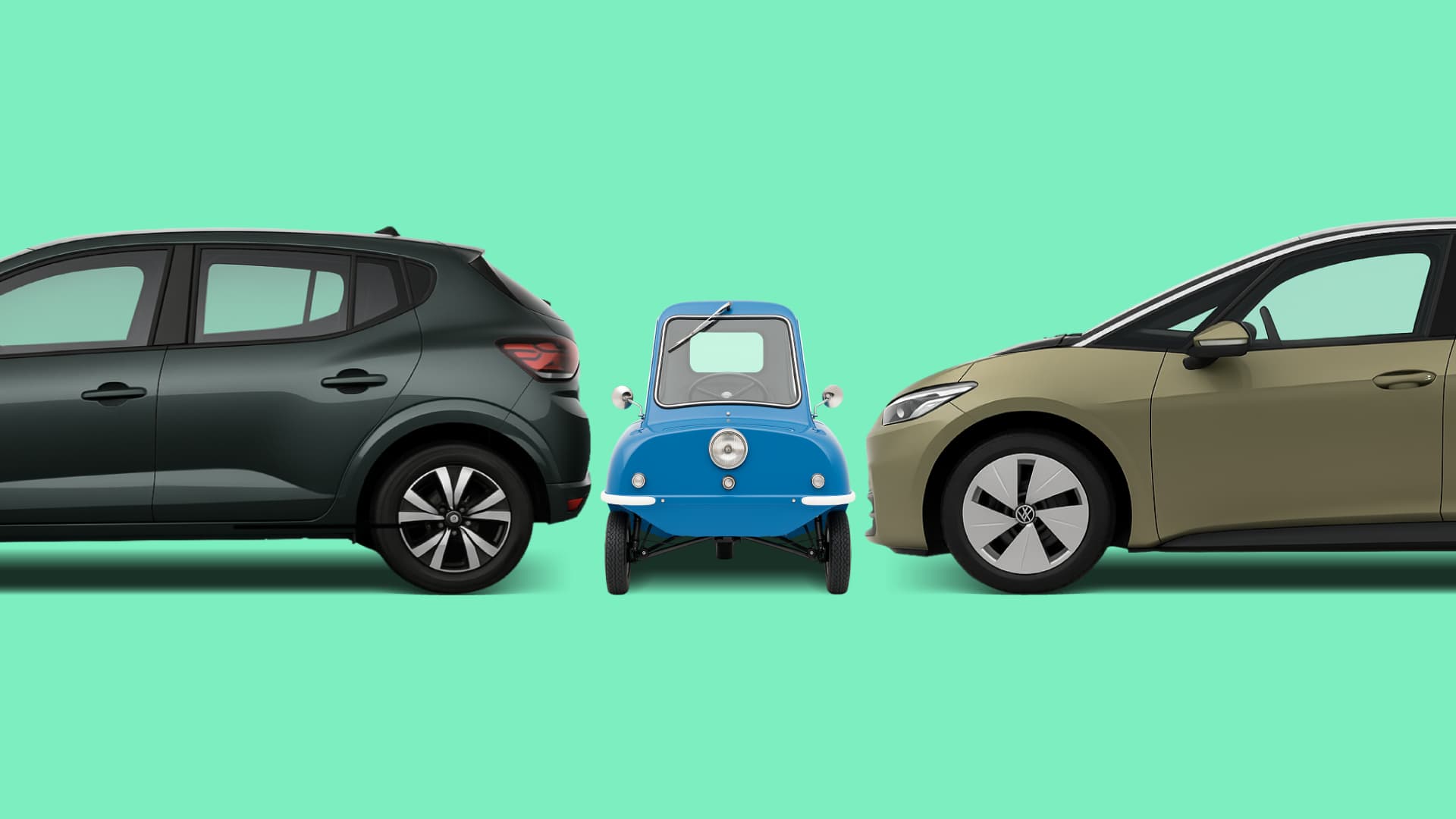
Smallest Car in the World? Peel P50 vs Today’s City Cars (Sandero, Golf & More)
How tiny is the Peel P50? See it compared to today’s city cars including the VW Golf, Toyota Corolla, Dacia Sandero, VW Polo and ID.3 in real dimensions.
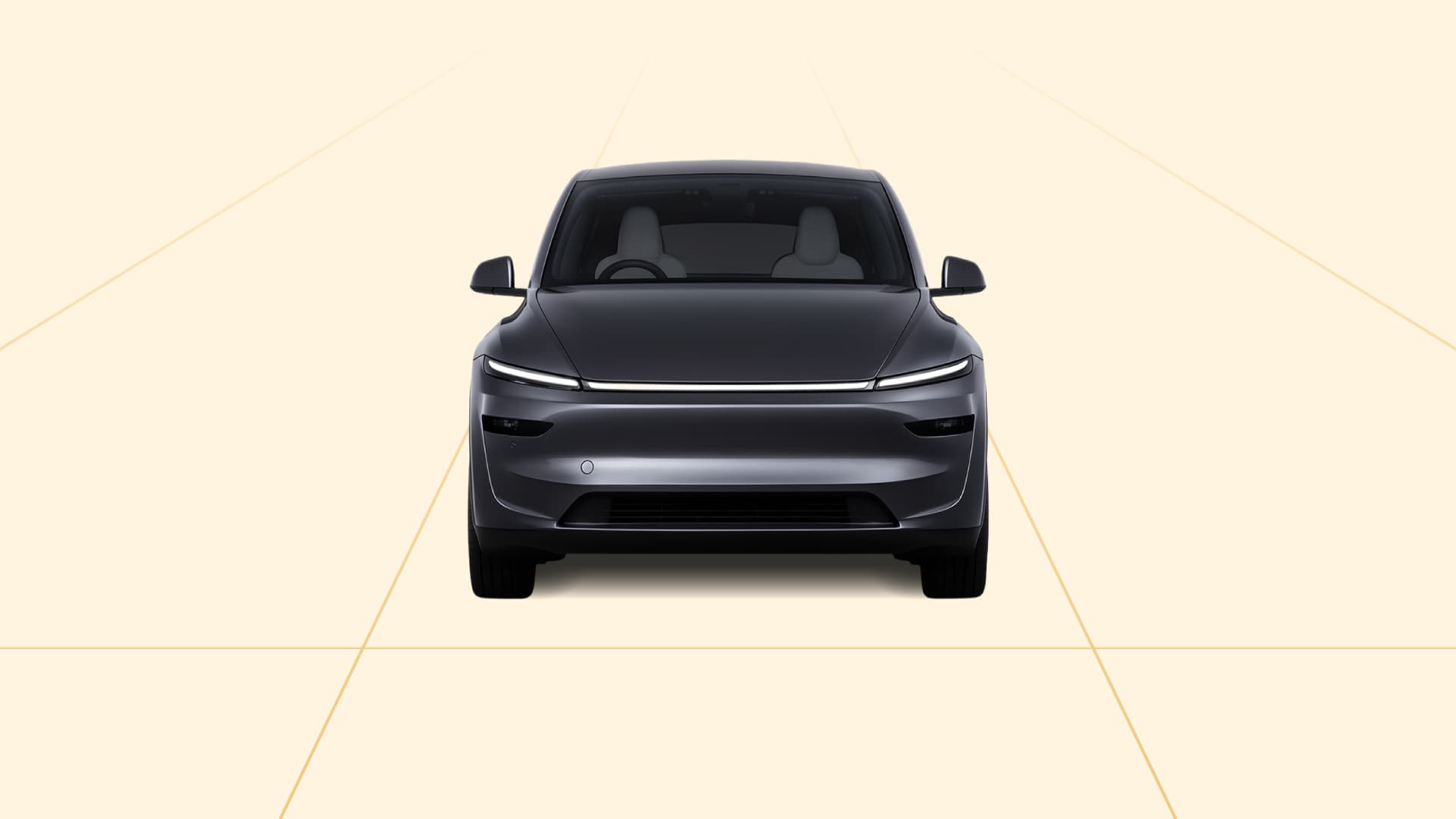
Tesla Model Y Dimensions & Boot Space: Will It Fit a UK Driveway, Garage or Parking Bay?
See how the Tesla Model Y fits UK driveways, garages and parking bays. Full dimensions, width, and boot space explained in real-world terms by Drivesize.
How to Understand Car Dimensions: Length, Width, Wheelbase and More
Confused by car dimensions? Learn how length, width, height, wheelbase and ground clearance affect comfort, space and performance. The ultimate 2025 guide for smart car buyers.
FAQs
Frequently asked questions
Vehicle specifications on this page are sourced from official Peel and Volkswagen documentation. Unless the page identifies a specific trim, body style, powertrain or market version, DriveSize uses manufacturer-published specifications for the base model as its default reference. DriveSize standardises the published measurements and calculates the comparisons and derived figures shown. Figures can vary by market, model year, trim, powertrain, wheels, tyres and measurement method. How DriveSize sources and calculates these figures.