
2022 Toyota RAV4 vs 2022 Volkswagen Virtus
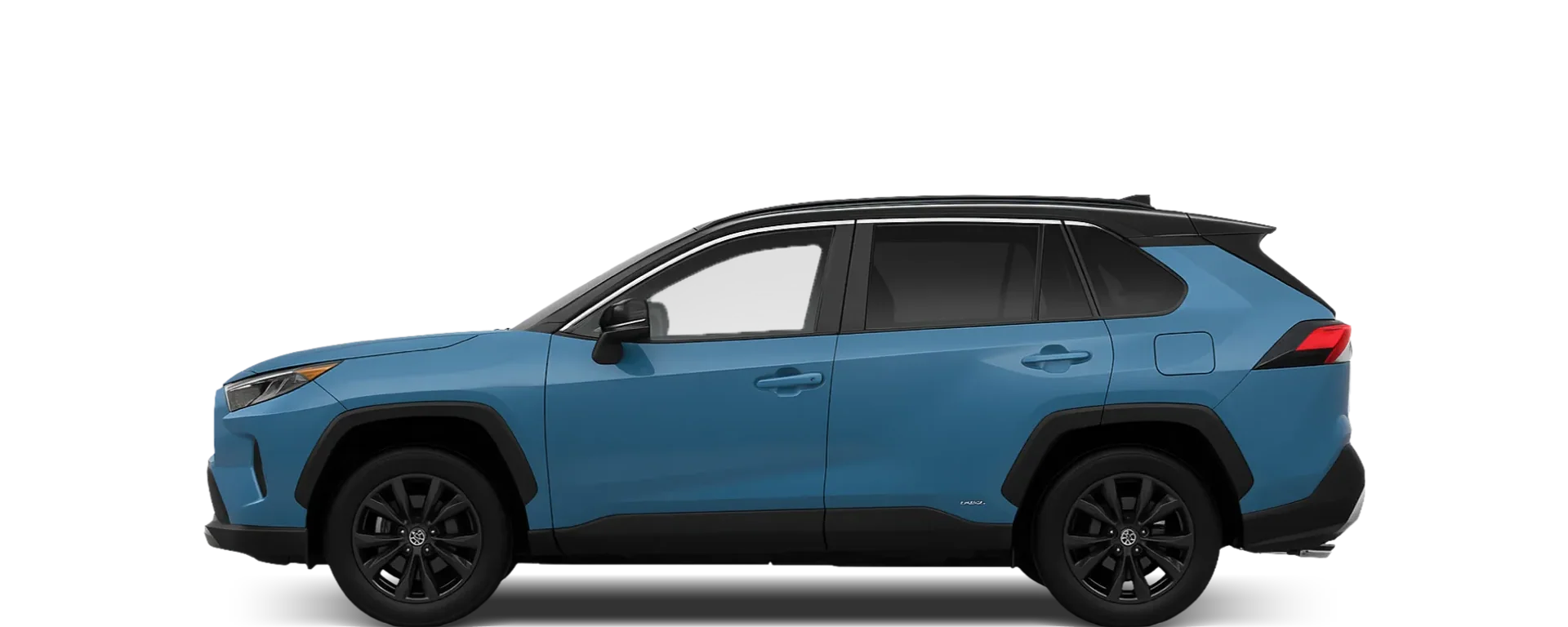
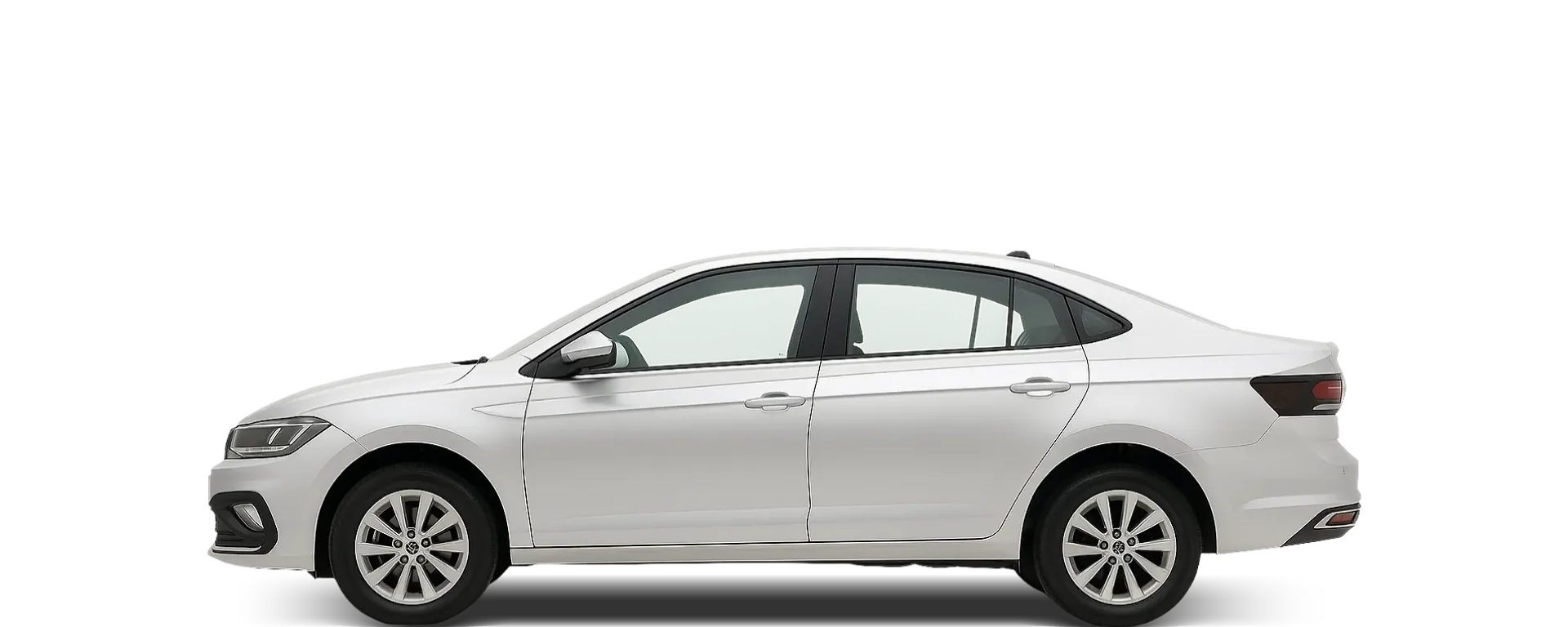
Which is bigger, the 2022 Toyota RAV4 or 2022 Volkswagen Virtus?
Key dimensions: length, width, height
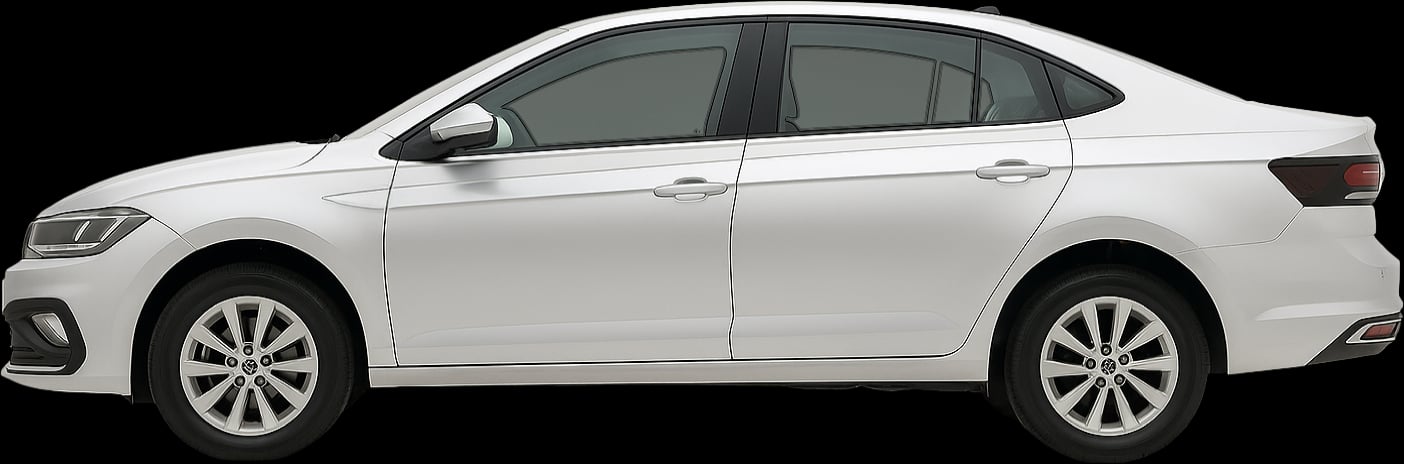
Measured front to rear bumper, the 2022 Toyota RAV4 is longer than the 2022 Volkswagen Virtus by just 3.4 cm, making the length difference between them marginal. The 2022 Toyota RAV4 is significantly wider, which may offer more shoulder room inside but could make tight parking garages more challenging. The 2022 Toyota RAV4 utilises its extra 19.5 cm of height to maximise cabin volume, making it feel larger inside than the 2022 Volkswagen Virtus. Sitting with 3.4 cm higher ground clearance, the 2022 Toyota RAV4 is better prepared for those unexpected potholes than the 2022 Volkswagen Virtus. They are effectively twins in terms of axle spacing, with a negligible 3.9 cm wheelbase difference.
Measurements
Length
459.5 cm (+3.4)
456.1 cm
Height
170.2 cm (+19.5)
150.7 cm
Body width
185.4 cm (+10.2)
175.2 cm
Ground clearance
21.3 cm (+3.4)
17.9 cm
Wheelbase
269 cm (+3.9)
265.1 cm
Footprint
DriveSize footprint is overall length multiplied by body width.
8.5 m² (+0.5)
8 m²
How each car compares with its class average
Length
459.5 cm
6.9 cm longer than the average Crossover
456.1 cm
16.8 cm shorter than the average Sedan
Height
170.2 cm
7.4 cm taller than the average Crossover
150.7 cm
4.9 cm taller than the average Sedan
Body width
185.4 cm
0.5 cm wider than the average Crossover
175.2 cm
7.8 cm narrower than the average Sedan
Ground clearance
21.3 cm
3.2 cm more ground clearance than the average Crossover
17.9 cm
3.9 cm more ground clearance than the average Sedan
Wheelbase
269 cm
3.4 cm shorter wheelbase than the average Crossover
265.1 cm
13 cm shorter wheelbase than the average Sedan
Footprint
DriveSize footprint is overall length multiplied by body width.
8.5 m²
0.1 m² larger footprint than the average Crossover
8 m²
0.7 m² smaller footprint than the average Sedan
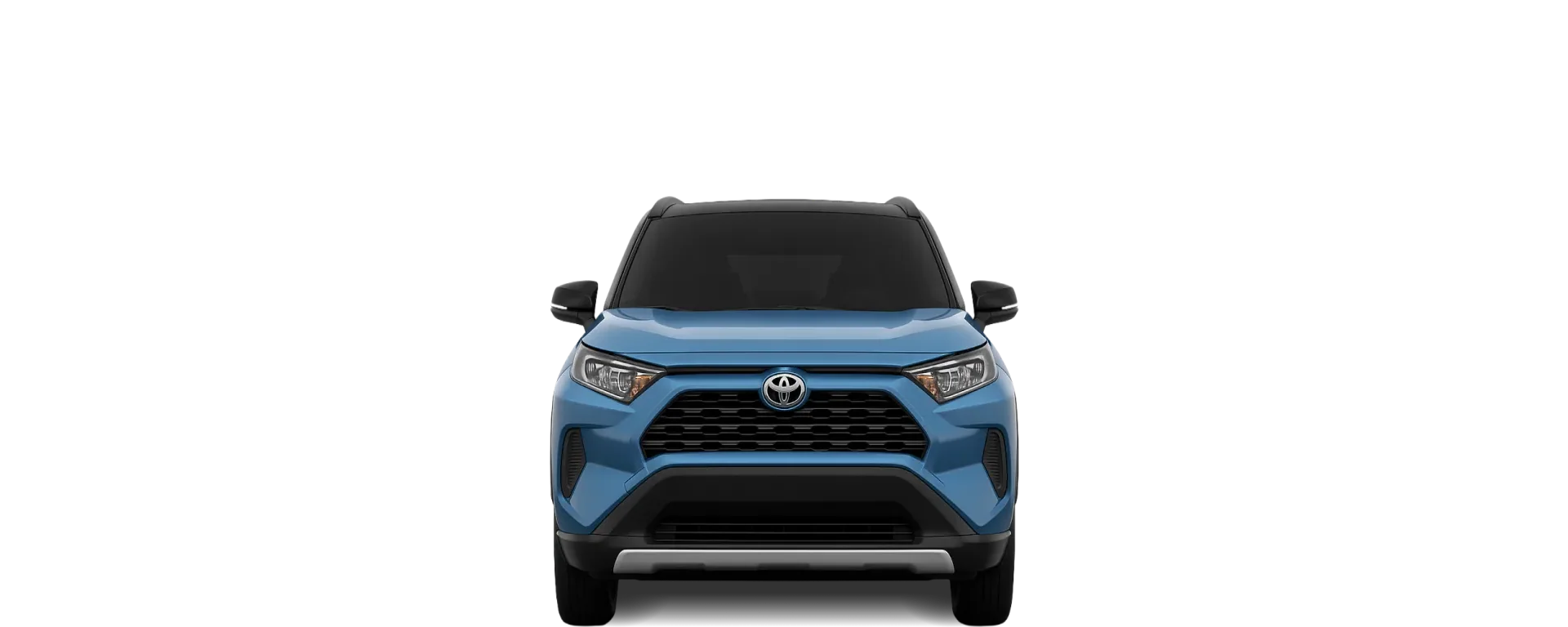
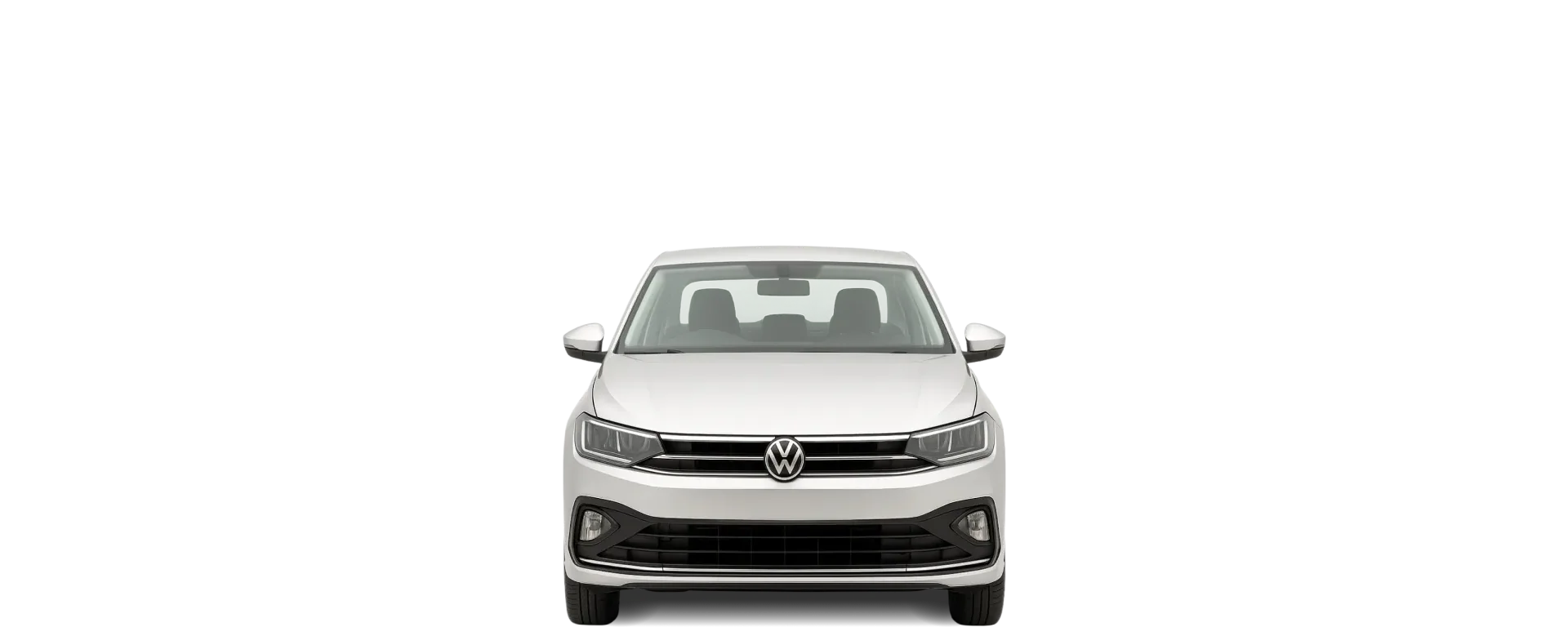
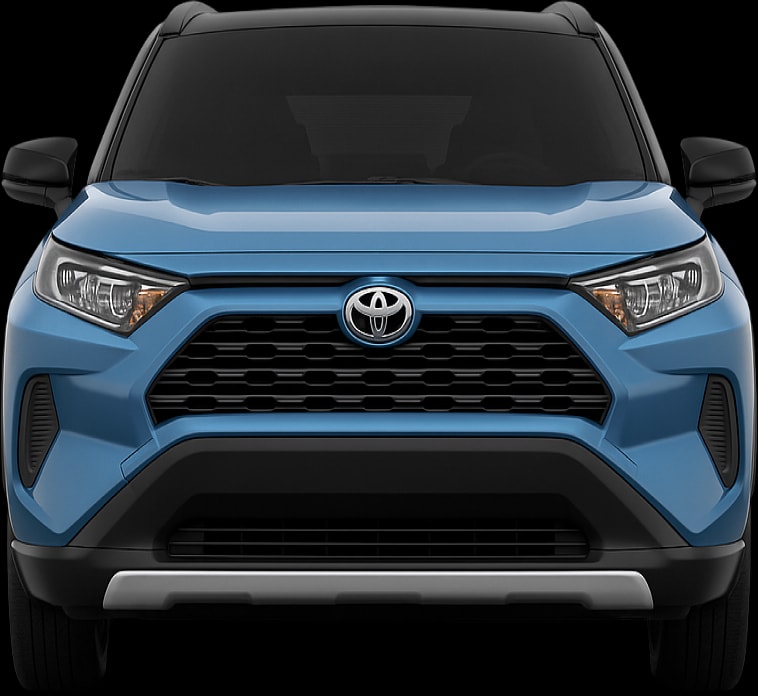
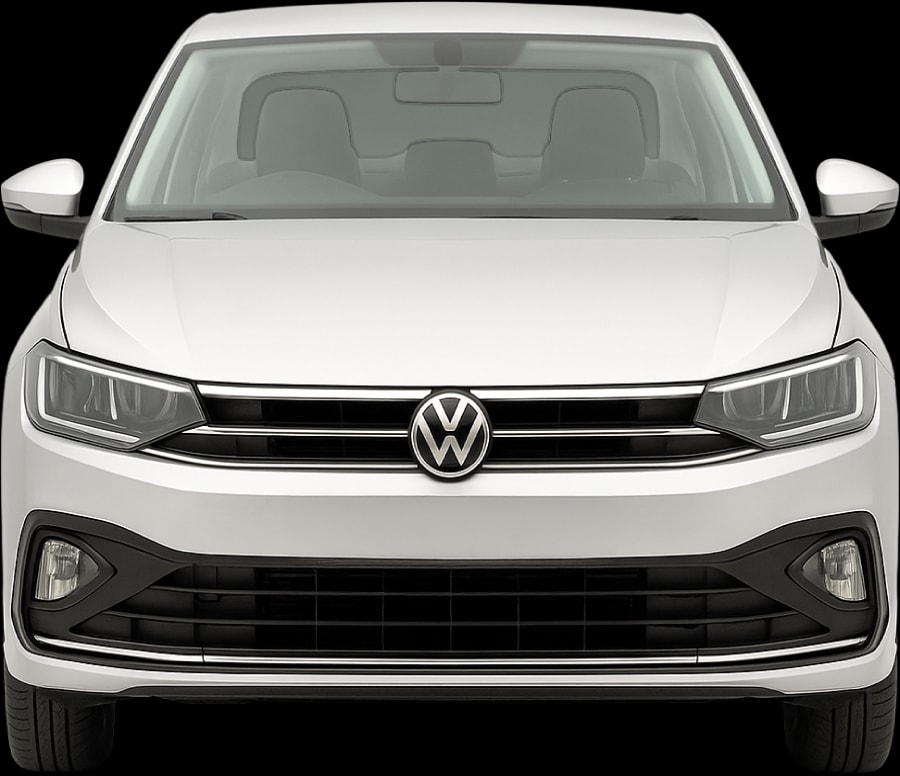
Front view
Cargo Capacity: which has more space?
Standard and largest cargo capacity
The 2022 Toyota RAV4 offers a 59 L lead in the boot and a gigantic 640 L (VDA) edge with the seats down.
Measurements
Standard cargo capacity (VDA)
The standard cargo capacity using VDA, the method commonly used globally.
This is the manufacturer's normal published figure; it does not imply a particular seat configuration.
580 L (+59)
521 L
Largest cargo capacity (VDA)
The largest cargo capacity using VDA, the method commonly used globally.
If only one VDA figure is published, the standard and largest values are the same.
1,690 L (+640)
1,050 L
Standard cargo capacity (SAE)
The standard cargo capacity using SAE, the method commonly used in the US.
This is the manufacturer's normal published figure; it does not imply a particular seat configuration.
1,065 L
N/A
Largest cargo capacity (SAE)
The largest cargo capacity using SAE, the method commonly used in the US.
If only one SAE figure is published, the standard and largest values are the same.
1,977 L
N/A
Cargo space vs length
This DriveSize metric divides blended cargo volume by overall vehicle length.
Blended cargo uses 65% of the standard figure and 35% of the largest figure, using VDA where available and SAE otherwise.
210.8 L per m (+56)
154.8 L per m
Cargo space vs footprint
This DriveSize metric divides blended cargo volume by footprint.
Blended cargo uses 65% of the standard figure and 35% of the largest figure, using VDA where available and SAE otherwise.
It helps show how efficiently a car turns exterior area into usable cargo space.
113.7 L per m² (+25.3)
88.4 L per m²
How each car compares with its class average
Standard cargo capacity (VDA)
The standard cargo capacity using VDA, the method commonly used globally.
This is the manufacturer's normal published figure; it does not imply a particular seat configuration.
580 L
135 L more cargo volume than the average Crossover
521 L
46 L more cargo volume than the average Sedan
Largest cargo capacity (VDA)
The largest cargo capacity using VDA, the method commonly used globally.
If only one VDA figure is published, the standard and largest values are the same.
1,690 L
182 L more cargo volume than the average Crossover
1,050 L
Class benchmark unavailable.
Standard cargo capacity (SAE)
The standard cargo capacity using SAE, the method commonly used in the US.
This is the manufacturer's normal published figure; it does not imply a particular seat configuration.
1,065 L
326 L more cargo volume than the average Crossover
N/A
Largest cargo capacity (SAE)
The largest cargo capacity using SAE, the method commonly used in the US.
If only one SAE figure is published, the standard and largest values are the same.
1,977 L
106 L more cargo volume than the average Crossover
N/A
DriveSize space efficiency
DriveSize space efficiency compares blended cargo volume per square meter of footprint with the class average.
Blended cargo uses 65% of the standard figure and 35% of the largest figure within the selected cargo measurement method.
VDA values compare with VDA class averages, and SAE values compare with SAE class averages. Positive percentages indicate more space efficiency and negative percentages indicate less.
+15%
VDA: More space efficient than the average Crossover
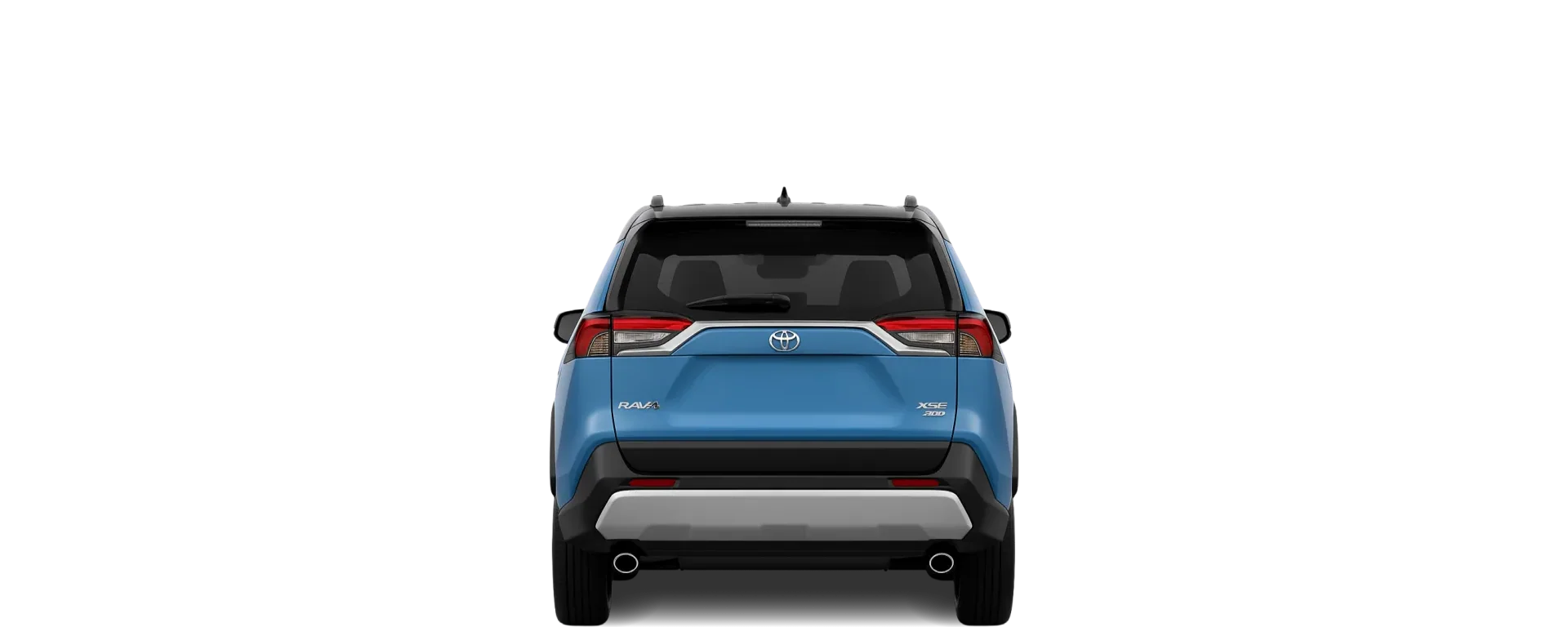
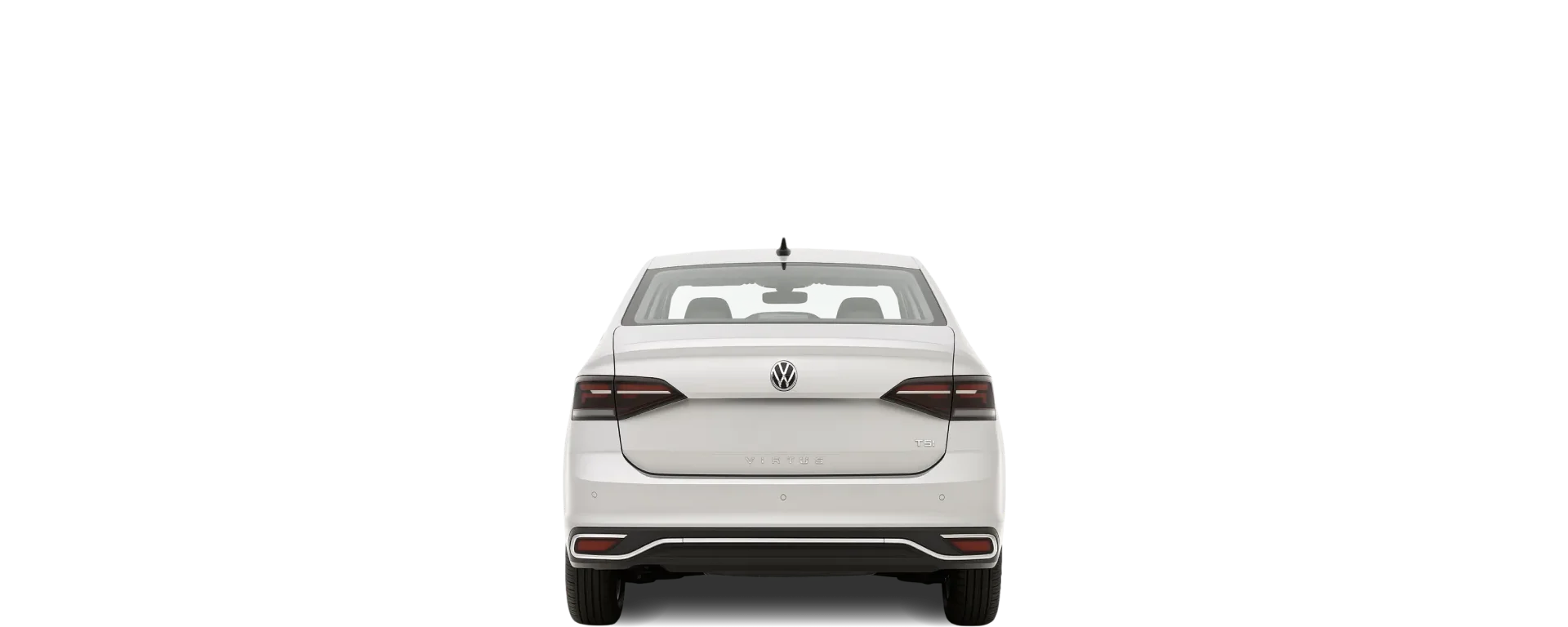
Rear view
Details
Doors, seats, weight, maneuverability
Passengers will appreciate the additional doors on the 2022 Toyota RAV4 when you're parked in tight spots, as they offer more entry options than the 4-door 2022 Volkswagen Virtus. You get the same number of seats in both models, as the 2022 Toyota RAV4 and the 2022 Volkswagen Virtus are each configured for 5 passengers. The 0.9 m turning circle difference means the 2022 Volkswagen Virtus might clear a U-turn where the 2022 Toyota RAV4 requires a bit more care. At 433 kg heavier, the 2022 Toyota RAV4 sits in a very different weight class to the 2022 Volkswagen Virtus, something that can have a noticeable impact on performance, economy, and wear on consumables.
Measurements
Doors
5 (+1)
4
Max. seats
5
5
Turning circle
11 m (+0.9)
10.1 m
Curb weight
1,533 kg (+433)
1,100 kg
How each car compares with its class average
Turning circle
11 m
0.2 m smaller turning circle than the average Crossover
10.1 m
1 m smaller turning circle than the average Sedan
Curb weight
1,533 kg
99 kg lighter than the average Crossover
1,100 kg
422 kg lighter than the average Sedan
DriveSize manoeuvrability
DriveSize manoeuvrability combines turning circle and footprint, with turning circle weighted more heavily.
A positive percentage means more manoeuvrable than the class average and a negative percentage means less manoeuvrable.
+1%
More manoeuvrable than the average Crossover
+9%
More manoeuvrable than the average Sedan
Parking
Will the 2022 Toyota RAV4 or 2022 Volkswagen Virtus fit in a standard parking space?
2022 Toyota RAV4 parking fit score
DriveSize compares the car's width and length with typical parking-space sizes by region.
Vehicle dimensions are rounded up and available side or length clearance is rounded down.
Side clearance is based on body width where available; real spaces can vary because of mirrors, walls, pillars, kerbs, bay markings, and nearby cars.
For an average USA / Canada space: body side clearance is 44.5 cm per side, and length clearance is 45 cm at each end.
Body side clearance
44.5 cm
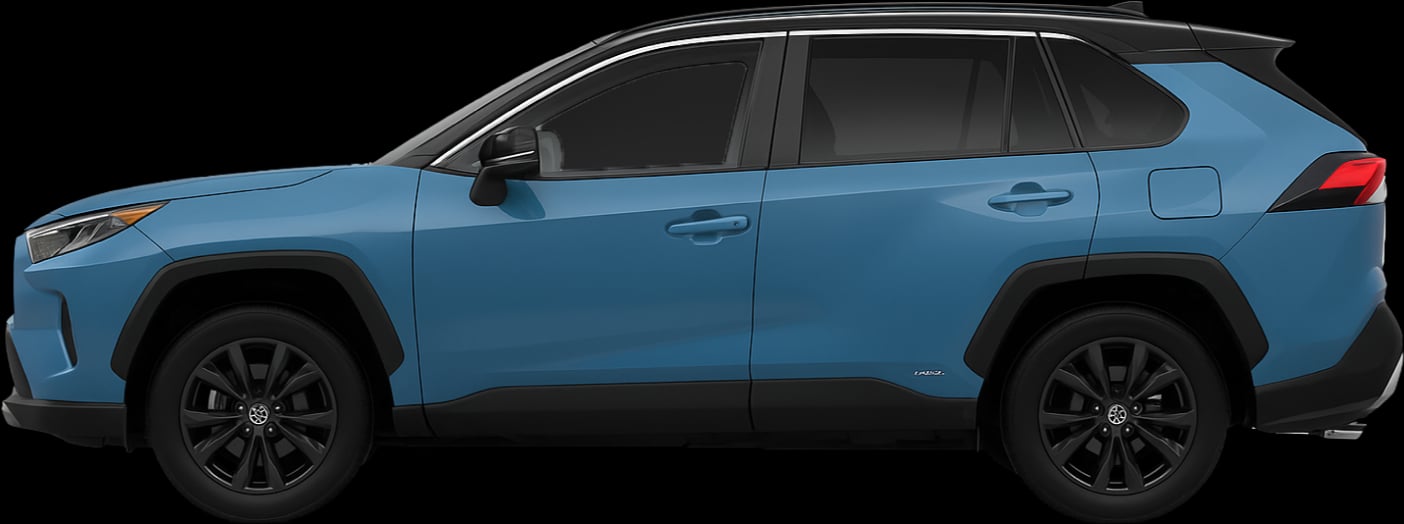
Length clearance (at each end)
45 cm
2022 Volkswagen Virtus parking fit score
DriveSize compares the car's width and length with typical parking-space sizes by region.
Vehicle dimensions are rounded up and available side or length clearance is rounded down.
Side clearance is based on body width where available; real spaces can vary because of mirrors, walls, pillars, kerbs, bay markings, and nearby cars.
For an average USA / Canada space: body side clearance is 49.5 cm per side, and length clearance is 46.5 cm at each end.
Body side clearance
49.5 cm
Length clearance (at each end)
46.5 cm
Articles featuring these cars
View all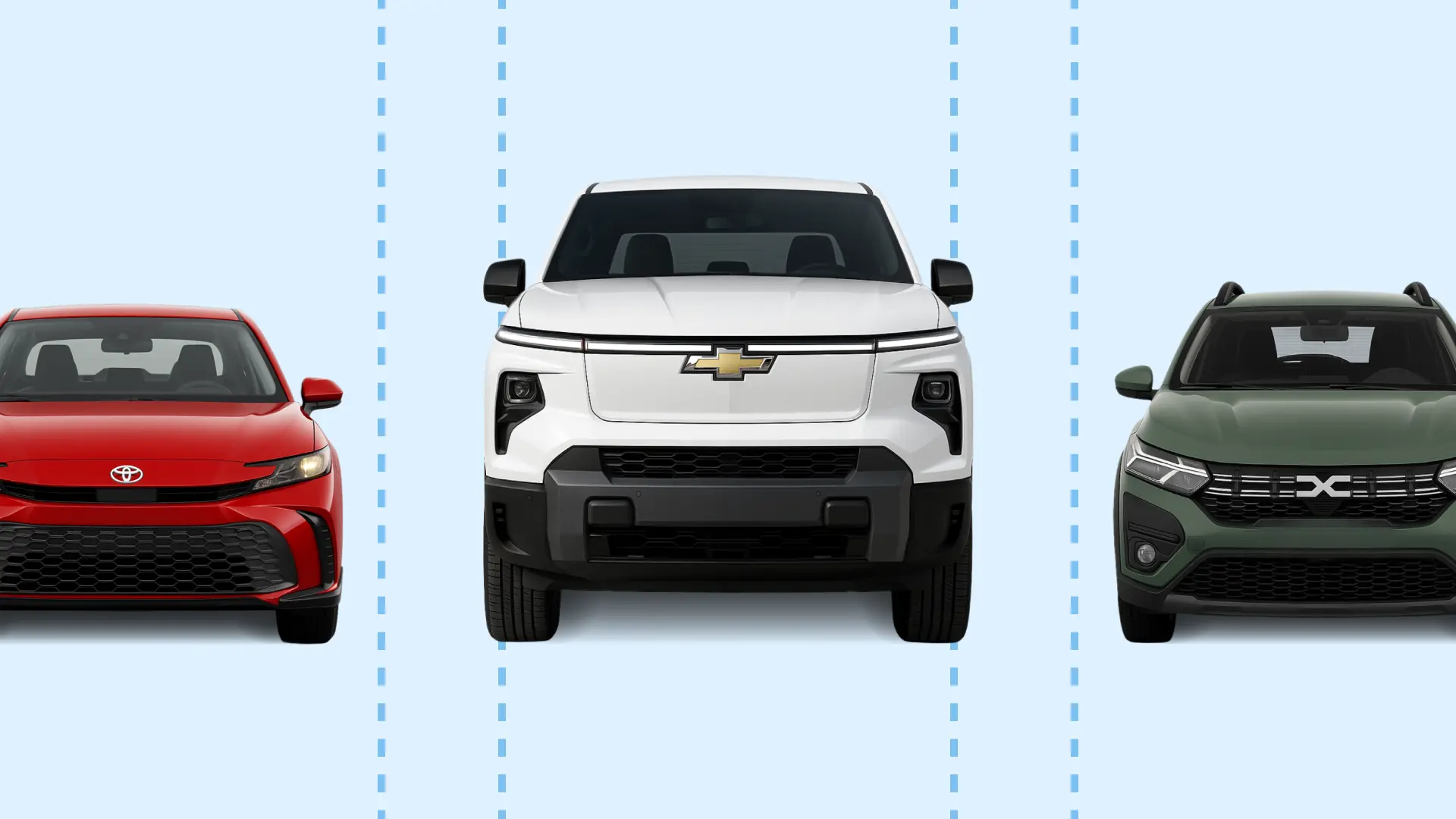
Will Your Car Fit in a Standard Parking Space? Parking Space Sizes Explained
Find out if your car will fit in a standard parking space. Compare UK, US and international parking bay sizes, and check real vehicle fit with DriveSize.
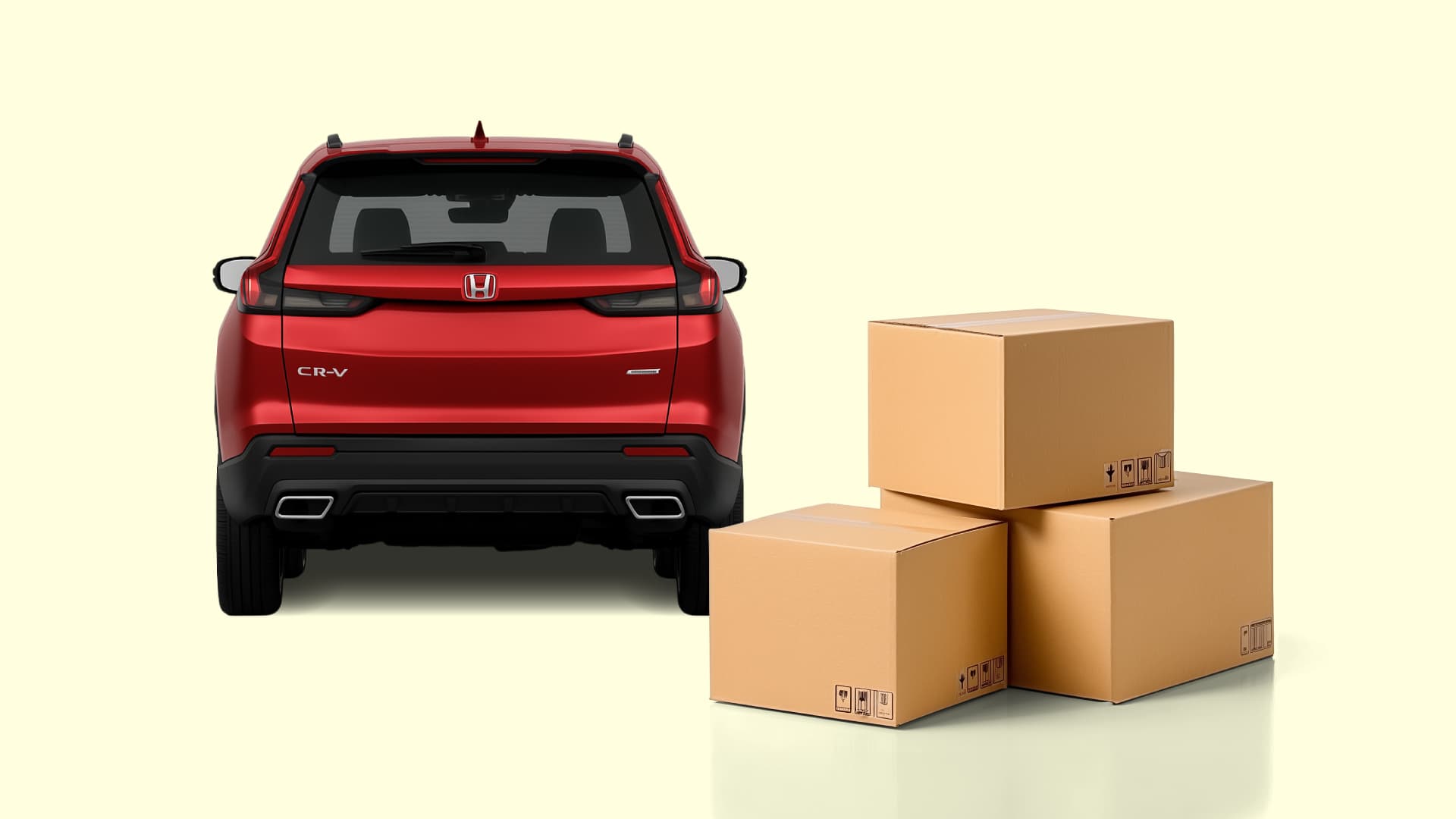
Boot Space Explained: VDA vs SAE, Seats-Up vs Seats-Down & Real-World Usability
VDA vs SAE boot space explained clearly. Seats-up vs seats-down, litres vs cu.ft, and real examples using the RAV4 & CR-V. The best guide there is.
Compact SUV Size & Boot Space Guide: RAV4 vs CR-V vs Tiguan vs Kona vs Equinox
Compare compact SUV dimensions and boot space for the RAV4, CR-V, Tiguan, Kona and Equinox.
What Is Ground Clearance? Why does it matter for SUVs, and which have the most
Clear explanation of SUV ground clearance, how much you really need, and which SUVs offer the most — using real measurements you can compare side-by-side on Drivesize.
Toyota RAV4 vs Honda CR-V: Size, Space, Boot Volume & Ground Clearance
See how the Toyota RAV4 and Honda CR-V compare on size, space, and ground clearance. Full dimensions, boot capacities, and real-world usability tested side-by-side – find out which family SUV fits your life best.
Tesla Model Y vs Toyota RAV4: Which Is Bigger and Which Fits Your Life?
We compare the Tesla Model Y and Toyota RAV4 side by side for size, space, and everyday practicality. See which SUV fits your life best — dimensions, boot space, and real-world usability included.
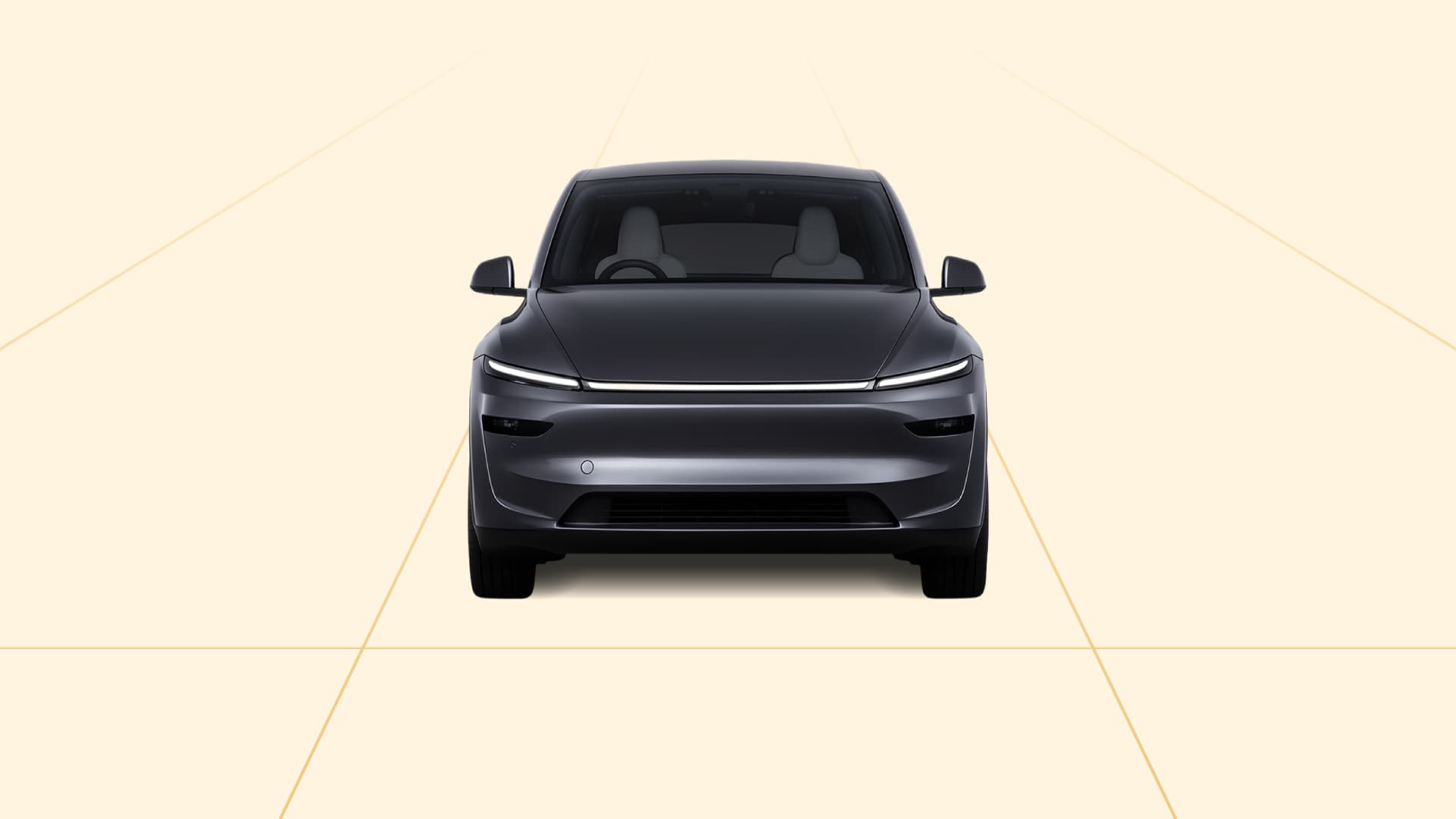
Tesla Model Y Dimensions & Boot Space: Will It Fit a UK Driveway, Garage or Parking Bay?
See how the Tesla Model Y fits UK driveways, garages and parking bays. Full dimensions, width, and boot space explained in real-world terms by Drivesize.
FAQs
Frequently asked questions
Vehicle specifications on this page are sourced from official Toyota and Volkswagen documentation. Unless the page identifies a specific trim, body style, powertrain or market version, DriveSize uses manufacturer-published specifications for the base model as its default reference. DriveSize standardises the published measurements and calculates the comparisons and derived figures shown. Figures can vary by market, model year, trim, powertrain, wheels, tyres and measurement method. How DriveSize sources and calculates these figures.