
2021 Ford Mustang Mach‑E vs 2024 Ford F‑150 SuperCrew 6.5ft bed 4x4
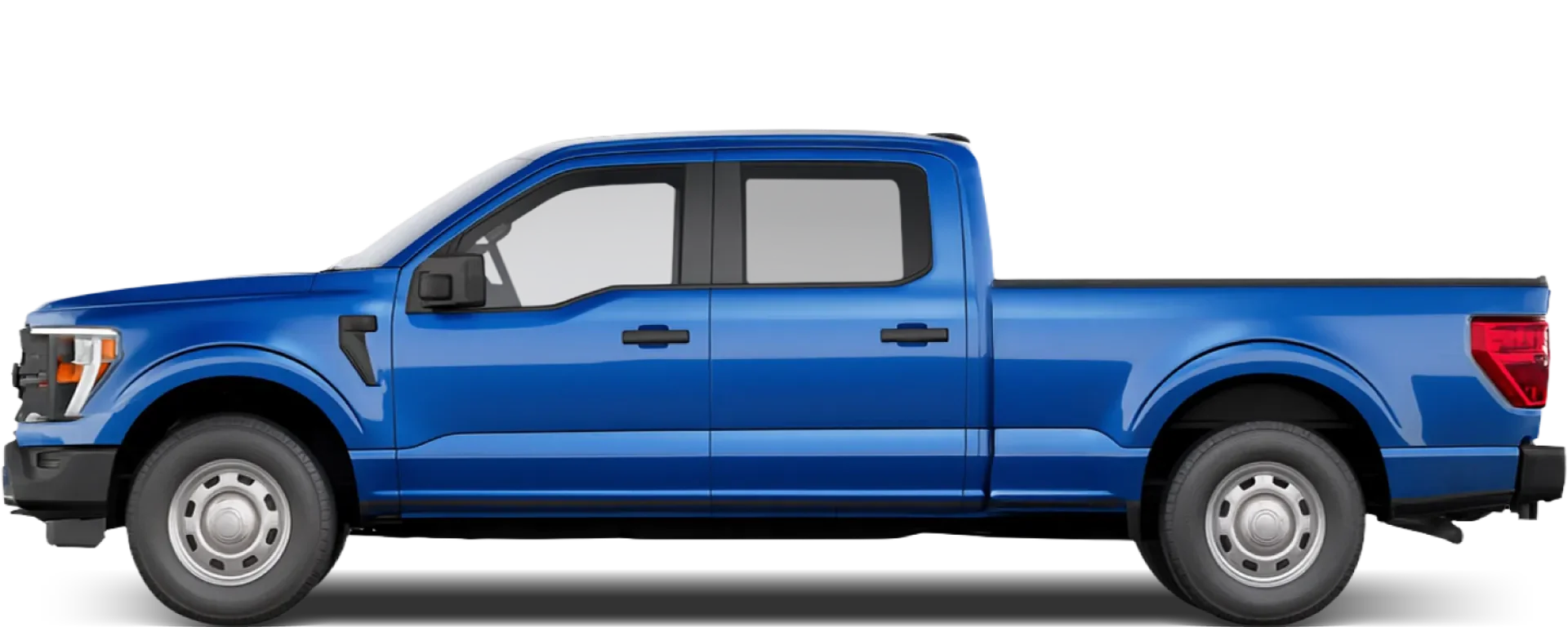
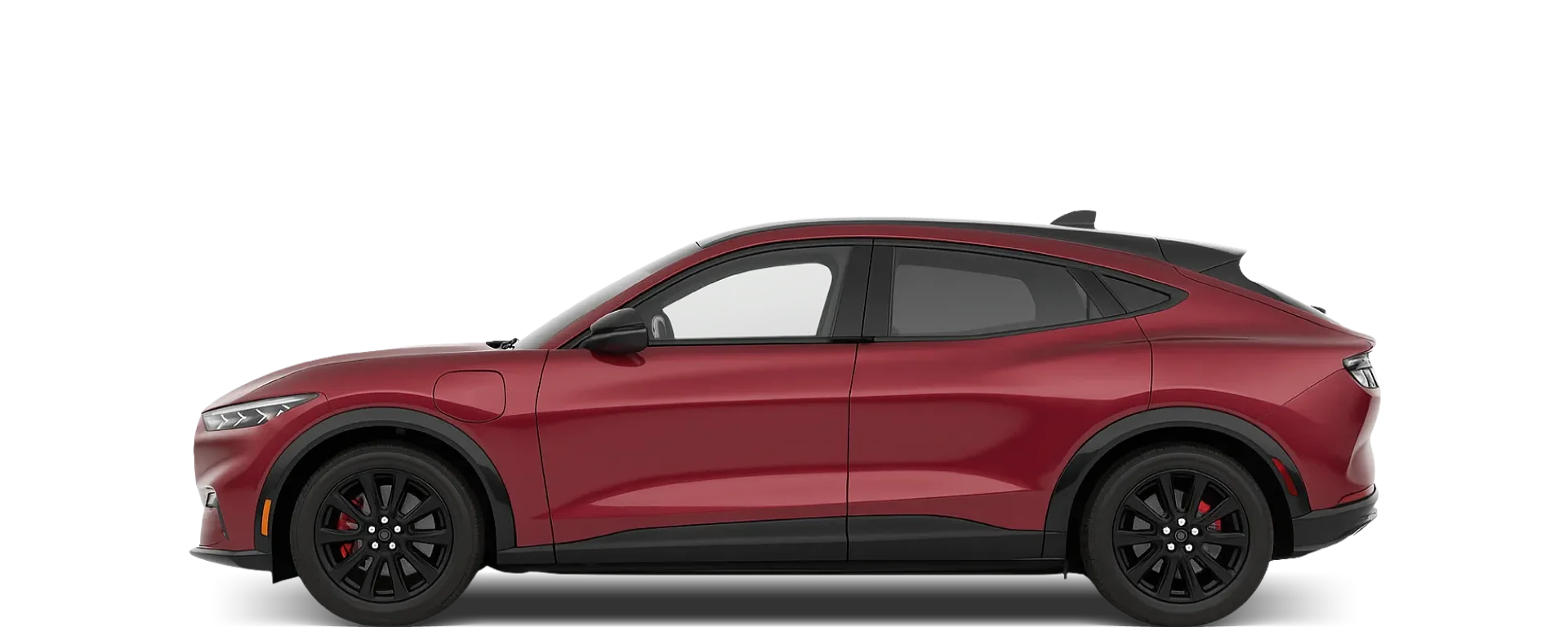
Which is bigger, the 2021 Ford Mustang Mach‑E or 2024 Ford F‑150 SuperCrew 6.5ft bed 4x4?
Key dimensions: length, width, height
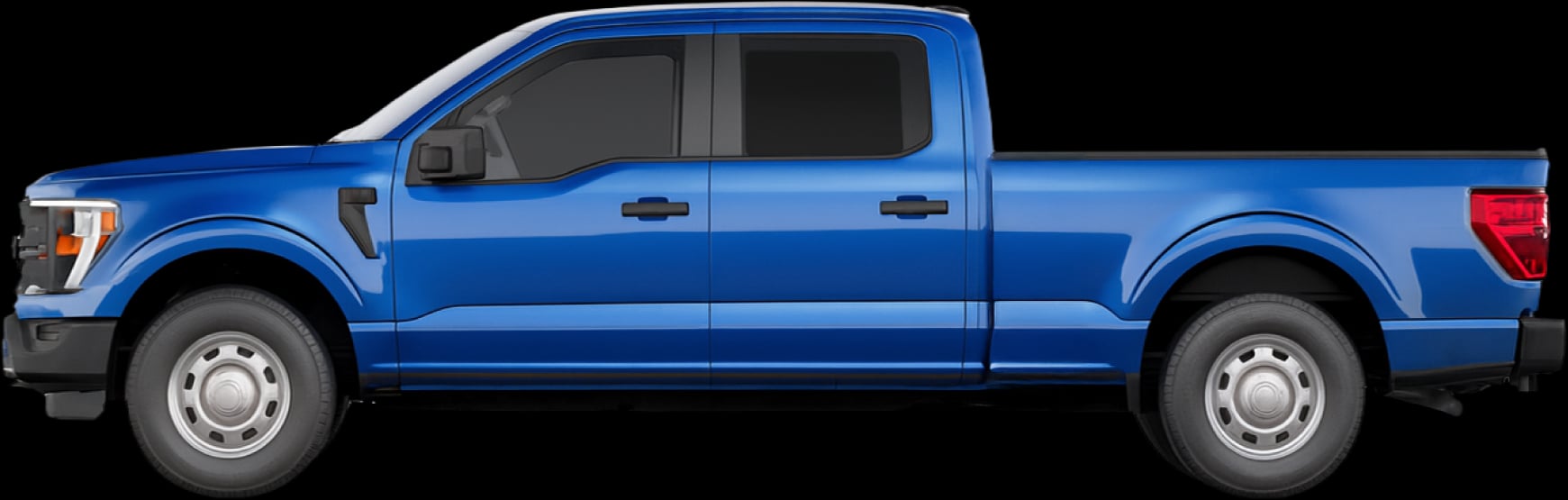
With a difference of 148.2 cm, the 2024 Ford F‑150 SuperCrew 6.5ft bed 4x4 sits in a completely different length bracket to the 2021 Ford Mustang Mach‑E. There is a moderate step up in width; the 2024 Ford F‑150 SuperCrew 6.5ft bed 4x4 extends 14.8 cm further than the 2021 Ford Mustang Mach‑E. Height heavily favours the 2024 Ford F‑150 SuperCrew 6.5ft bed 4x4, which measures 34.4 cm taller than the 2021 Ford Mustang Mach‑E. If you live in a rural area, the 2024 Ford F‑150 SuperCrew 6.5ft bed 4x4's 10.1 cm ground clearance lead over the 2021 Ford Mustang Mach‑E is a major plus. The 2024 Ford F‑150 SuperCrew 6.5ft bed 4x4 and 2021 Ford Mustang Mach‑E exist at opposite ends of the spectrum, separated by a huge 100.9 cm wheelbase gap.
Measurements
Length
471.3 cm
619.5 cm (+148.2)
Height
162.5 cm
196.9 cm (+34.4)
Body width
188.1 cm
202.9 cm (+14.8)
Width including mirrors
209.7 cm
243.1 cm (+33.4)
Ground clearance
14.5 cm
24.6 cm (+10.1)
Wheelbase
298.4 cm
399.3 cm (+100.9)
Footprint
DriveSize footprint is overall length multiplied by body width.
8.9 m²
12.6 m² (+3.7)
How each car compares with its class average
Length
471.3 cm
18.7 cm longer than the average Crossover
619.5 cm
76.8 cm longer than the average Pickup
Height
162.5 cm
0.3 cm shorter than the average Crossover
196.9 cm
10.1 cm taller than the average Pickup
Body width
188.1 cm
3.2 cm wider than the average Crossover
202.9 cm
8.5 cm wider than the average Pickup
Width including mirrors
209.7 cm
3.3 cm wider than the average Crossover
243.1 cm
20.2 cm wider than the average Pickup
Ground clearance
14.5 cm
3.6 cm less ground clearance than the average Crossover
24.6 cm
1.8 cm more ground clearance than the average Pickup
Wheelbase
298.4 cm
26 cm longer wheelbase than the average Crossover
399.3 cm
68.3 cm longer wheelbase than the average Pickup
Footprint
DriveSize footprint is overall length multiplied by body width.
8.9 m²
0.5 m² larger footprint than the average Crossover
12.6 m²
2 m² larger footprint than the average Pickup
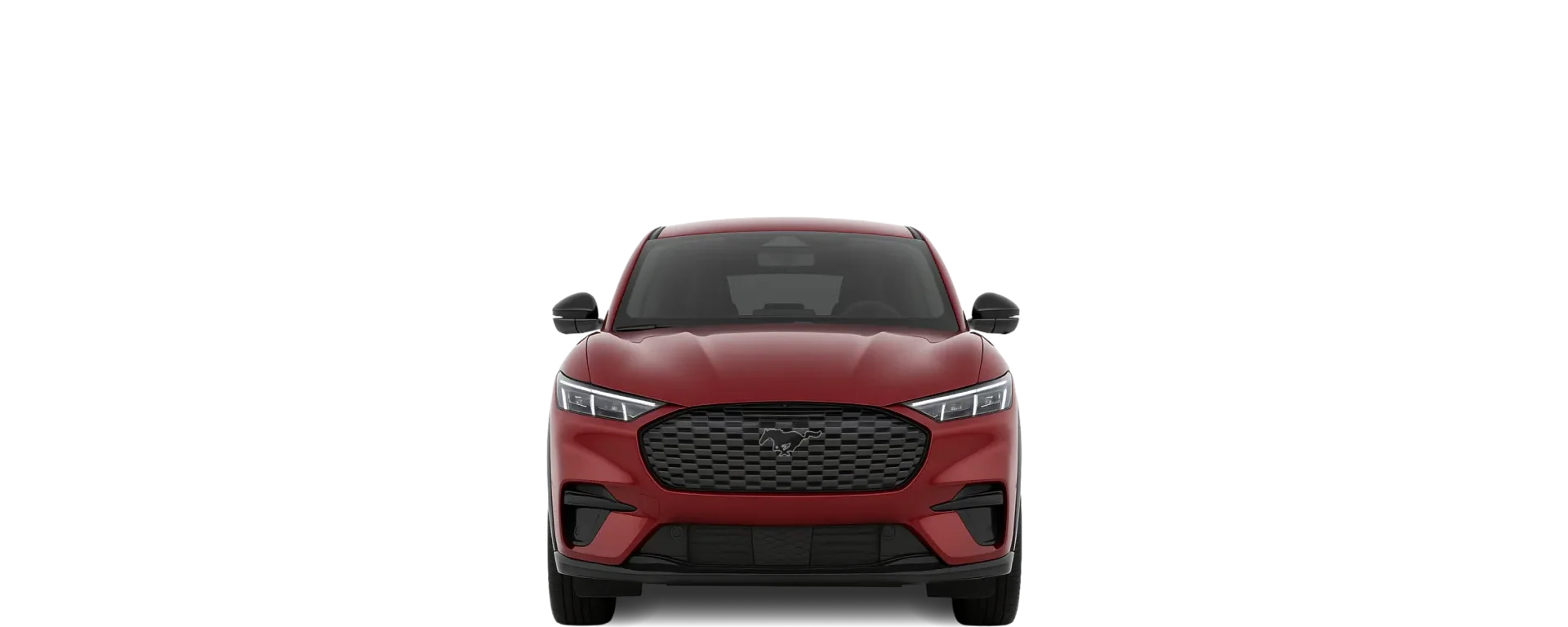
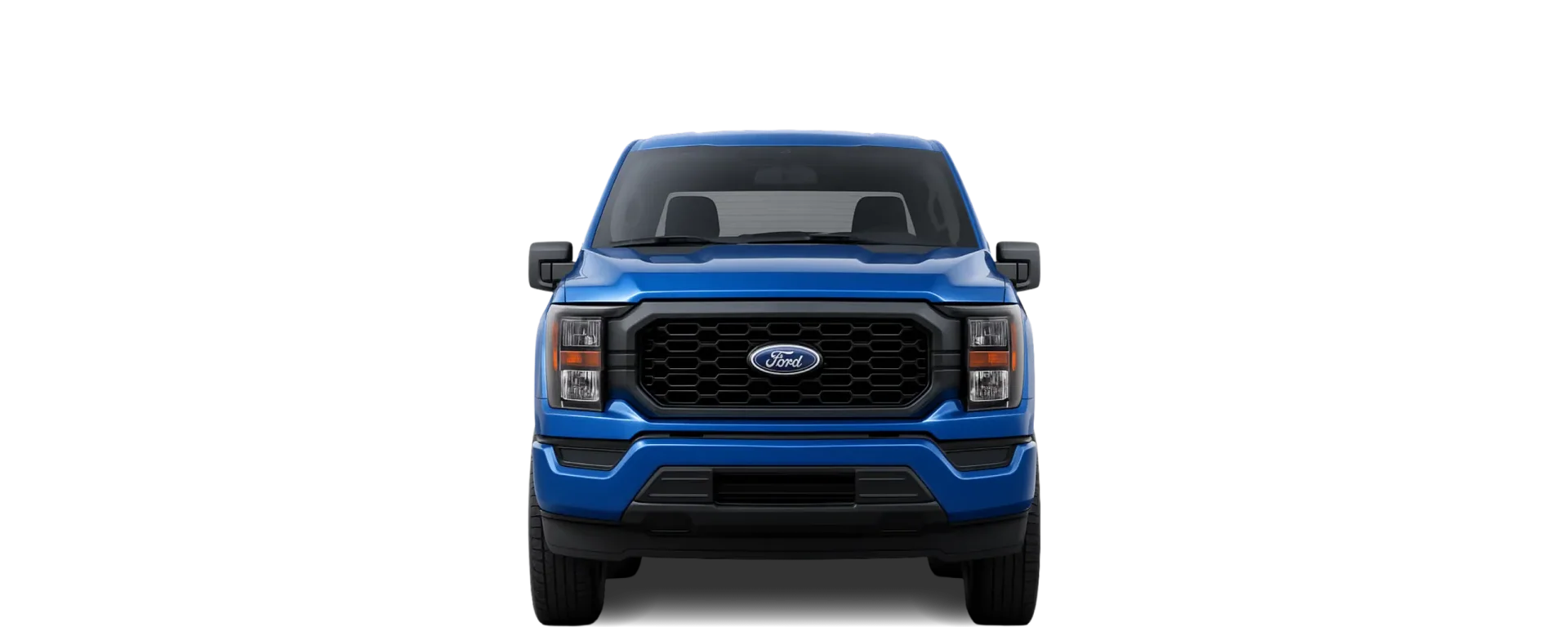
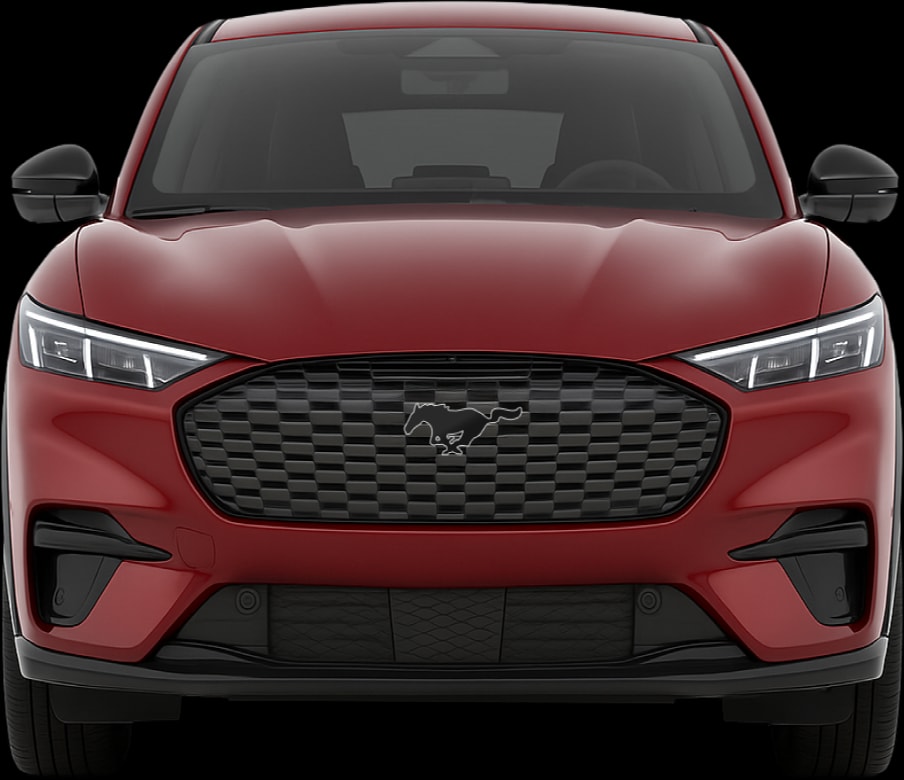
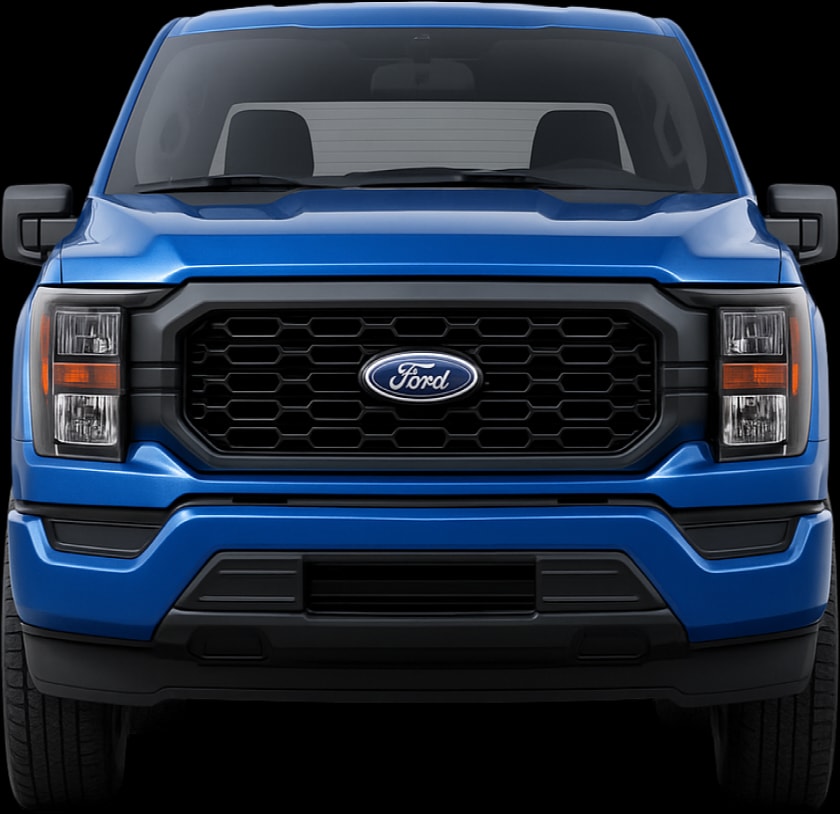
Front view
Cargo Capacity: which has more space?
Standard and largest cargo capacity
Both stats favour the 2024 Ford F‑150 SuperCrew 6.5ft bed 4x4 for cargo capacity, which has a massive 942 L standard storage lead and a noticeable 75 L (SAE) win for total space with its seats down.
Measurements
Standard cargo capacity (VDA)
The standard cargo capacity using VDA, the method commonly used globally.
This is the manufacturer's normal published figure; it does not imply a particular seat configuration.
402 L
N/A
Largest cargo capacity (VDA)
The largest cargo capacity using VDA, the method commonly used globally.
If only one VDA figure is published, the standard and largest values are the same.
1,420 L
N/A
Standard cargo capacity (SAE)
The standard cargo capacity using SAE, the method commonly used in the US.
This is the manufacturer's normal published figure; it does not imply a particular seat configuration.
822 L
1,764 L (+942)
Largest cargo capacity (SAE)
The largest cargo capacity using SAE, the method commonly used in the US.
If only one SAE figure is published, the standard and largest values are the same.
1,689 L
1,764 L (+75)
Frunk capacity
81 L
N/A
Cargo space vs length
This DriveSize metric divides blended cargo volume by overall vehicle length.
Blended cargo uses 65% of the standard figure and 35% of the largest figure, using VDA where available and SAE otherwise.
160.9 L per m
284.7 L per m (+123.8)
Cargo space vs footprint
This DriveSize metric divides blended cargo volume by footprint.
Blended cargo uses 65% of the standard figure and 35% of the largest figure, using VDA where available and SAE otherwise.
It helps show how efficiently a car turns exterior area into usable cargo space.
85.5 L per m²
140.3 L per m² (+54.8)
How each car compares with its class average
Standard cargo capacity (VDA)
The standard cargo capacity using VDA, the method commonly used globally.
This is the manufacturer's normal published figure; it does not imply a particular seat configuration.
402 L
43 L less cargo volume than the average Crossover
N/A
Largest cargo capacity (VDA)
The largest cargo capacity using VDA, the method commonly used globally.
If only one VDA figure is published, the standard and largest values are the same.
1,420 L
88 L less cargo volume than the average Crossover
N/A
Standard cargo capacity (SAE)
The standard cargo capacity using SAE, the method commonly used in the US.
This is the manufacturer's normal published figure; it does not imply a particular seat configuration.
822 L
83 L more cargo volume than the average Crossover
1,764 L
327 L more cargo volume than the average Pickup
Largest cargo capacity (SAE)
The largest cargo capacity using SAE, the method commonly used in the US.
If only one SAE figure is published, the standard and largest values are the same.
1,689 L
182 L less cargo volume than the average Crossover
1,764 L
237 L more cargo volume than the average Pickup
DriveSize space efficiency
DriveSize space efficiency compares blended cargo volume per square meter of footprint with the class average.
Blended cargo uses 65% of the standard figure and 35% of the largest figure within the selected cargo measurement method.
VDA values compare with VDA class averages, and SAE values compare with SAE class averages. Positive percentages indicate more space efficiency and negative percentages indicate less.
-13%
VDA: Less space efficient than the average Crossover
+14%
SAE: More space efficient than the average Pickup
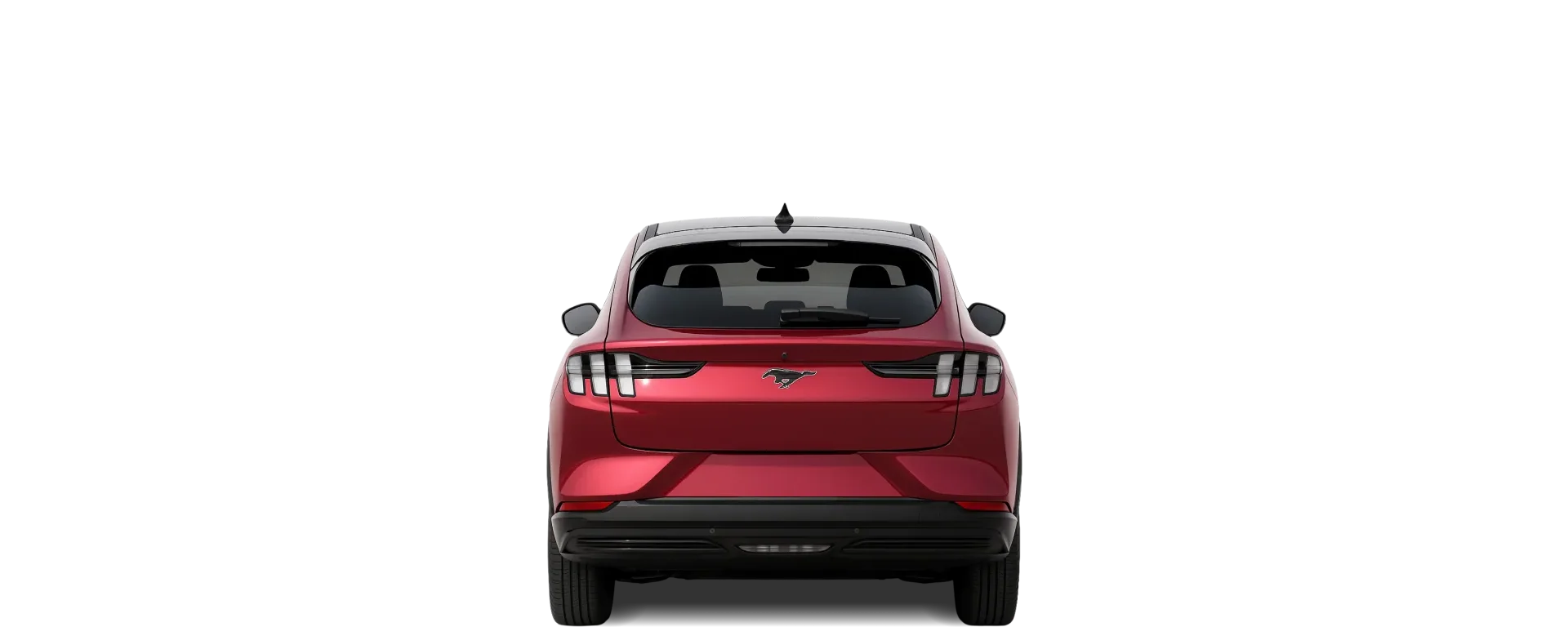
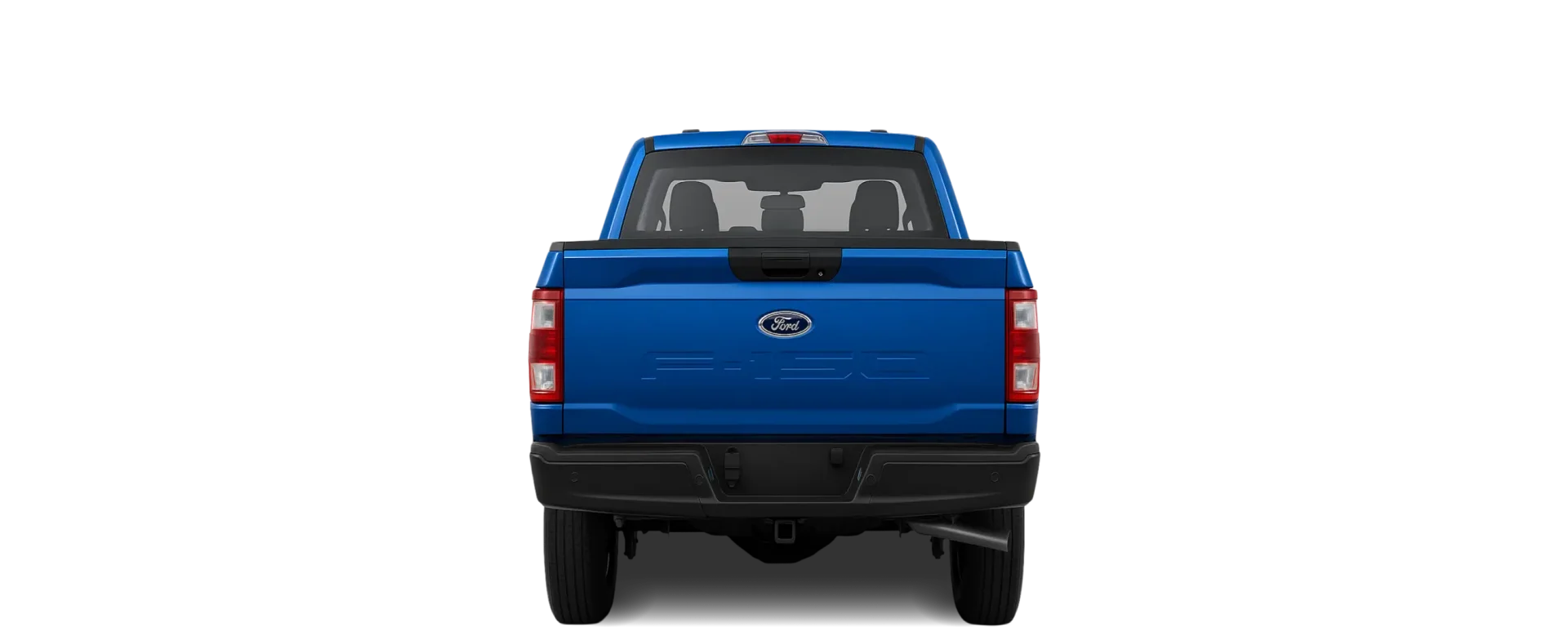
Rear view
Details
Doors, seats, weight, maneuverability
With 5 doors, the 2021 Ford Mustang Mach‑E offers more points of entry than the 2024 Ford F‑150 SuperCrew 6.5ft bed 4x4, which typically makes loading passengers or gear into the back easier. Thanks to its extra seat, the 2024 Ford F‑150 SuperCrew 6.5ft bed 4x4 is able to carry one additional passenger over the 2021 Ford Mustang Mach‑E. The 2021 Ford Mustang Mach‑E is in a different league of agility, requiring a massive 4 m less space to turn than the 2024 Ford F‑150 SuperCrew 6.5ft bed 4x4. The 354 kg weight gap will have a major impact on fuel consumption and overall driving dynamics.
Measurements
Doors
5 (+1)
4
Max. seats
5
6 (+1)
Turning circle
11.6 m
15.6 m (+4)
Curb weight
1,969 kg
2,323 kg (+354)
How each car compares with its class average
Turning circle
11.6 m
0.4 m larger turning circle than the average Crossover
15.6 m
2.5 m larger turning circle than the average Pickup
Curb weight
1,969 kg
337 kg heavier than the average Crossover
2,323 kg
72 kg heavier than the average Pickup
DriveSize manoeuvrability
DriveSize manoeuvrability combines turning circle and footprint, with turning circle weighted more heavily.
A positive percentage means more manoeuvrable than the class average and a negative percentage means less manoeuvrable.
-4%
Less manoeuvrable than the average Crossover
-17%
Less manoeuvrable than the average Pickup
Parking
Will the 2021 Ford Mustang Mach‑E or 2024 Ford F‑150 SuperCrew 6.5ft bed 4x4 fit in a standard parking space?
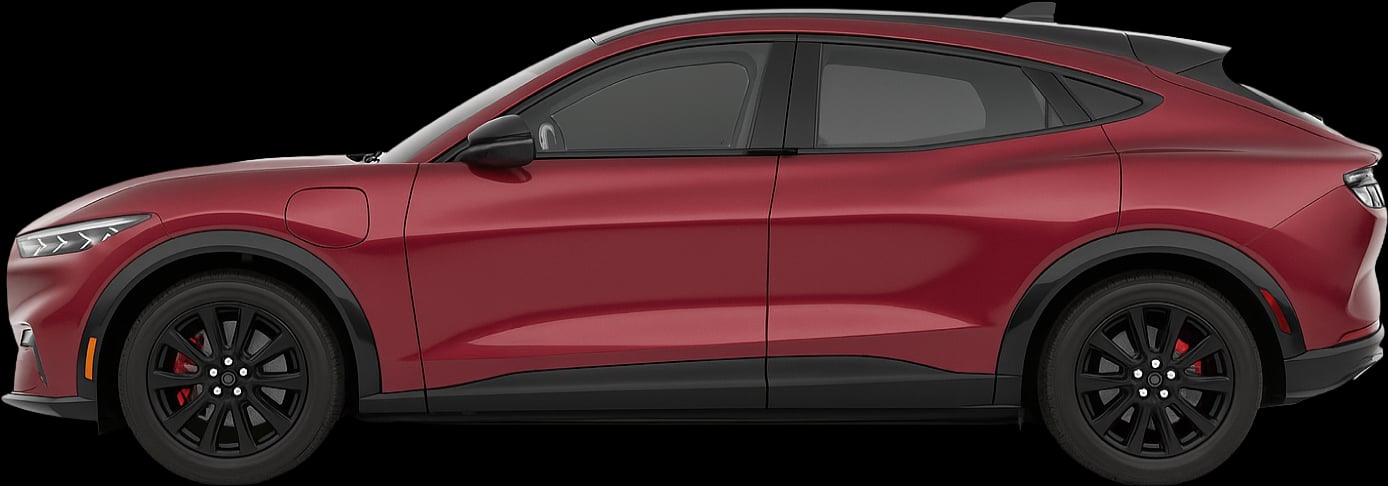
2021 Ford Mustang Mach‑E parking fit score
DriveSize compares the car's width and length with typical parking-space sizes by region.
Vehicle dimensions are rounded up and available side or length clearance is rounded down.
Side clearance is based on body width where available; real spaces can vary because of mirrors, walls, pillars, kerbs, bay markings, and nearby cars.
For an average USA / Canada space: body side clearance is 43 cm per side, and length clearance is 39 cm at each end.
Body side clearance
43 cm
Length clearance (at each end)
39 cm
2024 Ford F‑150 SuperCrew 6.5ft bed 4x4 parking fit score
DriveSize compares the car's width and length with typical parking-space sizes by region.
Vehicle dimensions are rounded up and available side or length clearance is rounded down.
Side clearance is based on body width where available; real spaces can vary because of mirrors, walls, pillars, kerbs, bay markings, and nearby cars.
For an average USA / Canada space: exceeds the bay's length by 70 cm.
Body side clearance
36 cm
Length over bay
70 cm
Overall length. Primary constraint.
Articles featuring these cars
View all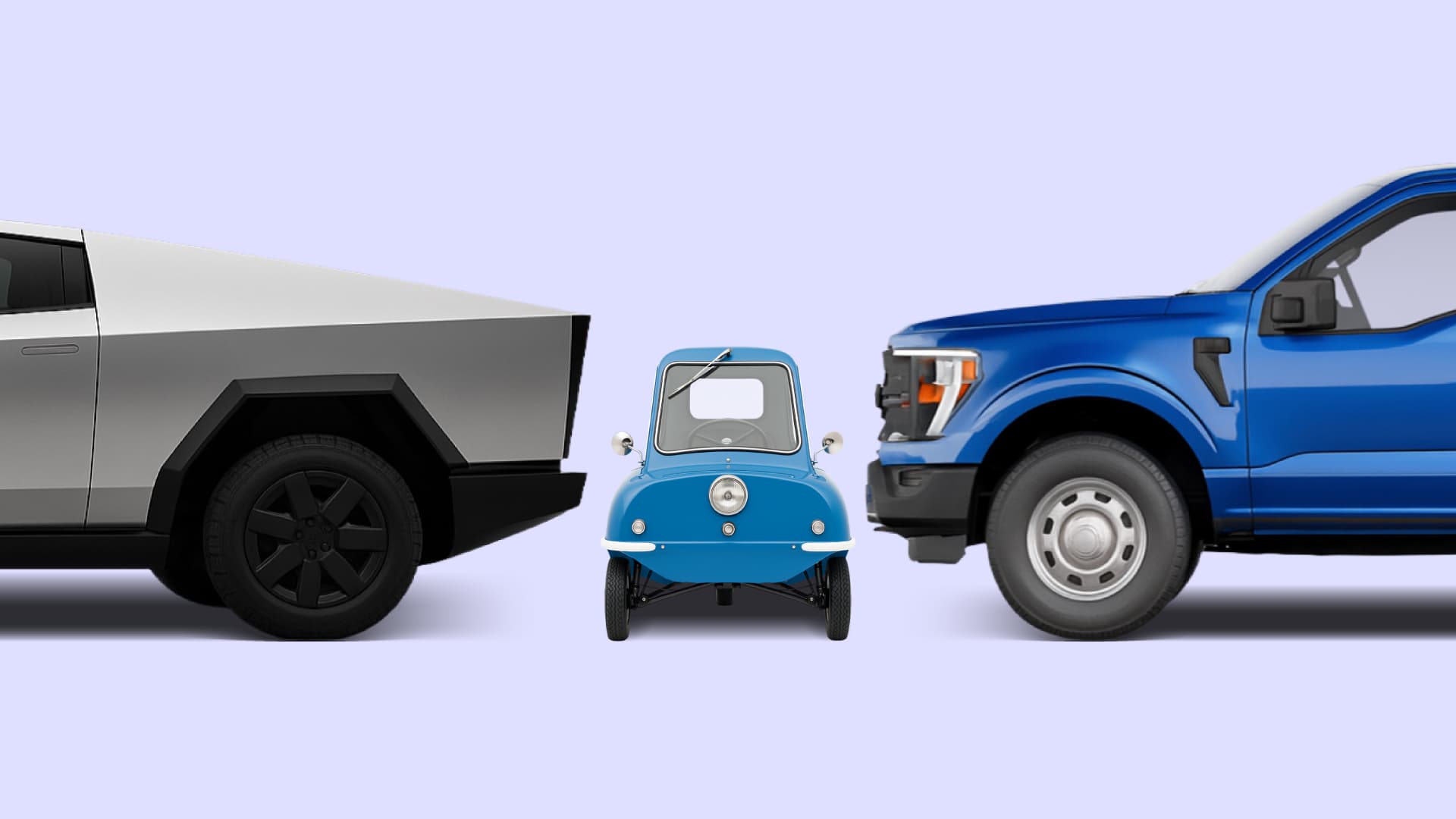
Smallest Car vs the Giants: Peel P50 vs Cybertruck, F-150, Land Cruiser, Palisade & Wrangler
How tiny is the Peel P50 really? See it compared with giants like the Cybertruck, F-150, Land Cruiser, Palisade and Wrangler using real dimensions.
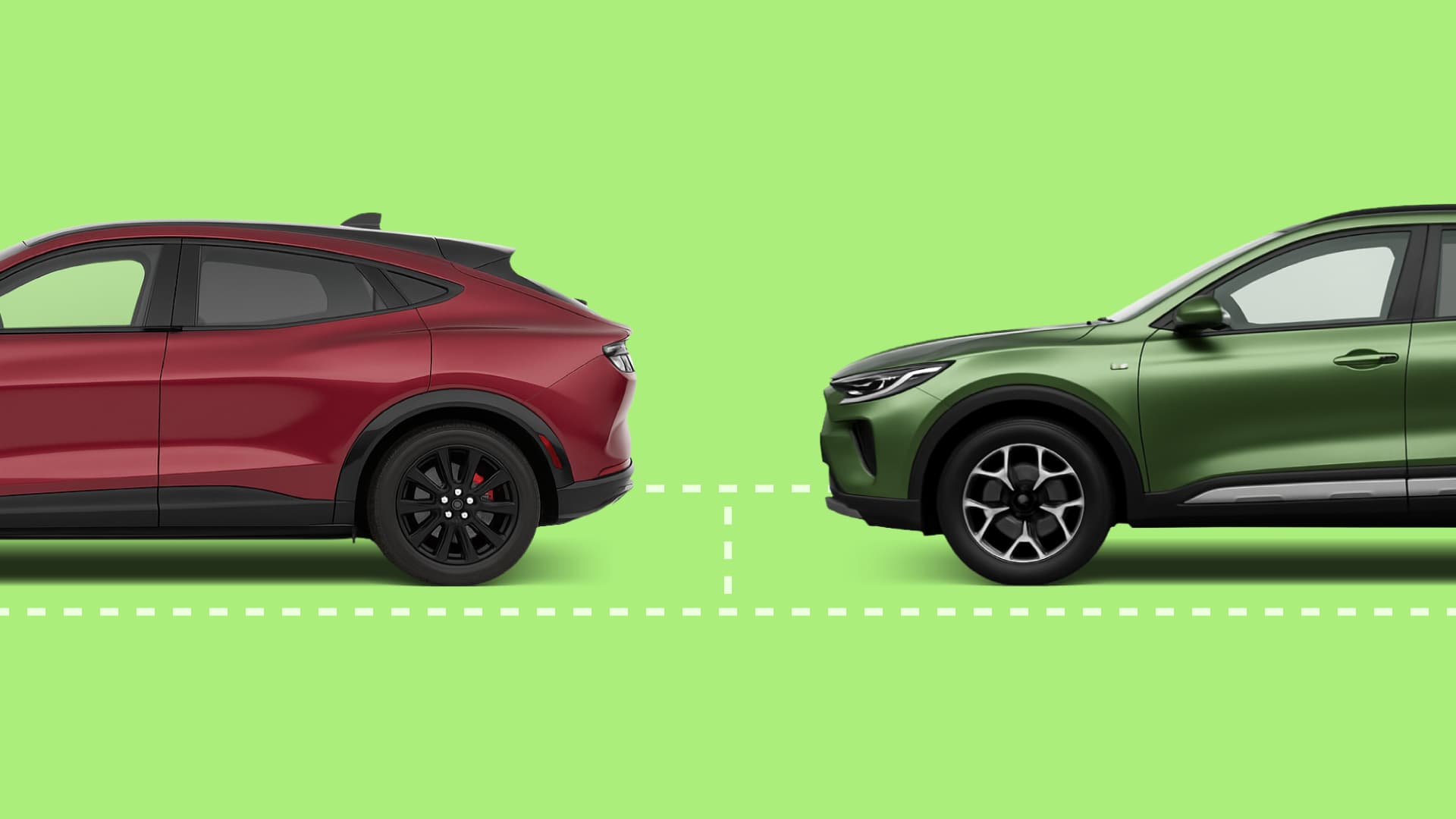
Are modern SUVs too big for UK parking bays? We measured popular models (and what still fits)
SUV sizes keep growing — we compared six popular models against a standard UK parking bay using each vehicle’s width including mirrors and overall length.
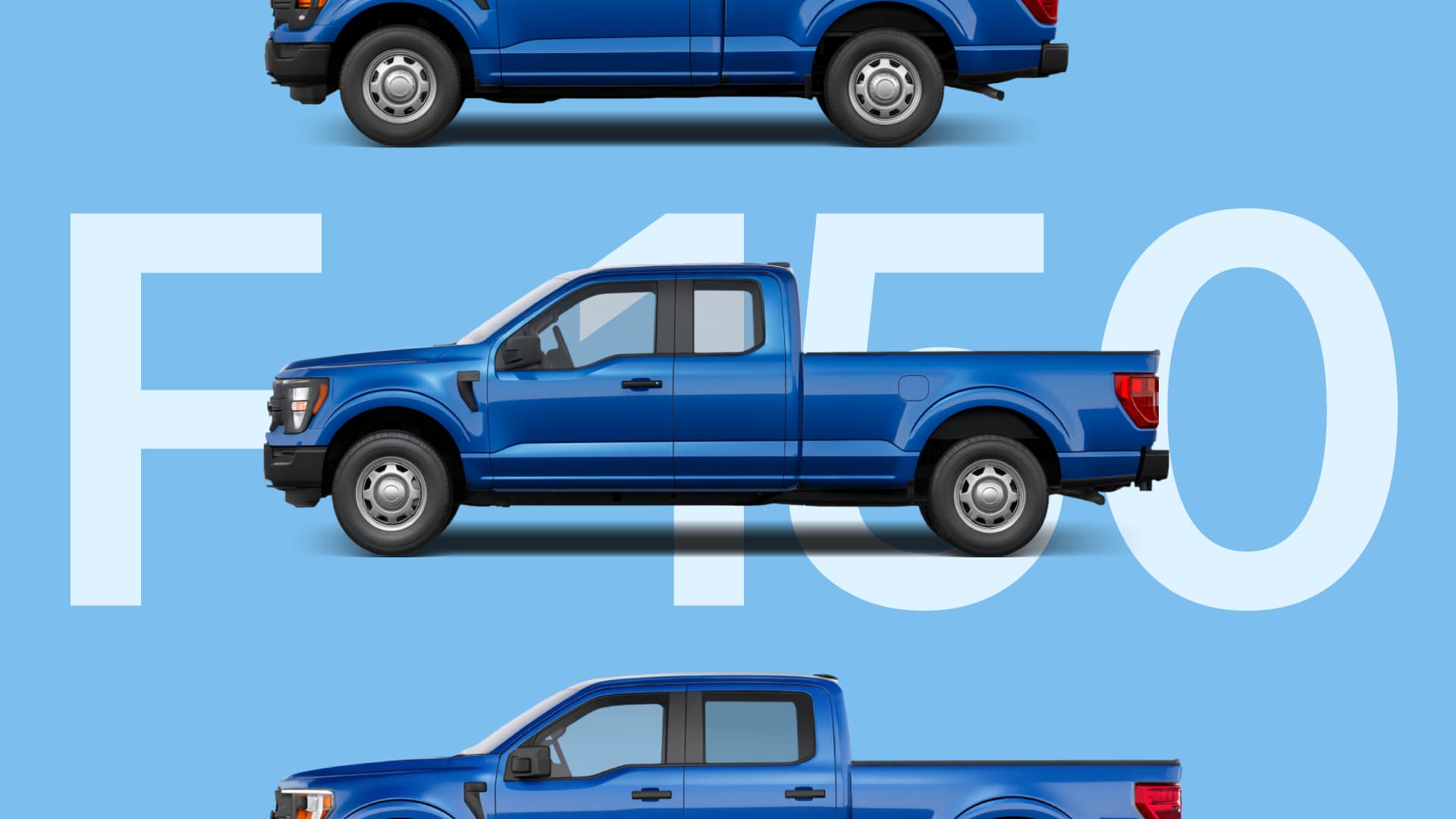
Ford F-150 Cab & Bed Sizes Explained: Regular Cab vs SuperCab vs SuperCrew
Understand Ford F-150 SuperCrew, SuperCab and Regular Cab sizes, bed lengths, passenger space, footprint and turning circle.
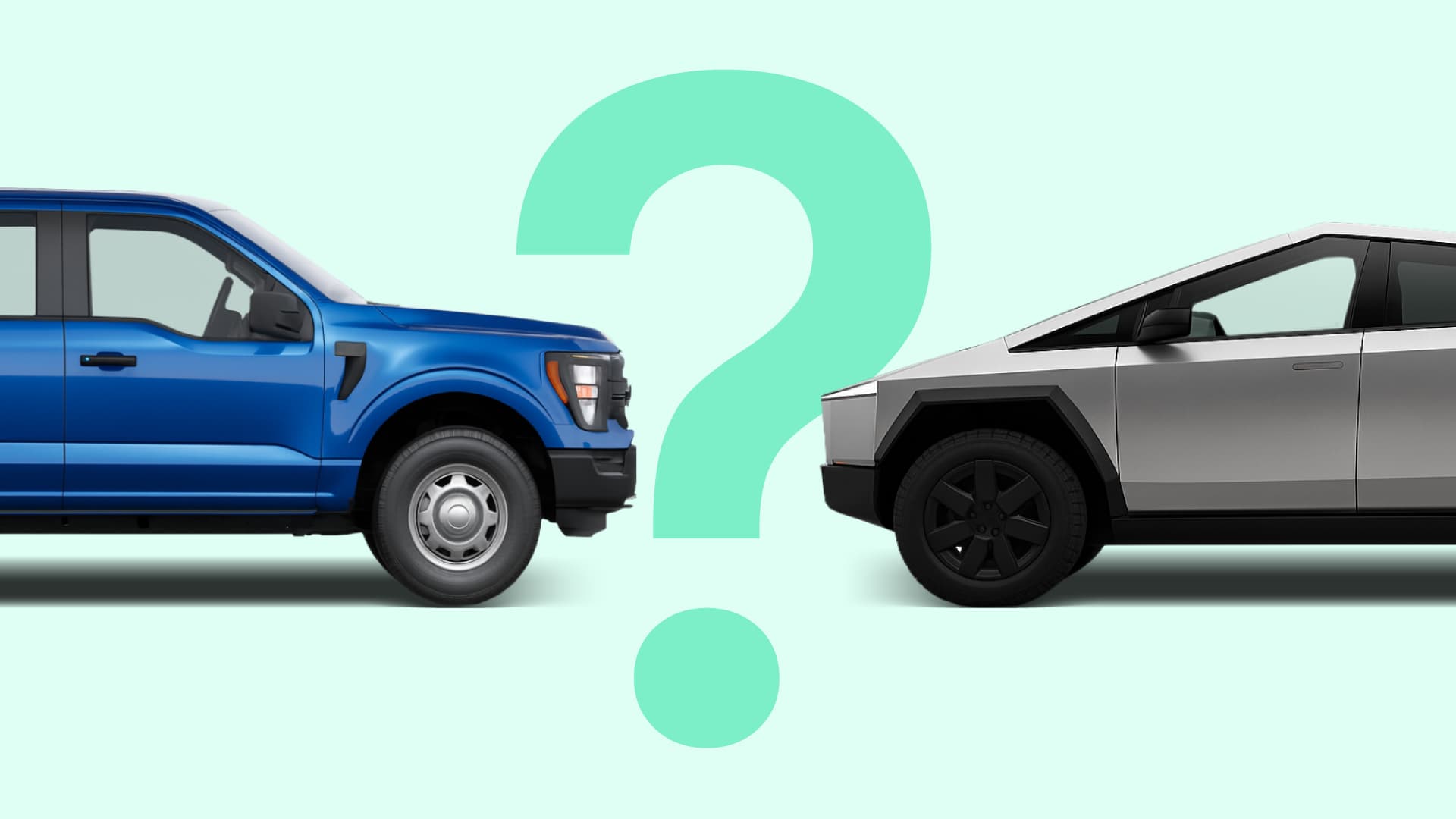
Ford F-150 vs Tesla Cybertruck: Dimensions, Bed Sizes, Width & Parking
We compare the Ford F-150 and Tesla Cybertruck on size, width, bed length, and parking practicality. See which pickup fits your driveway best — with real dimensions, wheelbase, and turning circle data from Drivesize.
FAQs
Frequently asked questions
Vehicle specifications on this page are sourced from official Ford documentation. Unless the page identifies a specific trim, body style, powertrain or market version, DriveSize uses manufacturer-published specifications for the base model as its default reference. DriveSize standardises the published measurements and calculates the comparisons and derived figures shown. Figures can vary by market, model year, trim, powertrain, wheels, tyres and measurement method. How DriveSize sources and calculates these figures.